Kirjojen hintavertailu – 12 903 725 kirjaa ja 27 kauppaa

Kirjailija

John Fien

Kirjat ja teokset yhdessä paikassa: 4 kirjaa, julkaisuja vuosilta 2020–2022, suosituimpiin kuuluu Ethical Cities. Vertaile teosten hintoja ja tarkista saatavuus suomalaisista kirjakaupoista.

4 kirjaa

Kirjojen julkaisuvuodet: 2020–2022.

Design for Fragility

Design for Fragility

Esther Charlesworth; John Fien

TAYLOR FRANCIS LTD
2022
nidottu
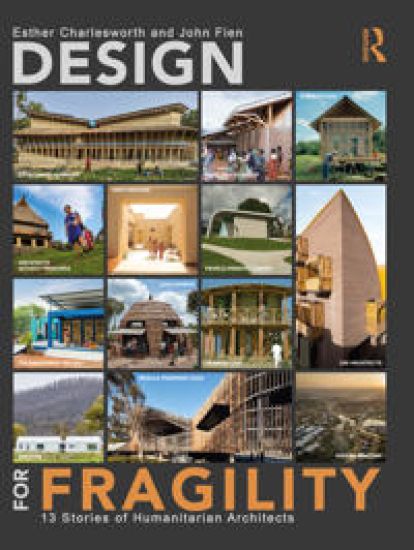
The demand is now urgent for architects to respond to the design and planning challenges of rebuilding cities and landscapes being destroyed by civil conflict, (un)natural disasters, political instability, and poverty. The number of people fleeing their homes and being displaced by such conflict now totals almost 100 million. Despite the massive human and physical costs of these crises, the number of architects, planners, and landscape architects equipped to work with disaster and development professionals in rebuilding in the aftermath of conflict, floods, fires, earthquakes, typhoons, and tsunamis remains chronically low. Design for Fragility expands the nascent, but rapidly growing field of humanitarian architecture by exploring 13 design responses to such conflict and displacement across 11 countries, including Australia, Bangladesh, Fiji, India, Iran, Pakistan, and the USA. Linked to this displacement is the systemic poverty that often lingers from previous colonial territories and eras, in which many of the featured projects in the book are located. This book follows Charlesworth’s Humanitarian Architecture: 15 Stories of Architects Working After Disasters (Routledge 2014), which analysed the role for architects in exercising ‘spatial agency’ while designing shelter and settlement projects for communities after conflict and disaster. Since that time, the humanitarian architecture movement has expanded globally with the prominence of design agencies including the MASS Design Group and Architecture Sans Frontières (ASF) International. Design for Fragility analyses this role of spatial agency in architecture by addressing diverse conditions of fragility across 13 built projects – from refugee housing in Uganda and an orphanage for teenage girls in Iran to a residential centre in Northern Australia for people with acquired brain injury. Each of the projects profiled in this book explore: The experiences and perceptions of fragility – or precarity – that provided a design challenge and directed the particular spatial response. The specific typology of the project, whether that be a housing, health, children’s, or a First Nations project. The personal values that influenced the architects to work on humanitarian/community projects and how consultation occurred with diverse and often contested project stakeholders. The experiences of the design team as well as project managers, occupants, and donors of the built project, exploring what they deemed successful about the project, and what, if any, were its limitations. Beautifully designed with over 150 illustrations, this practical and inspiring book is for architects, landscape architects, design educators, humanitarian and development aid agencies that are involved, or seeking to be part, of future disaster mitigation and reconstruction strategies and projects, globally.
Design for Fragility

Design for Fragility

Esther Charlesworth; John Fien

TAYLOR FRANCIS LTD
2022
sidottu
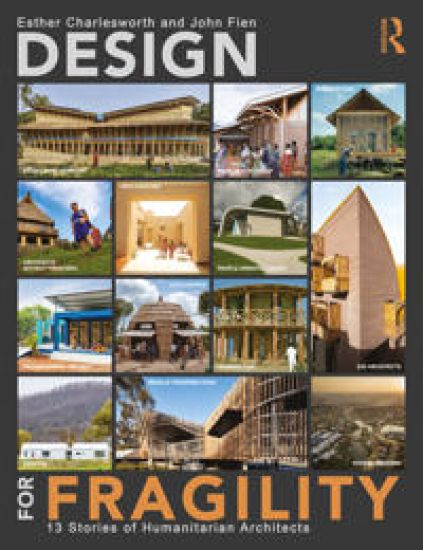
The demand is now urgent for architects to respond to the design and planning challenges of rebuilding cities and landscapes being destroyed by civil conflict, (un)natural disasters, political instability, and poverty. The number of people fleeing their homes and being displaced by such conflict now totals almost 100 million. Despite the massive human and physical costs of these crises, the number of architects, planners, and landscape architects equipped to work with disaster and development professionals in rebuilding in the aftermath of conflict, floods, fires, earthquakes, typhoons, and tsunamis remains chronically low. Design for Fragility expands the nascent, but rapidly growing field of humanitarian architecture by exploring 13 design responses to such conflict and displacement across 11 countries, including Australia, Bangladesh, Fiji, India, Iran, Pakistan, and the USA. Linked to this displacement is the systemic poverty that often lingers from previous colonial territories and eras, in which many of the featured projects in the book are located. This book follows Charlesworth’s Humanitarian Architecture: 15 Stories of Architects Working After Disasters (Routledge 2014), which analysed the role for architects in exercising ‘spatial agency’ while designing shelter and settlement projects for communities after conflict and disaster. Since that time, the humanitarian architecture movement has expanded globally with the prominence of design agencies including the MASS Design Group and Architecture Sans Frontières (ASF) International. Design for Fragility analyses this role of spatial agency in architecture by addressing diverse conditions of fragility across 13 built projects – from refugee housing in Uganda and an orphanage for teenage girls in Iran to a residential centre in Northern Australia for people with acquired brain injury. Each of the projects profiled in this book explore: The experiences and perceptions of fragility – or precarity – that provided a design challenge and directed the particular spatial response. The specific typology of the project, whether that be a housing, health, children’s, or a First Nations project. The personal values that influenced the architects to work on humanitarian/community projects and how consultation occurred with diverse and often contested project stakeholders. The experiences of the design team as well as project managers, occupants, and donors of the built project, exploring what they deemed successful about the project, and what, if any, were its limitations. Beautifully designed with over 150 illustrations, this practical and inspiring book is for architects, landscape architects, design educators, humanitarian and development aid agencies that are involved, or seeking to be part, of future disaster mitigation and reconstruction strategies and projects, globally.
Ethical Cities

Ethical Cities

Brendan F.D. Barrett; Ralph Horne; John Fien

Routledge
2020
sidottu
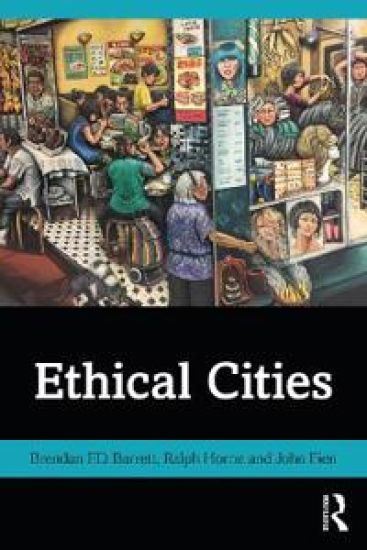
Combining elements of sustainable and resilient cities agendas, together with those from social justice studies, and incorporating concerns about good governance, transparency and accountability, the book presents a coherent conceptual framework for the ethical city, in which to embed existing and new activities within cities so as to guide local action. The authors’ observations are derived from city-specific surveys and urban case studies. These reveal how progressive cities are promoting a diverse range of ethically informed approaches to urbanism, such as community wealth building, basic income initiatives, participatory budgeting and citizen assemblies. The text argues that the ethical city is a logical next step for critical urbanism in the era of late capitalism, characterised by divisive politics, burgeoning inequality, widespread technology-induced disruptions to every aspect of modern life and existential threats posed by climate change, sustainability imperatives and pandemics. Engaging with their communities in meaningful ways and promoting positive transformative change, ethical cities are well placed to deliver liveable and sustainable places for all, rather than only for wealthy elites. Likewise, the aftermath of shocks such as the 2008 Global Financial Crisis and the Covid-19 pandemic reveals that cities that are not purposeful in addressing inequalities, social problems, unsustainability and corruption face deepening difficulties. Readers from across physical and social sciences, humanities and arts, as well as across policy, business and civil society, will find that the application of ethical principles is key to the pursuit of socially inclusive urban futures and the potential for cities and their communities to emerge from or, at least, ameliorate a diverse range of local, national and global challenges.
Ethical Cities

Ethical Cities

Brendan F.D. Barrett; Ralph Horne; John Fien

Routledge
2020
nidottu
Combining elements of sustainable and resilient cities agendas, together with those from social justice studies, and incorporating concerns about good governance, transparency and accountability, the book presents a coherent conceptual framework for the ethical city, in which to embed existing and new activities within cities so as to guide local action. The authors’ observations are derived from city-specific surveys and urban case studies. These reveal how progressive cities are promoting a diverse range of ethically informed approaches to urbanism, such as community wealth building, basic income initiatives, participatory budgeting and citizen assemblies. The text argues that the ethical city is a logical next step for critical urbanism in the era of late capitalism, characterised by divisive politics, burgeoning inequality, widespread technology-induced disruptions to every aspect of modern life and existential threats posed by climate change, sustainability imperatives and pandemics. Engaging with their communities in meaningful ways and promoting positive transformative change, ethical cities are well placed to deliver liveable and sustainable places for all, rather than only for wealthy elites. Likewise, the aftermath of shocks such as the 2008 Global Financial Crisis and the Covid-19 pandemic reveals that cities that are not purposeful in addressing inequalities, social problems, unsustainability and corruption face deepening difficulties. Readers from across physical and social sciences, humanities and arts, as well as across policy, business and civil society, will find that the application of ethical principles is key to the pursuit of socially inclusive urban futures and the potential for cities and their communities to emerge from or, at least, ameliorate a diverse range of local, national and global challenges.