Kirjojen hintavertailu – 12 859 824 kirjaa ja 27 kauppaa

Kirjailija

John G. Lyon

Kirjat ja teokset yhdessä paikassa: 4 kirjaa, julkaisuja vuosilta 2011–2017, suosituimpiin kuuluu Environmental Hydrology. Vertaile teosten hintoja ja tarkista saatavuus suomalaisista kirjakaupoista.

4 kirjaa

Kirjojen julkaisuvuodet: 2011–2017.

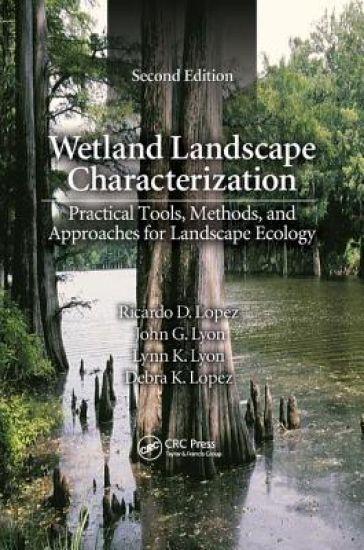
Wetland Landscape Characterization

Wetland Landscape Characterization

Ricardo D. Lopez; John G. Lyon; Lynn K. Lyon; Debra K. Lopez

CRC Press
2017
nidottu
Wetlands are, by their very nature, ephemeral and transitional, which makes them challenging to characterize. Yet the need for characterizing wetlands continues to grow, particularly as we develop a better understanding of the wealth of ecosystem services that they provide. This book provides practical tools and methods to help practitioners more effectively locate, identify, and map the extent of wetlands, and therefore better understand the importance of wetlands to society and the larger landscape. The authors address jurisdictional, regulatory, and practical applications from the scientific, engineering, and lay perspectives. Numerous techniques, examples, figures, and lessons learned supply the ideas and solutions needed for solving the complex issues associated with wetlands. This second edition has been updated throughout and includes more techniques, examples, and illustrations.
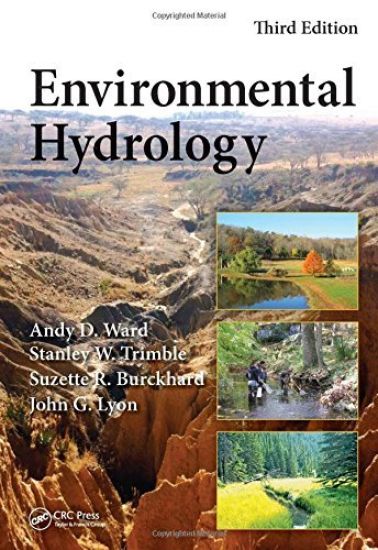
Environmental Hydrology

Environmental Hydrology

Andy D. Ward; Stanley W. Trimble; Suzette R. Burckhard; John G. Lyon

CRC Press Inc
2015
sidottu
The late Professor Reds Wolman in his Foreword to the award-winning second edition said, "This is not your ordinary textbook. Environmental Hydrology is indeed a textbook, but five elements often found separately combine here in one text to make it different. It is eclectic, practical, in places a handbook, a guide to fieldwork, engagingly personal and occasionally opinionated. … and, perhaps most engaging to me, in places the authors offer personal views as well as more strongly worded opinions. The former often relate to evaluation of alternative approaches, or formulations, of specific solutions to specific hydrologic problems." The first and second editions were bestsellers and the third promises to educate people new to the field of hydrology and challenge professionals alike, with insightful solutions to classical problems as well as trendsetting approaches important to the evolving genre. The third edition enhances materials in the second edition and has expanded information on many topics, in particular, evapotranspiration, soil erosion, two-stage ditch design and applications, and stream processes. What’s New in the Third Edition: Presents new sections on rock structures in streams, hypoxia, harmful algal blooms, and agricultural practices to reduce nutrient discharges into water resourcesEnhances the format to aid the reader in finding tables, figures, and equationsContains more than 370 figures, 120 tables, 260 equations, 100 worked examples, 160 problems, and more than 1000 referencesCollectively, the authors have more than 130 years of international experience and the addition of John Lyon and Suzette Burckhard as co-authors expands the breadth of knowledge presented in this book. More than 60 scientists and engineers in Australia, Canada, Europe, and the United States provided assistance to round out the offerings and ensure applicability to hydrology worldwide.
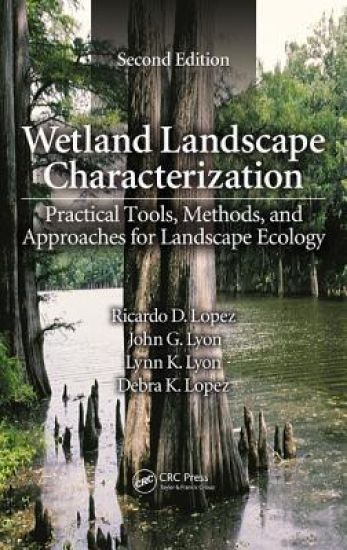
Wetland Landscape Characterization

Wetland Landscape Characterization

Ricardo D. Lopez; John G. Lyon; Lynn K. Lyon; Debra K. Lopez

CRC Press Inc
2013
sidottu
Wetlands are, by their very nature, ephemeral and transitional, which makes them challenging to characterize. Yet the need for characterizing wetlands continues to grow, particularly as we develop a better understanding of the wealth of ecosystem services that they provide. This book provides practical tools and methods to help practitioners more effectively locate, identify, and map the extent of wetlands, and therefore better understand the importance of wetlands to society and the larger landscape. The authors address jurisdictional, regulatory, and practical applications from the scientific, engineering, and lay perspectives. Numerous techniques, examples, figures, and lessons learned supply the ideas and solutions needed for solving the complex issues associated with wetlands. This second edition has been updated throughout and includes more techniques, examples, and illustrations.
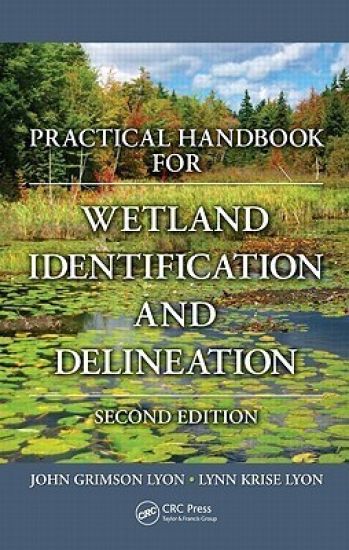
Practical Handbook for Wetland Identification and Delineation

Practical Handbook for Wetland Identification and Delineation

John G. Lyon; Lynn Krise Lyon

CRC Press Inc
2011
sidottu
Wetland identification, although theoretically straightforward, is not cut and dry as a practice. Despite the time and expense, it is an economic and environmental necessity. The Definitive Guide to the Practice of Wetland IdentificationThe second edition of the bestselling Practical Handbook for Wetland Identification and Delineation offers solutions to real-world problems in the scientific and regulatory aspects of wetlands. The authors present characteristics and indicators of wetlands that are the focus of the jurisdictional issue, and discuss strategies and methods for making wetland identifications and delineations that meet federal requirements. What’s new in the Second Edition: Coverage of increased options for scientific evaluation of problematic areasMore details on definition of wetlands, description of their functions, and delineation methods used to assess their extent Lay examination of legal questions, regulatory/permitting requirements, statutes, and other guidanceInformation on the latest techniques for conducting wetland evaluationsExploration of advances in mapping, surveying and remote sensing technologies Although the most basic delineation methods and procedures have not changed since the first edition, the availability and power of advanced mapping, remote sensing and surveying technologies have advanced the science. Low and higher altitude aerial imagery, geographic information system (GIS) databases, easily accessible land cover maps, and fine resolution satellite data are just a few of the resources available. In spite of these advances, it is still difficult to find practical directions on how to gather needed data in the literature. Updated and revised to reflect changes in the science and technology, the second edition brings together technical criteria, field indicators, and vital regional information in clear language and focused practical utility.