Kirjailija
John Galsworthy
Kirjat ja teokset yhdessä paikassa: 1 040 kirjaa, julkaisuja vuosilta 1968–2026, suosituimpiin kuuluu Villa Rubein, and Other Stories. Vertaile teosten hintoja ja tarkista saatavuus suomalaisista kirjakaupoista.
1 040 kirjaa
Kirjojen julkaisuvuodet: 1968–2026.
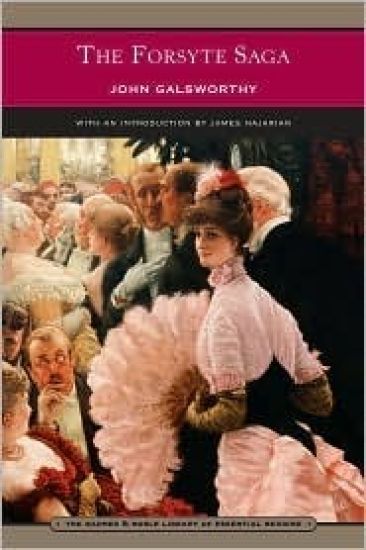
Consisting of three novels and two interludes, the Forsyte saga chronicles several generations of an upper middle class British family at the beginning of the twentieth century. Full of social satire, "The Man of Property" commences this fictional history and introduces the first generation of Forsytes, prominently featuring Soames and his wife Irene. Keenly aware of their nouveau riche standing and highly desirous of material possessions, Soames especially demonstrates the opposing forces of duty and desire. While interrupted by World War I, Galsworthy continued his trilogy with "Indian Summer of a Forsyte," "In Chancery," "Awakening," and finally "To Let," gradually bringing up another generation of Forsytes, including the second cousins Jon and Fleur Forsyte. The changes that occur over this fictional time show how this family grows and adjusts in a developing world. This saga demonstrates some of Galsworthy's best writing, who won the Nobel Prize for Literature in 1932 for his life's work.
Presents a collection of the final 32 stories from John Galsworthy's 'Caravan', his collected tales. This title follows on from "The Apple Tree", the first 24 stories of the collection.
The Apple Tree: Tales from Caravan, the Assembled Collection
John Galsworthy
Nonsuch Publishing
2005
nidottu
Written by the author of The Forsyte Saga, The Apple Tree comprises the first 24 tales of the Caravan collection, composed between the years 1900 and 1923. These stories encompass a range of topics and emotions.
Fleur, the daughter of Soames Forsyte, having been disappointed in love and then married to Michael Mont, toys with the affections of her husband and his best friend, Wilfred Desert. The two men are left in a position of uncertainty to compete for a love that is not guaranteed to either. In this classic, in the end, as it must, love wins out.