Kirjailija
John Galsworthy
Kirjat ja teokset yhdessä paikassa: 1 040 kirjaa, julkaisuja vuosilta 1968–2026, suosituimpiin kuuluu Villa Rubein, and Other Stories. Vertaile teosten hintoja ja tarkista saatavuus suomalaisista kirjakaupoista.
1 040 kirjaa
Kirjojen julkaisuvuodet: 1968–2026.

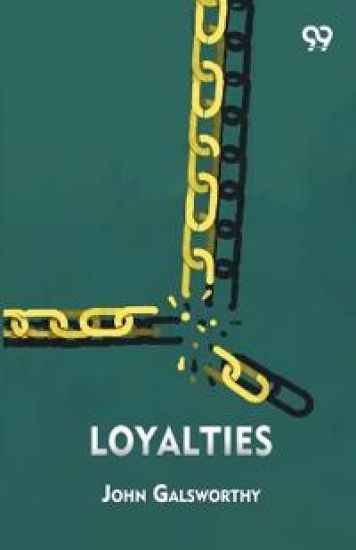
Loyalties presents an intense examination of how a community reacts when its sense of order is threatened by suspicion. Instead of focusing on who committed a wrongdoing, it reveals how quickly people protect their own reputations and how easily judgment shifts when status is at stake. Power is treated as something fragile, constantly maintained through silence, agreement, and the willingness to look away. Individuals become more concerned with how they appear to others than with fairness. Accusations force everyone to reveal what they value: safety, social standing, or personal integrity. When conflict grows, each person chooses whether to align with truth or with convenience. The idea of loyalty becomes distorted into obedience, where defending certain individuals matters more than doing what is right. Private doubt clashes with public behavior, exposing how easily influence shapes opinion. The story reveals that prejudice can drive decisions, pushing people to defend the familiar rather than consider justice. Ultimately, the work challenges the idea that loyalty is virtuous, showing that unexamined loyalty becomes a barrier to honesty, courage, and accountability.
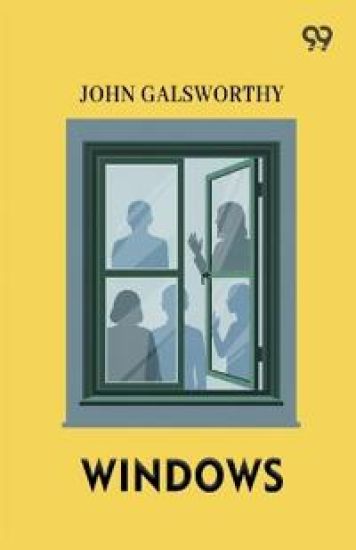
Windows examines how ideals can fracture when confronted with real human vulnerability. It presents a household that believes itself guided by reason and moral clarity until the arrival of a troubled outsider exposes the fragility of those convictions. Daily routines give the impression of stability, yet behind polite exchanges lie impatience, disillusionment, and a growing awareness that certainty is far easier to maintain when untested. Conversations inside the home reveal competing beliefs about personal responsibility, compassion, and the limits of patience. The family debates the value of principles while quietly fearing the consequences of living by them. The outsider's presence forces each person to reassess comfortable assumptions, revealing how quickly judgment replaces empathy when reputation or privacy feels threatened. Ideals become strained under the weight of inconvenience, and lofty claims about integrity dissolve into tension and blame. The work ultimately suggests that clarity is not achieved by viewing life through abstract values, but by acknowledging the complexity, weakness, and desperation within ordinary human decisions.
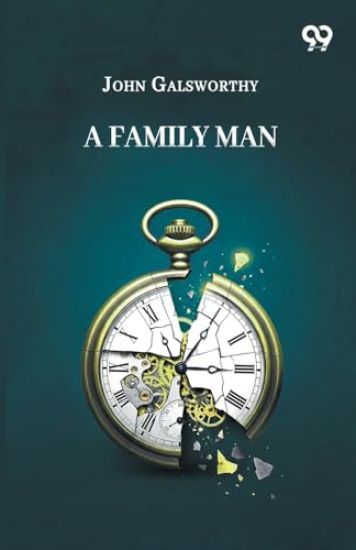
A family man follows a strict head of household whose certainty in structure and rules begins to unravel when the people within his home challenge the life he tries to control. The narrative opens with him considering the possibility of a public honor, convinced that his authority extends not only over his household but into the larger community. The home appears orderly, yet tension grows beneath the surface. A silent restraint surrounds his partner, who reacts to his decisions with quiet endurance. Their desire for freedom, identity, and dignity confronts the rigid structure that defines their father's worldview. Each conversation reveals how tradition can become a cage when it refuses to adapt. The work shows the emotional cost of holding onto control and the pain that arises when love becomes a demand rather than a choice. Ultimately, the play examines how families fracture when authority refuses to listen and how growth requires letting go.

Famous funny fellows Brief biographical sketches of American humorists
John Galsworthy
Alpha Editions
2025
Nidottu



The call of the night rider A story of the days of William Tyndale
John Galsworthy
Alpha Editions
2025
Nidottu