
Kirjailija
John Heath-Stubbs
Kirjat ja teokset yhdessä paikassa: 7 kirjaa, julkaisuja vuosilta 1990–2025, suosituimpiin kuuluu Selected Poems of Alexander Pope. Vertaile teosten hintoja ja tarkista saatavuus suomalaisista kirjakaupoista.
7 kirjaa
Kirjojen julkaisuvuodet: 1990–2025.
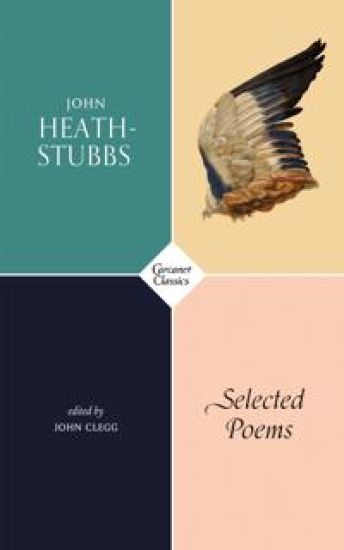
C. H. Sisson called John Heath-Stubbs `a Johnsonian presence with a Miltonic disability’ – a reference to the poet’s blindness. This selection of an abundant poet restores him to a new readership with the work on which his popularity was based. His ground-breaking early poetry is given its due, especially the major long poem Wounded Thammuz, printed here in its entirety. Heath-Stubbs was at the centre of the New Romantic school. The Second World War left him as almost the sole representative of one stream of English poetry. He remains crucial to the 1940s and ’50s, and was a popular presence into the 1980s, composing his later poems in his head and reciting from memory. Too long he has been sidelined by shifts of critical fashion. Selected Poems includes a critical preface by John Clegg who essentialises and celebrates the work. Three of Heath-Stubbs’ translations of Leopardi – revered by subsequent translators, and long out of print – are included.
A Londoner by birth and residence, John Heath-Stubbs spent his formative years in rural Hampshire and the Isle of Wight. At an early age he learnt to identify birds by their song - hence the title poem - this led to a life-long interest in natural history and science in general not excluding science fiction. A technically brilliant poet, his work can also be playfully irreverent whether about Nelson's statue or the Millenium Dome or nostalgic for the post-war atmosphere of forgotten Soho pubs.
John Heath-Stubbs's new book is more elegiac, but no less firm in its celebrations, than his last, "Sweetapple Earth" (1993). No poet since Auden has had the technical resources Heath-Stubbs deploys in his wonderfully various work. He is a poet on a substantial scale, ranging over the literatures of Europe and the Mediterranean. Intimate with classical and biblical traditions, his tone is never earnest: he has a fine sense of humor and a wry way of commenting on modern life.
Description currently unavailable