
Kirjailija
John Hill
Kirjat ja teokset yhdessä paikassa: 203 kirjaa, julkaisuja vuosilta 1986–2026, suosituimpiin kuuluu Lucina Sine Concubitu, Lettre Adressée À La Société Royale de Londres. Vertaile teosten hintoja ja tarkista saatavuus suomalaisista kirjakaupoista.
203 kirjaa
Kirjojen julkaisuvuodet: 1986–2026.
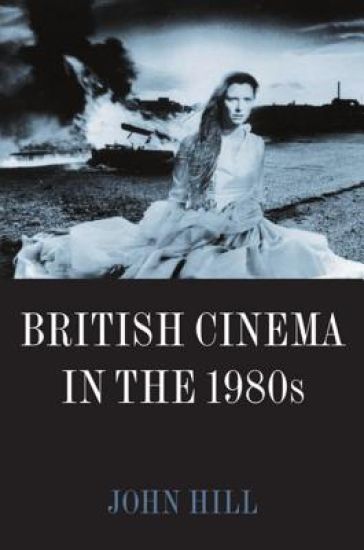
In recent years, the role and identity of British cinema has been changing, and it is these changes with which British Cinema in the 1980s is concerned. It looks at the increasing domination of the world film industry by Hollywood and the response of British filmmaking to this, the role of government, and the increasingly close relationship between film and television. It also examines the kinds of images British cinema produced in this period and how they relate to a shifting sense of `British' identity. The book not only looks at the appeal of images of the past in the heritage film (such as Howards End) and `films of Empire' (such as A Passage to India) but also discusses the more questioning images of the present by the `state of the nation' film such as Letter to Brezhnev and My Beautiful Laundrette. In doing so, it explores how these films deal with issues of class, gender and ethnicity and how these in turn connect to our understanding of the `Britishness' of British cinema. British Cinema in the 1980s will become the definitive study of an important period of British filmmaking. Bringing together a discussion of British society, the British film industry and British films, John Hill provides an accessible analysis of the main themes and issues characterizing British cinema of the time.
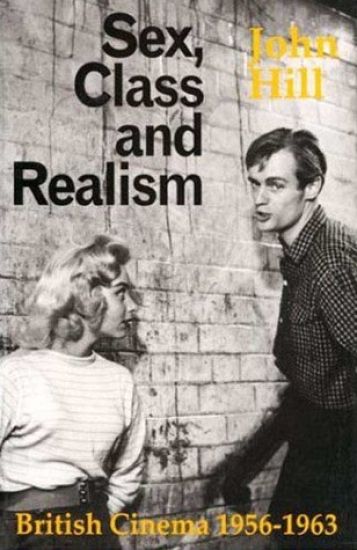
Hugely impressive in its scope, with introductory chapters on social history, the film industry and theories of realism, this indispensable history of these vital years contains unusually fresh discussions of films justly regards as important, alongside those unjustly ignored. The extensive filmography which accompanies Sex, Class and Realism will also prove to be an invaluable reference source in the teaching of British cinema history.