Kirjojen hintavertailu – 12 903 725 kirjaa ja 27 kauppaa

Kirjailija

John Howkins

Kirjat ja teokset yhdessä paikassa: 5 kirjaa, julkaisuja vuosilta 2010–2021, suosituimpiin kuuluu Creative Ecologies. Vertaile teosten hintoja ja tarkista saatavuus suomalaisista kirjakaupoista.

5 kirjaa

Kirjojen julkaisuvuodet: 2010–2021.

Invisible Work

Invisible Work

John Howkins

September Publishing
2021
nidottu
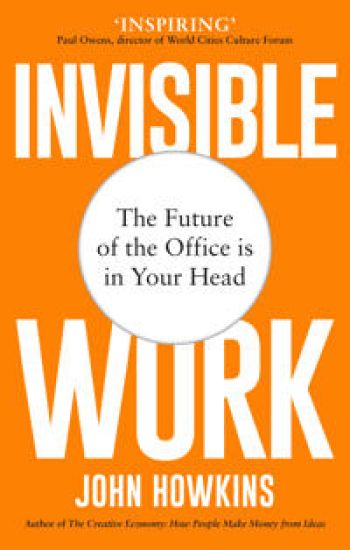
‘John Howkins’ books have proven clairvoyant; this new book is no exception. It is a must-read for innovation leaders’ Alice Loy, CEO and co-founder of Creative Startups A visionary exploration of the global future of work and an essential framework for work/life growth in the era of the remote professional. The old models no longer apply. Work today depends on personal, subjective ideas which begin inside our heads and whose success depends on never-ending negotiations with what’s going on inside other people’s heads. It depends on attitudes and behaviours in small, smart, fast teams. Job descriptions, office structures and nine-to-five expectations have become optional. All the crucial moments – the thoughts and feelings that decide what we do – are invisible. How we manage this and make it visible determines how well we do, how we are paid and whether we enjoy our work. In Invisible Work, John Howkins explores how to discover purpose, autonomy and opportunity in this new isolated, yet connected, world. 'Fresh, original, powerful, profound and deeply practical' Jeremy Hunter, founding director of Executive Mind Leadership Institute
Invisible Work

Invisible Work

John Howkins

September Publishing
2020
sidottu

Halvin toimitettuna 32,90 €

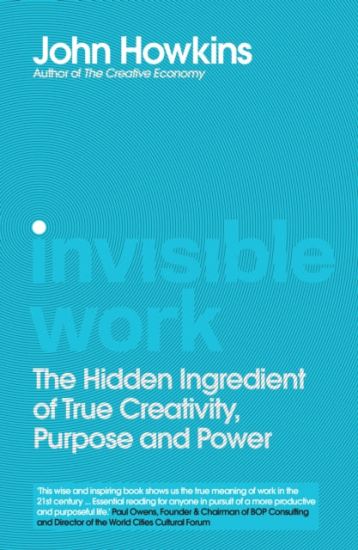
‘John Howkins’ books have proven clairvoyant; this new book is no exception. It is a must-read for innovation leaders’ Alice Loy, CEO and co-founder of Creative Startups A visionary exploration of the global future of work and an essential framework for work/life growth in the era of the remote professional. The old models no longer apply. Work today depends on personal, subjective ideas which begin inside our heads and whose success depends on never-ending negotiations with what’s going on inside other people’s heads. It depends on attitudes and behaviours in small, smart, fast teams. Job descriptions, office structures and nine-to-five expectations have become optional. All the crucial moments – the thoughts and feelings that decide what we do – are invisible. How we manage this and make it visible determines how well we do, how we are paid and whether we enjoy our work. In Invisible Work, John Howkins explores how to discover purpose, autonomy and opportunity in this new isolated, yet connected, world. 'Fresh, original, powerful, profound and deeply practical' Jeremy Hunter, founding director of Executive Mind Leadership Institute
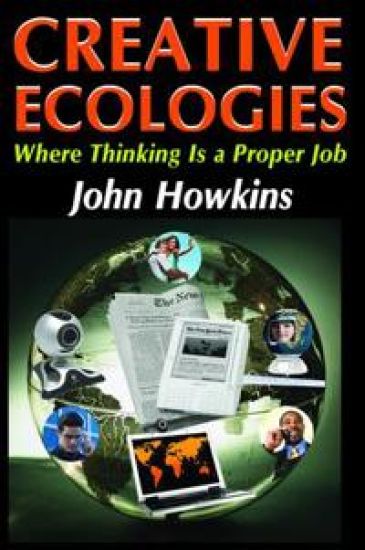
Creative Ecologies

Creative Ecologies

Bronislaw Malinowski; John Howkins

Routledge
2017
sidottu
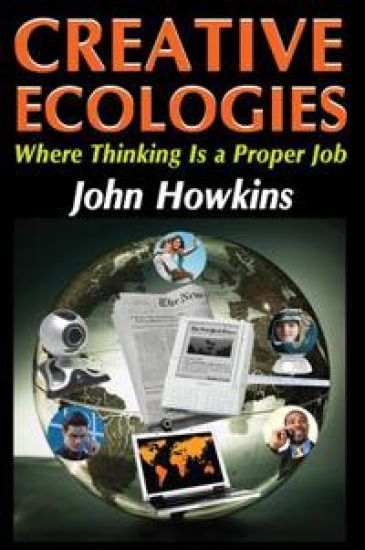
The main question of our age is how we live our lives. As we struggle with this question, we face others. How do we handle ideas and knowledge, both our own and those of others? What relationship to ideas do we want? Whose ideas do we want to be surrounded by? Where do we want to think? Most choose, or have the choice made for them, according to what family, colleagues, and friends do and say and what we read about, and a more or less rational calculation of the odds. Modern ecology results from the shift in thinking generated by quantum physics and systems theory, from the old view based on reductionism, mechanics, and fixed quantities to a new view based on holistic systems where qualities are contingent on the observer and on each other. This perception changes how people treat ideas and facts, certainties and uncertainties, and affects both art and science. Worldwide it is part of the process of understanding the current crisis in the environment, and the balance of economy, creativity, and control required in our response. The book's starting point is the growing role that information has played in industrial economies since the 1800s and especially in the last thirty years. It is an attempt to identify ecology of thinking and learning. It is also based on the need to escape from old, industrial ways and become more attuned to how people actually borrow, develop, and share ideas. Throughout the book, Howkins asks questions and offers signposts. He gives no guarantee that creative ecologies will be sustainable, but shows what should be aimed for.
The Creative Economy

The Creative Economy

John Howkins

Penguin Books Ltd
2013
pokkari

Halvin toimitettuna 23,90 €

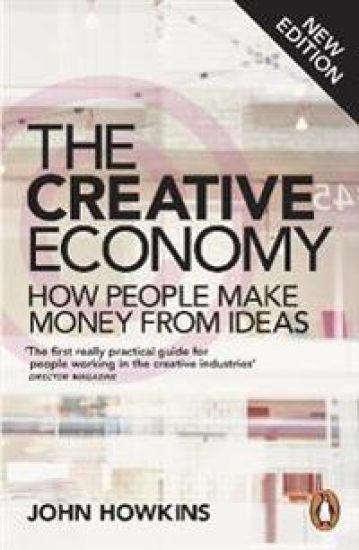
Creativity is the fastest growing business in the world. Companies are hungry for people with ideas - and more and more of us want to make, buy, sell and share creative products. But how do you turn creativity into money? In this newly rewritten edition of his acclaimed book, leading creative expert John Howkins shows what creativity is, how it thrives and how it is changing in the digital age. His key rules for success include:Invent yourself. Be unique. Own your ideas. Understand copyright, patents and IP laws. Treat the virtual as real, and vice versa. Learn endlessly: borrow, reinvent and recycle. Know when to break the rules. Whether in film or fashion, software or stories, by turning ideas into assets anyone can make creativity pay.
Creative Ecologies

Creative Ecologies

Bronislaw Malinowski; John Howkins

AldineTransaction
2010
nidottu
The main question of our age is how we live our lives. As we struggle with this question, we face others. How do we handle ideas and knowledge, both our own and those of others? What relationship to ideas do we want? Whose ideas do we want to be surrounded by? Where do we want to think? Most choose, or have the choice made for them, according to what family, colleagues, and friends do and say and what we read about, and a more or less rational calculation of the odds. Modern ecology results from the shift in thinking generated by quantum physics and systems theory, from the old view based on reductionism, mechanics, and fixed quantities to a new view based on holistic systems where qualities are contingent on the observer and on each other. This perception changes how people treat ideas and facts, certainties and uncertainties, and affects both art and science. Worldwide it is part of the process of understanding the current crisis in the environment, and the balance of economy, creativity, and control required in our response. The book's starting point is the growing role that information has played in industrial economies since the 1800s and especially in the last thirty years. It is an attempt to identify ecology of thinking and learning. It is also based on the need to escape from old, industrial ways and become more attuned to how people actually borrow, develop, and share ideas. Throughout the book, Howkins asks questions and offers signposts. He gives no guarantee that creative ecologies will be sustainable, but shows what should be aimed for.