
Kirjailija
John Irwin
Kirjat ja teokset yhdessä paikassa: 7 kirjaa, julkaisuja vuosilta 1983–2016, suosituimpiin kuuluu And That's That!. Vertaile teosten hintoja ja tarkista saatavuus suomalaisista kirjakaupoista.
7 kirjaa
Kirjojen julkaisuvuodet: 1983–2016.
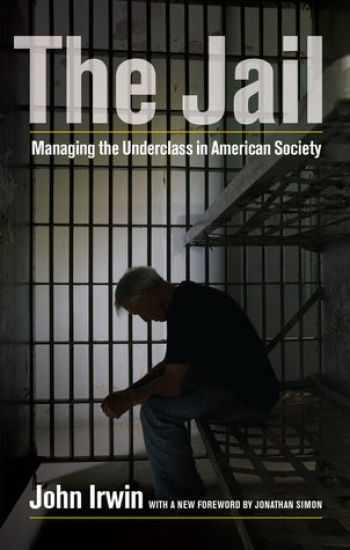
The path away from America's prison crisis may lead through the jail. While there may be many positive aspects of jails as sites of confinement, especially when compared with the prisons of mass incarceration, Irwin's analysis pointed to features that could make the new jail-based version of mass incarceration even worse. The local nature and relative obscurity of jails means that the level of legal review and due process obtainable in prisons through the persistent efforts of civil rights lawyers may be even harder to maintain in jails. The historic focus of jails on what Irwin called "rabble management" threatens to undermine the opportunity presented by the present prison crisis to rethink America's overreliance on confinement of all kinds (whether prisons, jails, or immigration detention centers). If so, it is vital that those of us committed to reversing the destructive effects of mass incarceration on American democracy and social equality expand our concern and our research from prisons to the jails that may replace them. The re-publication of John Irwin's The Jail: Managing the Underclass in American Society is a most timely aid to that mission. --From the foreword by Jonathan Simon
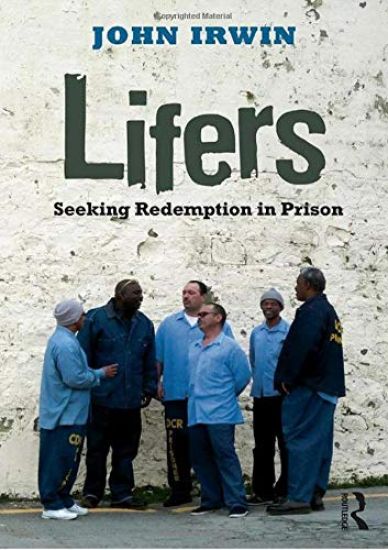
John Irwin writes about prisons from an unusual academic perspective. Before receiving a Ph. D. in sociology, he served five years in a California state penitentiary for armed robbery. This is his sixth book on imprisonment – an ethnography of prisoners who have served more than twenty years in a California correctional institution. The purpose of the book is to take issue with the conventional wisdom on homicide, society’s purposes of imprisonment, and offenders’ reformability. Through the lifers’ stories, he reveals what happens to prisoners serving very long sentences in correctional facilities and what this should tell us about effective sentencing policy.
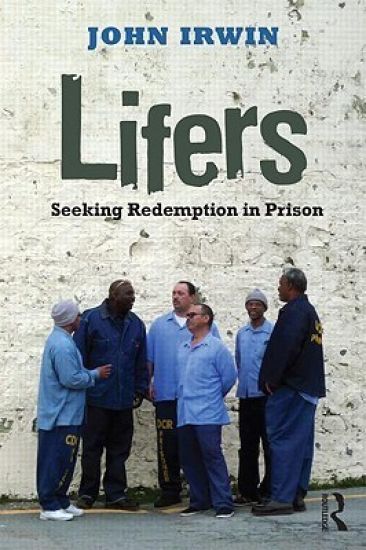
John Irwin writes about prisons from an unusual academic perspective. Before receiving a Ph. D. in sociology, he served five years in a California state penitentiary for armed robbery. This is his sixth book on imprisonment – an ethnography of prisoners who have served more than twenty years in a California correctional institution. The purpose of the book is to take issue with the conventional wisdom on homicide, society’s purposes of imprisonment, and offenders’ reformability. Through the lifers’ stories, he reveals what happens to prisoners serving very long sentences in correctional facilities and what this should tell us about effective sentencing policy.
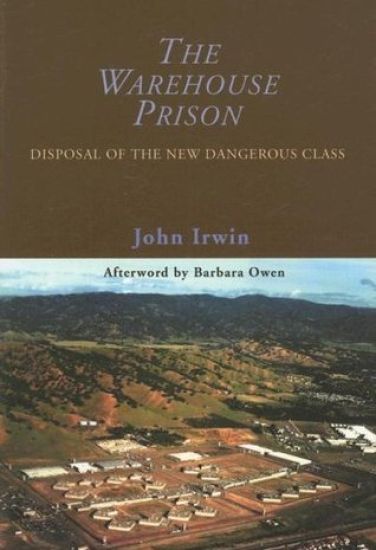
The Warehouse Prison: Disposal of the New Dangerous Class
John Irwin
Oxford University Press
2004
nidottu
While prison populations in the U. S. increased almost tenfold from 1980 to 2000, studies of men's prisons have dwindled. For this reason, eminent criminologist John Irwin was impelled to examine imprisonment during this period, and he chose Solano State Prison as the site for his study. Solano is a typical example of a prison in which new, popular forms of technology and prison regimens have been instituted. The facility houses up to 6,000 prisoners at middle-security levels--II and III in California's range of custodies. (The high-security supermax prisons are level IV.) Irwin found that prison planners and administrators have developed a system that keeps the facility's 6,000 prisoners almost completely controlled--crowded together in limited space and with limited access to rehabilitative and recreational programs. This control is accomplished through the physical design of the prison, the rigid enforcement of an extensive set of rules, and a simplified protocol for transferring troublesome prisoners to supermax prisons. Irwin also discovered that while the prisoners--most of whom are serving sentences of more than five years--are not brutalized, they suffer profoundly under this new form of imprisonment and experience tremendous readjustment difficulties when they are released back into society. In her Afterword, criminologist Barbara Owen investigates the conditions in women's correctional facilities and concludes that female prisoners endure even more abysmal treatment than the men. This book examines the forces that have made the United States the most punitive nation in the world--and perhaps in all of history. Irwin's accessible writing style brings a real-world, insider's perspective to his depiction of prison life. Quotations from individuals within the correctional system further enliven this intriguing text. The Warehouse Prison is a unique study of the modern prison and essential reading for students of corrections and criminal justice.

Based on in-depth interviews and two years of participant observation of felons, this book traces the career paths of such criminal types as the thief, the hustler, and the junkie, as well as the non-criminal 'square john'. The career of the felon, from early environment to crime to prison to parole, is explored from the point of view of the felon himself, a viewpoint seldom considered by the 'straight' society in which the felon must learn to function. Since its first publication, "The Felon" has quickly become a classic of criminal sociology. For this new edition the author has prepared a preface assessing the changes that have occurred since the book first appeared. Engaging and readable, Irwin's description of the life of felons and his conclusions about the role of prisons in our society remain convincing and topical today.
Phonological Development in Children 18 to 72 Months
John Irwin; Seok Wong
Southern Illinois Univ Pr
1983
sidottu