Kirjojen hintavertailu – 12 903 724 kirjaa ja 27 kauppaa

Kirjailija

John J. Pilch

Kirjat ja teokset yhdessä paikassa: 16 kirjaa, julkaisuja vuosilta 1995–2016, suosituimpiin kuuluu Wellness Spirituality. Vertaile teosten hintoja ja tarkista saatavuus suomalaisista kirjakaupoista.

Nimi esiintyy myös muodoissa: John J Pilch

16 kirjaa

Kirjojen julkaisuvuodet: 1995–2016.

The Cultural Life Setting of the Proverbs

The Cultural Life Setting of the Proverbs

John J. Pilch

Fortress Press,U.S.
2016
pokkari
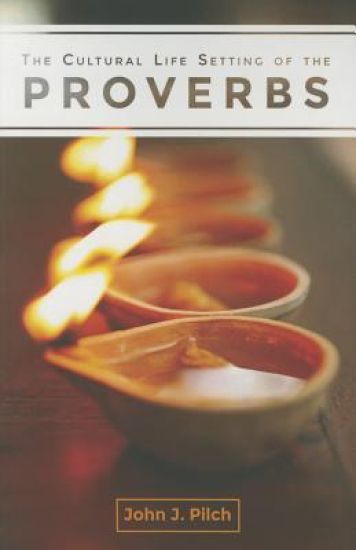
Often, readers and commentators read the Proverbs as "timeless" observations and recommendations regarding human nature, valid for all cultures and places. This blunts their cultural relevance, argues John J. Pilch. For example, proverbs regarding the "good wife" and the "quarrelsome wife" take on different meaning in a context where a married couple were rarely in close daily contact, and the predominantly masculine language used in the Proverbs points to the different cultural spheres of men and women and the different child-rearing practices employed with boys and girls. The Cultural Life Settng of the Proverbs explores and describes the cultural matrix of the Mediterranean world from which the Proverbs come and of which they are descriptive. The biblical text is paired with commentary addressing those proverbs and proverb collections with particular bearing on patterns of social roles and expectations. A list of social-science "scenarios" provides ready reference to particular aspects of the large cultural area of the ancient Mediterranean region and North Africa.
Social-Science Commentary on the Deutero-Pauline Letters

Social-Science Commentary on the Deutero-Pauline Letters

Bruce J. Malina; John J. Pilch

Fortress Press,U.S.
2013
pokkari
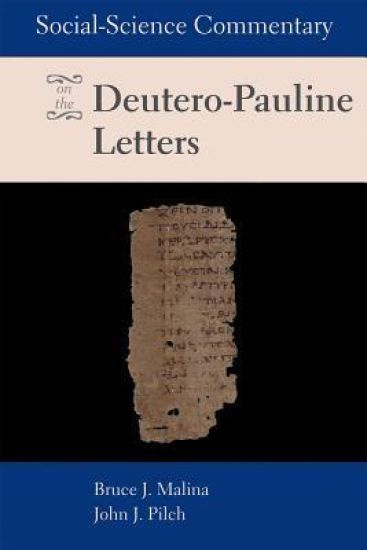
The Social-Science Commentary series pioneers an alternative commentary genre, providing in this volume the text of the deutero-Pauline letters and cultural notes on them. The Social-Science Commentary on the Deutero-Pauline Letters provides essential "reading scenarios" on specific cultural phenomena in these letters, including forgery, normative conflict, paideia (training), and Household Codes. This volume highlights the transformation of the memory of Paul in early Christianity as reflecting the concerns and interest of communities after Paul's death.
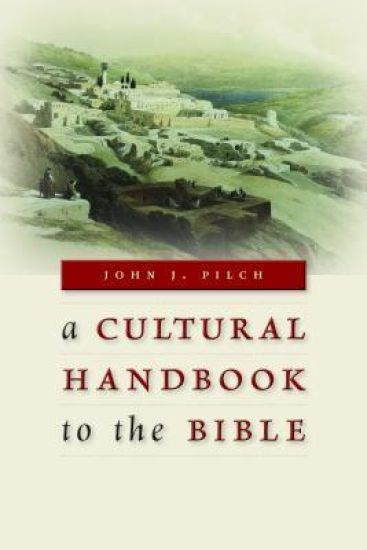
Cultural Handbook to the Bible

Cultural Handbook to the Bible

John J. Pilch

William B Eerdmans Publishing Co
2012
nidottu
The task of interpreting the Bible -- which was written by and to people living in very different cultural contexts from contemporary Western society -- can seem monumental. The opposite is also true: people can easily forget that studying the Bible is a type of cross-cultural encounter, instead reading their own cultural assumptions into biblical texts. In A Cultural Handbook to the Bible John Pilch bridges this cultural divide by translating important social concepts and applying them to biblical texts. In short, accessible chapters Pilch discusses sixty-three topics related to the cosmos, the earth, persons, family, language, human consciousness, God and the spirit world, and entertainment. Pilch's fresh interpretations of the Bible challenge traditional views and explore topics often overlooked in commentaries. Each chapter concludes with a list of useful references from cultural anthropology or biblical studies, making this book an excellent resource for students of the Bible.
Wellness Spirituality

Wellness Spirituality

John J Pilch

Wipf Stock Publishers
2008
pokkari
""Wellness is a way of life, a life-style that is based on an experience of God and shaped in response to that experience. this life-style views and lives life as purposeful and pleasurable, seeks out life-sustaining and life-enriching options that are freely and personally chosen at every opportunity. It enhances self-esteem and continually challenges one's values, striving always to sink ever-deeper roots into spiritual values and religious beliefs."" --from the Introduction ""The abundant life Christ promised to seekers is living that is energized by and centered in real meaning, that is busy discovering life's authentic joys and pleasures, that operates out of deeply rooted spiritual values. And it is living in ways that give life to others. John Pilch's excellent book dives right into the center of this understanding and explores it thoroughly and vividly."" --Rich Heffern, 'Praying Magazing' John J. Pilch teaches Biblical Studies at Georgetown Univeristy. He has also been invited as a visiting professor to universities and seminaries throughout the world. Among his numerous publications are ""Introducing the Cultural Context of the Old Testament, ' 'Introducing the Cultural Context of the New Testament, ' and 'Healing in the New Testament.'
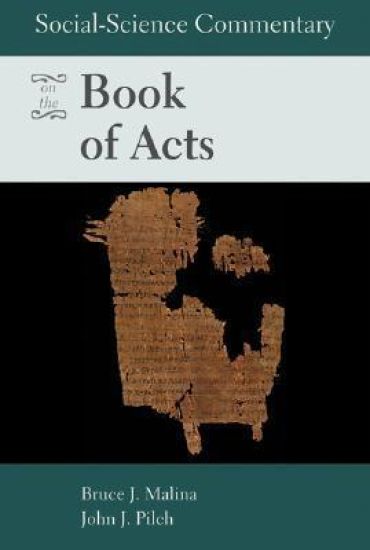
Social-Science Commentary on the Book of Acts

Social-Science Commentary on the Book of Acts

Bruce J. Malina; John J. Pilch

Augsburg Fortress
2008
pokkari
Like earlier volumes in the Social Science Commentary series, this volume situates Acts squarely in the cultural matrix of the first century Mediterranean world, elaborating its codes of patron and client, mediatorship, honor and shame, healing and sickening, wizardry and witchcraft accusations, and the understanding of the Spirit of God as well as deities and demons as personal causes of significant events. Part 1: Jesus First Command to the Twelve - Their Activities Among Israelite Majority Populations (Acts 1:4-12:25) Part 2: Jesus Second Command to Saul/Paul - His Activities Among Israelite Minority Populations (Acts 12:25-25:31)
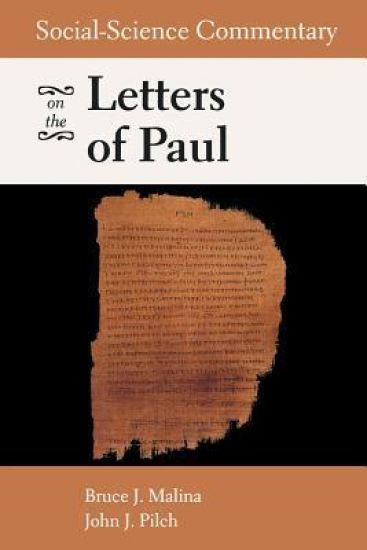
Social-Science Commentary on the Letters of Paul

Social-Science Commentary on the Letters of Paul

Bruce J. Malina; John J. Pilch

Augsburg Fortress
2006
pokkari
This latest addition to the "Fortress Social-Science Commentaries on New Testament Writings" illuminates the values, perceptions, and social codes of the Mediterranean culture that shaped Paul and his interactions - both harmonious and conflicted - with others. Malina and Pilch add new dimensions to our understanding of the apostle as a social change agent, his coworkers as innovators, and his Gospel as an assertion of the honor of the God of Israel.
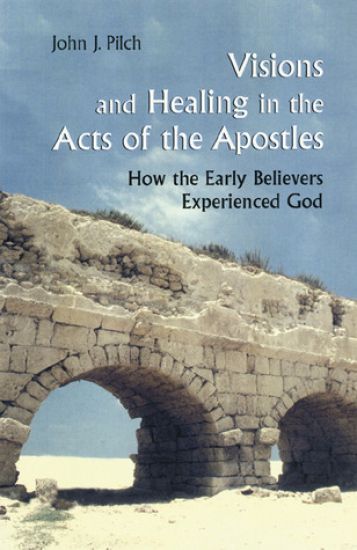
Visions and Healing in the Acts of the Apostles
Trances, visions, healing miracles: permeating the biblical records are these altered states of consciousness, through which some early Christians experienced God. Today's rituals and liturgies are related to those experiences, which have become significant elements in the Christian tradition and mysticism. Pilch uses cultural anthropology, cognitive neuroscience, and medical anthropology to interpret these past events, and to explore the contemporary liturgical potential of this new understanding. Backed with solid, scientific insights, this interdisciplinary book will help the reader gain appreciation of our ancestors? faith and the power of Scripture and liturgy. Chapters are: Introduction, Chapter One: "Acts 1-2: The Journey Begins: Communal Religious Trance Experiences (ASCs)," Chapter Two: ? Acts 3-5: Temple Tours: God Acts in the Temple and a Private Home,? Chapter Three: ? Acts 6-12: Excursions Outside Jerusalem: Encountering God Away From the Temple,? Chapter Four: ? Acts 13:1-21:36: Journeys into Non-Israelite Territory Inspired By Altered States of Consciousness Experiences,? Chapter Five: ? Acts 21:37-28:15: Paul the Prisoner?s Progress Illuminated and Aided By Altered States of Consciousness Experiences,? and ? Acts 28:16-31 Re-orientation? The Journey Concludes.? Also includes Introduction, Conclusion, Resource Bibliography, Appendix One: ? Outline of Acts,? Appendix Two: ? Rite and Trance,? and Appendix Three: ? A Ceremonial Rite for Experiencing the Realm of God in Altered States of Consciousness.?
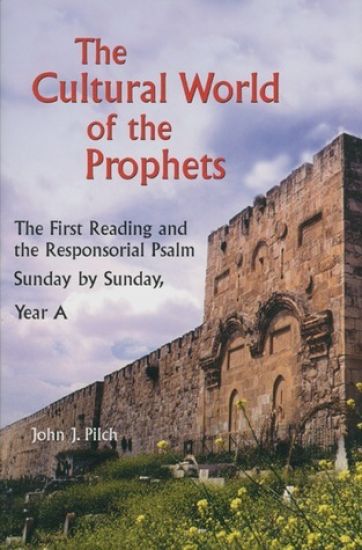
The Cultural World of the Prophets

The Cultural World of the Prophets

John J. Pilch

Liturgical Press
2004
pokkari
Preachers and liturgy planners will find The Cultural World of the Prophets a companion to John Pilch's The Cultural World of Jesus Sunday by Sunday series and The Cultural World of the Apostles series. Each essay offers historical, literary, and Eastern Mediterranean cultural information about the first reading and responsorial psalm of the liturgy of each Sunday. The Cultural World of the Prophets relates the first reading and responsorial psalm to the Gospel as intended by the architects of the Lectionary. It encourages readers to pursue in-depth study and helps them appreciate the specific verses of the first reading and the responsorial psalm in their own right.
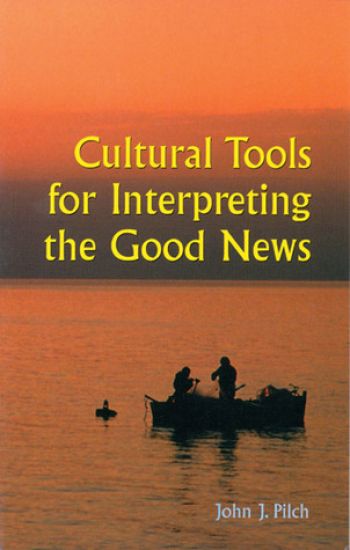
Cultural Tools for Interpreting the Good News
How can reading the Bible in its appropriate Mediterranean cultural context shed light on concerns of believers who live in Western or other cultures? In Cultural Tools for Interpreting the Good News, John J. Pilch presents a basic introduction to the ancient Middle Eastern culture in which the Bible originated. A brief review of the life of Jesus from birth to death and resurrection guides the selection of biblical text segments to illustrate key cultural concepts so that believers may appropriate the Bible for personal or community life. Chapter one examines the core Middle Eastern cultural concepts honor and shame as they are reflected in the stories about Jesus' origins and his behavior in adulthood. Chapter two describes how Jesus grew up to become a typical and successful male in his culture. Chapter three presents Jesus as a Holy Man in his tradition who announces the reign of God especially in parables. Chapter four shows how Jesus sought to establish the reign of God especially in his healing activities and by offering fresh insights into the appearances of the Risen Jesus. Chapters are Honor and Shame," *How a Mediterranean Boy Becomes a Man, - *Jesus Announces the Reign of God, - *Jesus Seeks to Establish the Reign of God. -
The Cultural World of the Apostles

The Cultural World of the Apostles

John J. Pilch

Liturgical Press
2002
pokkari
Preachers and liturgy planners will find The Cultural World of the Apostles a companion to John Pilch's previous series, The Cultural World of Jesus. Each essay offers brief historical and literary information on the second (or middle) reading assigned for the Sundays in the three-year lectionary cycle. Suggestions for cross-cultural comparisons with Western culture and links with the gospel for each Sunday encourage readers to explore pastoral applications to modern life. The second readings were intended to be an independent, semi-continuous reading of the Acts of the Apostles and the letters attributed to Paul and James, with selections from Peter and the book of Revelation. In The Cultural World of the Apostles, Pilch explains that, because the readings were shortened, their brevity has deprived readers of sufficient context to interpret the text-segment in a responsible way. To help people make sense of such high-context documents, Pilch provides a broader literary context for each reading.
The Cultural World of the Apostles

The Cultural World of the Apostles

John J. Pilch

Liturgical Press
2001
pokkari
Preachers and liturgy planners will find The Cultural World of the Apostles a complementary companion to Pilch & Acirc's previous series The Cultural World of Jesus. Each essay offers brief historical and literary information on the New Testament reading assigned for the Sundays in the three-year Lectionary cycle. Suggestions for cross-cultural comparisons with Western culture and links with the gospel for each Sunday encourage readers to explore pastoral applications to modern life. The principle that guided the architects of the Lectionary in selecting the second readings in the Sunday Lectionary was that the readings should be short and easily understood. The second readings were intended to be an independent, semi-continuous reading of the letters attributed to Paul and James, with selections from Peter and Revelation. Pilch explains that, because the readings were shortened, their brevity has deprived readers of sufficient context to interpret the text-segment in a responsible way. To help people make sense of such high-context documents, Pilch provides in The Cultural World of the Apostles a broader literary context for each reading.
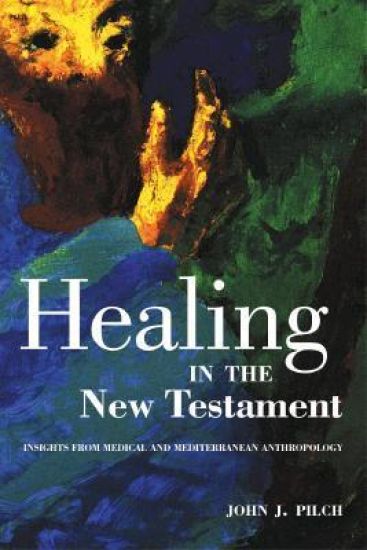
Healing in the New Testament

Healing in the New Testament

John J. Pilch

Augsburg Fortress
2000
pokkari
How are we to read and understand stories of Jesus healing the lame, deaf, blind, and those with a variety of other maladies? Pilch takes us beyond the historical and literary questions to examine the social questions of how the earliest followers of Jesus and ancient Judeans understood healing, what roles healers played, and the different emphases on healing among the gospels. In his comparative analysis, the author draws on the anthropology of the Mediterranean as well as the models employed by medical anthropologists to understand peasant societies and their health-care systems. Utilizes social-science models Features a complementary web- site with additional resources
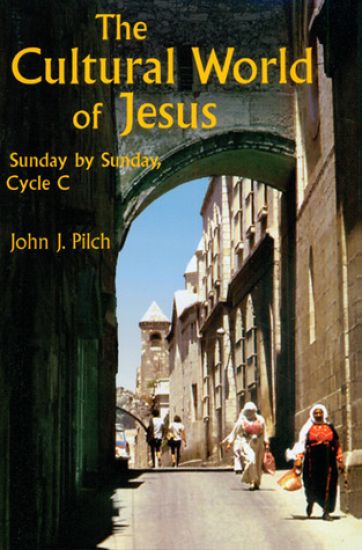
The Cultural World of Jesus: Sunday by Sunday, Cycle C
The fifty-six essays in this book present cultural reflections on the gospel reading assigned for each Sunday in Cycle C of the Roman Lectionary. Each essay highlights aspects of the first-century, Eastern Mediterranean cultural world in which Jesus lived and suggests across-cultural comparison with contemporary Western culture. With this background information, readers can make more fitting applications of the Scripture to modern life situations.
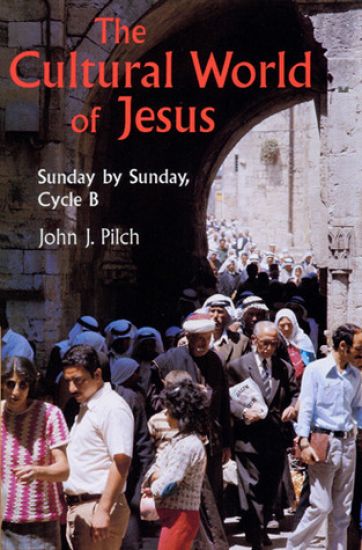
The Cultural World Of Jesus: Sunday By Sunday, Cycle B
The fifty-six essays in this book present cultural reflections on the gospel reading assigned for each Sunday in Cycle B of the Roman Lectionary. Each essay highlights aspects of the first-century, Eastern Mediterranean cultural world in which Jesus lived and suggests across-cultural comparison with contemporary Western culture. With this background information, readers can make more fitting applications of the Scripture to modern life situations.
The Cultural World of Jesus

The Cultural World of Jesus

John J. Pilch

Liturgical Press
1995
pokkari
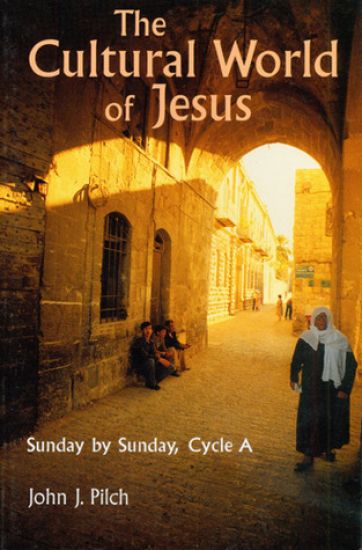
The fifty-six essays in this book present cultural reflections on the gospel reading assigned for each Sunday in Cycle A of the Roman Lectionary. Each essay highlights aspects of the first-century, Eastern Mediterranean cultural world in which Jesus lived and suggests across-cultural comparison with contemporary Western culture. With this background information, readers can make more fitting applications of the Scripture to modern life situations. Used as an aid in preaching, Lectionary-based catechesis, Scripture study, or for the interest and knowledge it brings, The Cultural World of Jesus will add form and substance to your understanding of the Word that dwelt among us.""