Kirjojen hintavertailu – 12 859 826 kirjaa ja 27 kauppaa
Kirjailija
John Lindow
Kirjat ja teokset yhdessä paikassa: 9 kirjaa, julkaisuja vuosilta 1997–2022, suosituimpiin kuuluu Old Norse Mythology. Vertaile teosten hintoja ja tarkista saatavuus suomalaisista kirjakaupoista.
This title is part of UC Press's Voices Revived program, which commemorates University of California Press’s mission to seek out and cultivate the brightest minds and give them voice, reach, and impact. Drawing on a backlist dating to 1893, Voices Revived makes high-quality, peer-reviewed scholarship accessible once again using print-on-demand technology. This title was originally published in 1978.
This title is part of UC Press's Voices Revived program, which commemorates University of California Press’s mission to seek out and cultivate the brightest minds and give them voice, reach, and impact. Drawing on a backlist dating to 1893, Voices Revived makes high-quality, peer-reviewed scholarship accessible once again using print-on-demand technology. This title was originally published in 1978.
An innovative and accessible overview of how ancient Scandinavians understood and made use of their mythological stories. Old Norse Mythology provides a unique survey of the mythology of Scandinavia: the gods Þórr (Thor) with his hammer, the wily and duplicitous Óðinn (Odin), the sly Loki, and other fascinating figures. They create the world, battle their enemies, and die at the end of the world, which arises anew with a new generation of gods. These stories were the mythology of the Vikings, but they were not written down until long after the conversion to Christianity, mostly in Iceland. In addition to a broad overview of Nordic myths, the book presents a case study of one myth, which tells of how Þórr (Thor) fished up the World Serpent, analyzing the myth as a sacred text of the Vikings. Old Norse Mythology also explores the debt we owe to medieval intellectuals, who were able to incorporate the old myths into new paradigms that helped the myths to survive when they were no longer part of a religious system. This superb introduction traces the use of the mythology in ideological contexts, from the Viking Age until the twenty-first century, as well as in entertainment.
An innovative and accessible overview of how ancient Scandinavians understood and made use of their mythological stories. Old Norse Mythology provides a unique survey of the mythology of Scandinavia: the gods Þórr (Thor) with his hammer, the wily and duplicitous Óðinn (Odin), the sly Loki, and other fascinating figures. They create the world, battle their enemies, and die at the end of the world, which arises anew with a new generation of gods. These stories were the mythology of the Vikings, but they were not written down until long after the conversion to Christianity, mostly in Iceland. In addition to a broad overview of Nordic myths, the book presents a case study of one myth, which tells of how Þórr (Thor) fished up the World Serpent, analyzing the myth as a sacred text of the Vikings. Old Norse Mythology also explores the debt we owe to medieval intellectuals, who were able to incorporate the old myths into new paradigms that helped the myths to survive when they were no longer part of a religious system. This superb introduction traces the use of the mythology in ideological contexts, from the Viking Age until the twenty-first century, as well as in entertainment.
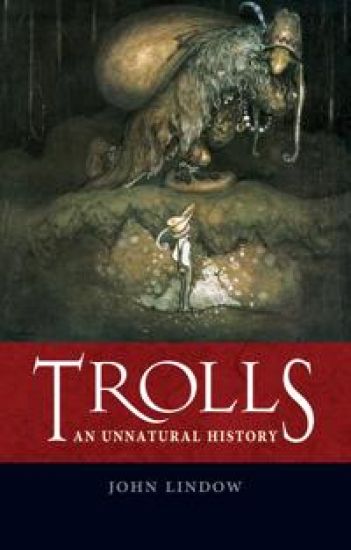
Trolls are everywhere. They lurk on the internet; they fill the pages of popular fantasy literature; they are hunted in Norwegian film. They are the homeless in California; they are comforting or threatening characters in children's books; they are amusing dolls. Although trolls are ubiquitous today, for centuries they were confined to the landscape of Scandinavia. They were beings in nature, and their environment was a pre-industrial world in which people lived by farming and fishing on a small scale. This book, now available in paperback, is a history of trolls from their first appearances in folk tales – some people reported actual encounters with trolls, and others found such encounters plausible even if they were not sure – and follows a natural transition from folklore to trolls in other domains of popular culture. Indeed, trolls would not be interesting had they not made this jump, first to illustrations in the Nordic book market, then on to Scandinavian literature and drama, and far beyond. Since then they have never gone away, and in their various guises they continue to appeal to the imagination around the world. From the Vikings to the Moomins, the Brothers Grimm and the Three Billy Goats Gruff, this book explores the panoply of trolls and their history and their continuing presence today.
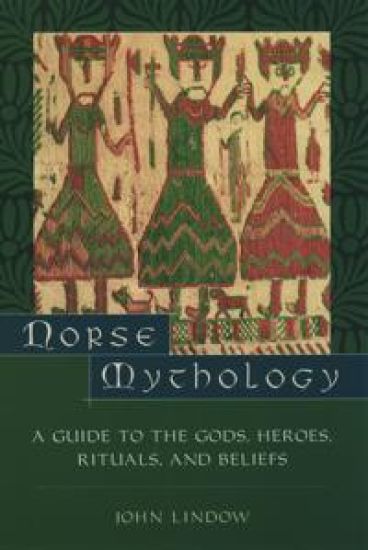
Norse Mythology explores the magical myths and legends of Norway, Sweden, Denmark, Iceland and Viking-Age Greenland--outlining along the way the prehistoric tales and beliefs from these regions that have remained embedded in the imagination of the world. The book begins with an Introduction that helps put Scandinavian mythology in place in history, followed by a chapter that explains the meaning of mythic time, and a third section that presents in-depth explanations of each mythological term. These fascinating entries identify particular deities and giants, as well as the places where they dwell and the varied and wily means by which they forge their existence and battle one another. We meet Thor, one of the most powerful gods, who specializes in killing giants using a hammer made for him by dwarfs, not to mention myriad trolls, ogres, humans and strange animals. We learn of the ongoing struggle between the gods, who create the cosmos, and the jötnar, or giants, who aim to destroy it. In the enchanted world where this mythology takes place, we encounter turbulent rivers, majestic mountains, dense forests, storms, fierce winters, eagles, ravens, salmon and snakes in a landscape closely resembling Scandinavia. Beings travel on ships and on horseback; they eat slaughtered meat and drink mead. Spanning from the inception of the universe and the birth of human beings to the universe's destruction and the mythic future, these sparkling tales of creation and destruction, death and rebirth, gods and heroes will entertain readers and offer insight into the relationship between Scandinavian myth, history, and culture.
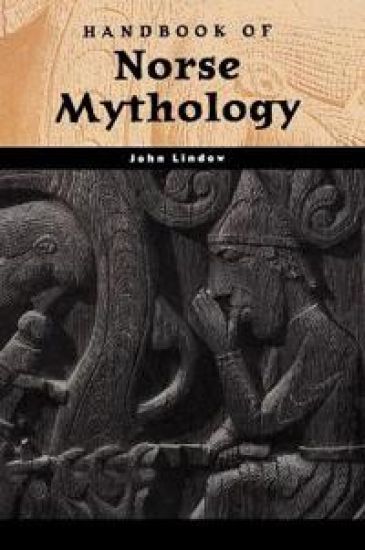
Authoritative, comprehensive reference incorporating the latest research on tales, literary and oral sources, and the broad-reaching cultural legacy of Norse mythology. The book describes the pagan origins of Scandinavia, the interaction between the Vikings and other Europeans, and the concept of time in Norse mythology, and gives a dictionary of deities, themes, and concepts. With 200 entries of up to four pages each, the dictionary includes both well-known characters like Thor and minor figures such as Gleipnir, the "fetter with which the wolf Fenrir was finally bound." It also includes further references about Viking and medieval Scandinavia, archaeology, etymology, the conversion of Iceland, other encyclopedias, and more.
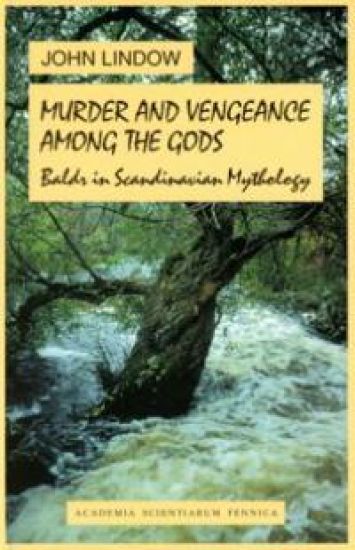
The death of Baldr and its aftermath comprise the central moment of Scandinavian mythology. This book attempts to make sense of that story in the context of its thirteenth century recording by paying close attention to the texts themselves rather than to hypothetical background in cult or ritual. It elucidates both the literary and probable socio-historical context, and in connection with the latter it draws special attention to the fact that Baldr's story does not end with his death but always involves acts of vengeance, thus suggesting an involvement with bloodfeud. Finnish Academy of Science and LettersFF Communications 262ISBN 951-41-0808-6ISSN 0014-5815