Kirjojen hintavertailu – 12 903 725 kirjaa ja 27 kauppaa

Kirjailija

John Marland

Kirjat ja teokset yhdessä paikassa: 5 kirjaa, julkaisuja vuosilta 2009–2024, suosituimpiin kuuluu Thomas Hardy and the Folk Horror Tradition. Vertaile teosten hintoja ja tarkista saatavuus suomalaisista kirjakaupoista.

5 kirjaa

Kirjojen julkaisuvuodet: 2009–2024.

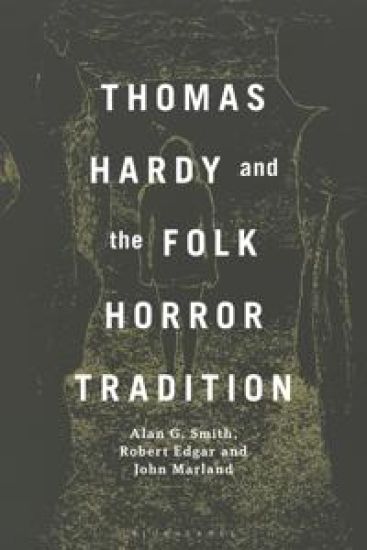
Thomas Hardy and the Folk Horror Tradition

Thomas Hardy and the Folk Horror Tradition

Alan G. Smith; Robert Edgar; John Marland

BLOOMSBURY PUBLISHING PLC
2024
nidottu

Halvin toimitettuna 48,90 €

Thomas Hardy and the Folk Horror Tradition takes the uncanny and unsettling fiction of Thomas Hardy as fundamental in examining the lineage of ‘Hardyan Folk Horror’. Hardy’s novels and his short fiction often delve into a world of folklore and what was, for Hardy the recent past. Hardy’s Wessex plays out tensions between the rational and irrational, the pagan and the Christian, the past and the 'enlightened' future. Examining these tensions in Hardy's life and his work provides a foundation for exploring the themes that develop in the latter half of the 20th century and again in the 21st century into a definable genre, folk horror. This study analyses the subduing function of heritage drama via analysis of adaptations of Hardy's work to this financially lucrative film market. This is a market in which the inclusion of the weird and the eerie does not fit with the construction of a past and its function in creating a nostalgia of a safe and idyllic picture of England’s rural past. However, there are some lesser-known adaptations from the 1970s that sit alongside the unholy trinity of folk horror: the adaptation for television of the Wessex Tales. From a consideration of the epistemological fissure that characterize Hardy’s world, the book draws parallels between then and now and the manifestation of writing on conceptual borders. Through this comparative analysis, Thomas Hardy and the Folk Horror Tradition posits that we currently exist on a moment of fracture, when tradition sits as a seductive threat.

Thomas Hardy and the Folk Horror Tradition

Thomas Hardy and the Folk Horror Tradition

Alan G. Smith; Robert Edgar; John Marland

BLOOMSBURY PUBLISHING PLC
2023
sidottu
Thomas Hardy and the Folk Horror Tradition takes the uncanny and unsettling fiction of Thomas Hardy as fundamental in examining the lineage of ‘Hardyan Folk Horror’. Hardy’s novels and his short fiction often delve into a world of folklore and what was, for Hardy the recent past. Hardy’s Wessex plays out tensions between the rational and irrational, the pagan and the Christian, the past and the 'enlightened' future. Examining these tensions in Hardy's life and his work provides a foundation for exploring the themes that develop in the latter half of the 20th century and again in the 21st century into a definable genre, folk horror. This study analyses the subduing function of heritage drama via analysis of adaptations of Hardy's work to this financially lucrative film market. This is a market in which the inclusion of the weird and the eerie does not fit with the construction of a past and its function in creating a nostalgia of a safe and idyllic picture of England’s rural past. However, there are some lesser-known adaptations from the 1970s that sit alongside the unholy trinity of folk horror: the adaptation for television of the Wessex Tales. From a consideration of the epistemological fissure that characterize Hardy’s world, the book draws parallels between then and now and the manifestation of writing on conceptual borders. Through this comparative analysis, Thomas Hardy and the Folk Horror Tradition posits that we currently exist on a moment of fracture, when tradition sits as a seductive threat.
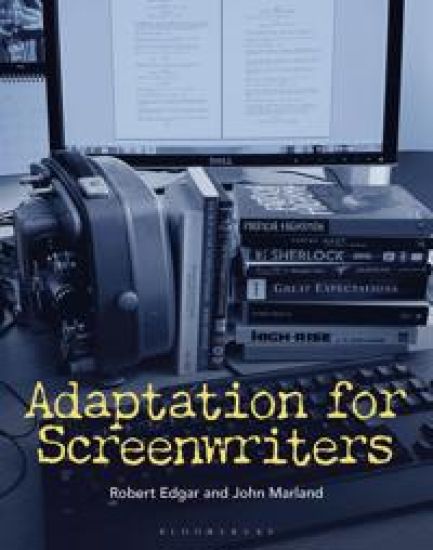
Adaptation for Screenwriters

Adaptation for Screenwriters

Robert Edgar; John Marland

Bloomsbury Academic
2019
nidottu
Develop the critical and creative skills to ‘translate’ a story from page to screen with this step-by-step guide to the process of screen adaptation you'll learn to: - interrogate a novel or short story to release its ‘inner film’ - convert fictional prose into visual drama - overcome the obstacles presented by different media ‘languages’ - approach key strategic decisions - both technical and interpretive - draft and re-draft your plot, characters and dialogue - professionally format and submit your finished script In addition to examples taken from ‘literary classics’, contemporary novels, genre fiction, short stories, and biographical material, Marland and Edgar embrace the wider phenomenon of re-telling and updating existing stories, such as the ‘appropriation’ of popular figures, inter-film adaptation (sequels and ‘reboots’), and development into other visual forms including graphic fiction and video games. Whether you are producing a faithful adaptation of Tolstoy’s War and Peace, or planning to pair up the crime-fighting duo of Sherlock Holmes and Batman, Adaptation for Screenwriters will be your guide.
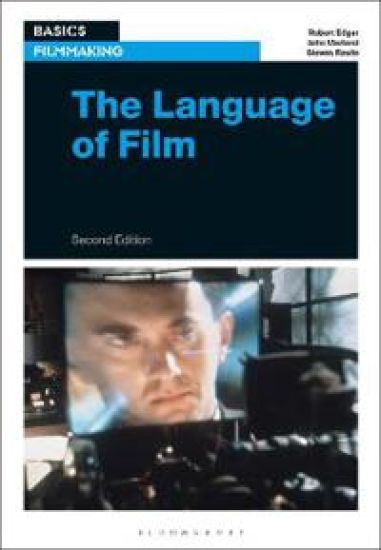
The Language of Film

The Language of Film

Robert Edgar; John Marland; Steven Rawle

Bloomsbury Academic USA
2018
nidottu
An effective filmmaker needs to have a good understanding of how film language works, and more importantly, how to actively influence an audience’s thoughts and feelings and guide their gaze around the screen. Packed with examples from classic and contemporary cinema, The Language of Film reveals the essential building blocks of film and explains how the screen communicates meaning to its audience. You will learn about fundamental theories and concepts, including film semiotics, narrative structures, ideology, and genre, as well as how elements such as shot size, camera movement, editing technique, and color come together to create the cinematic image. With insightful case studies and discussion questions, dozens of practical tips and exercises, and a new chapter on film sound, this new edition of The Language of Film is a must-have guide for aspiring filmmakers.
Basics Film-Making 02: Screenwriting

Basics Film-Making 02: Screenwriting

Robert Edgar-Hunt; John Marland; James Richards

AVA Publishing SA
2009
nidottu
"Basics Film-Making: Screenwriting" is the second in the "Basics Film-Making" series and is aimed both at students on film production courses, as well as those wishing to write a short film. The book teaches the key elements of screenwriting through examining areas such as dialogue, sound, setting, shots and structure. It also provides advice to new film-makers on how to market their productions. This is an essential guide to screenwriting and will teach the reader to write and produce artistically satisfying shorts.