Kirjailija
John Osborne
Kirjat ja teokset yhdessä paikassa: 33 kirjaa, julkaisuja vuosilta 1972–2026, suosituimpiin kuuluu Mediaeval Lazio. Vertaile teosten hintoja ja tarkista saatavuus suomalaisista kirjakaupoista.
33 kirjaa
Kirjojen julkaisuvuodet: 1972–2026.
Foreign Language Teaching and Information and Communication Technology
Barbara Lewandowska-Tomaszczyk; John Osborne; Frits Schulte
Peter Lang AG
2001
nidottu
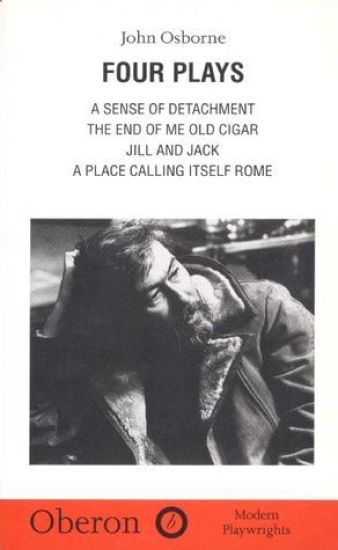
Includes the plays A Sense of Detachment, The End of Me Old Cigar, Jill and Jack and A Place Calling Itself Rome Osborne here delivers his trademark eloquence, rage and devastating wit. A Sense of Detachment satirises our heartless, profiteering society, while defending timeless human values. The End of Me Old Cigar examines the decadent lives of a collection of leading media figures. The television play Jill and Jack is a comic gem that satirises the conventions of its own genre while also being a close study of sexual warfare. A Place Calling Itself Rome is a powerful reworking of Shakespeare's Coriolanus.

John Osborne (1929-1994) was the leading playwright of the post-war British theatre revival: a rennaissance that is said to have started when his Look Back in Anger was first performed at the Royal Court Theatre. It led to the coining of the phrase 'angry young man', which applied not only to Osborne but also to many new writers who criticised the system. But Osborne was not a conventional revolutionary; his attack on the present was in fact a mourning for the loss of past values, a stance that became clearer in his later plays. The Blood of the Bambergs, the first of the two companion "Plays for England" (1963), is a satirical account of a royal wedding. The second play, Under Plain Cover depicts a marriage in crisis that becomes a tabloid 'human interest' story. Watch it Come Down (1975) is the story of a man waiting for death, while his friends trash and scar each other around him.
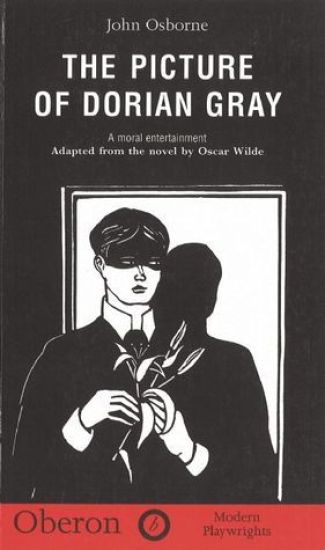
The Picture of Dorian Gray is a stage adaptation of Oscar Wilde's classic and controversial novel, described by Osborne as a "Moral Entertainment". The story of a man who preserves his youth and is feted by society, while his portrait deteriorates with age and corruption.
Archie Rice is a failure as a comedian. News of his son's death while on military service arrives as the family is anticipating his return with a party. Archie tries to stage a comeback for his befuddled, has-been father who, mercifully, dies in the attempt. A prosperous brother offers to send the family to Canada but Archie cannot leave the decaying world of the music hall, where he is at home.-3 women, 5 men
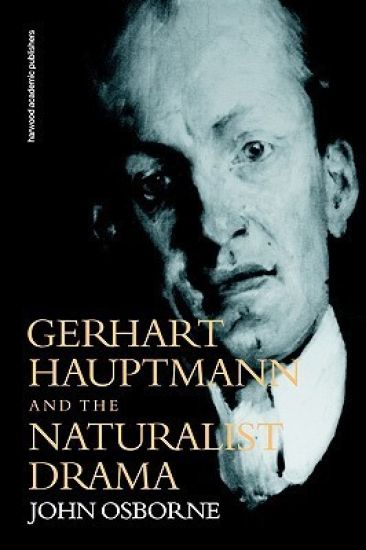
What was German Naturalism? What were its achievements? How does it compare with its counterparts in other European countries? These are some of the difficult questions addressed by John Osborne in Gerhart Hauptmann and the Naturalist Drama, a revised and updated version of his The Naturalist Drama in Germany, now widely acknowledged as the standard introduction to the subject. The debates to which he contributed, and in some cases initiated, on Naturalism in the German theatre, Naturalist theory in Germany, and the development of the Naturalist movement to the contemporary Social Democrat movement, have remained central issues. This revised edition preserves the structure and approach of the original, including its emphasis on the early dramas of Hauptmann, while taking full account of subsequent scholarship which provides the context in which this Naturalist playwright's work can be placed.
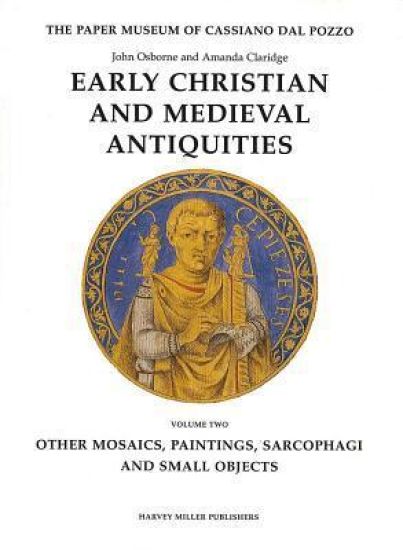
Early Christian and Medieval Antiquities
John Osborne; Amanda Claridge; Cecilia M. Bartoli
Harvey Miller Publishers
1998
sidottu
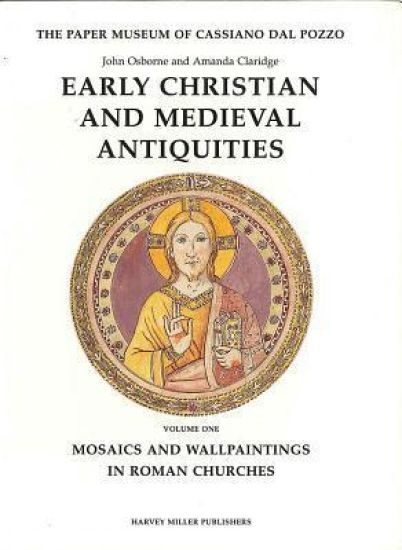
Early Christian and Medieval Antiquities
John Osborne; Amanda Claridge; Cecilia M. Bartoli
Harvey Miller Publishers
1997
sidottu
Jimmy Porter, frustrated and bitter in his drab flat, lives with middle-class wife Alison. Also sharing the flat is Cliff who keeps things tenuously together. Alison's friend Helen arrives and persuades her to leave Jimmy only to fall for him herself. When Alison becomes pregnant Helen leaves them together. This play originally opened at the Royal Court Theatre in 1956 and has since proved to be a milestone in the history of theatre.
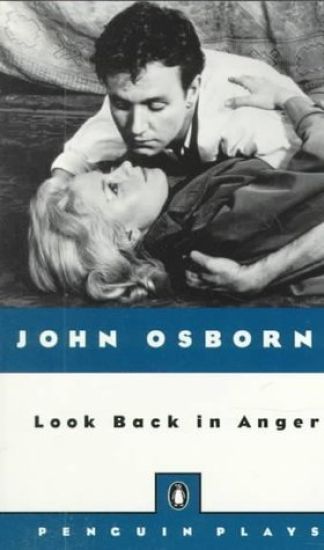
The text of the play, first performed in London in 1956, depicts the despair of post-war youth
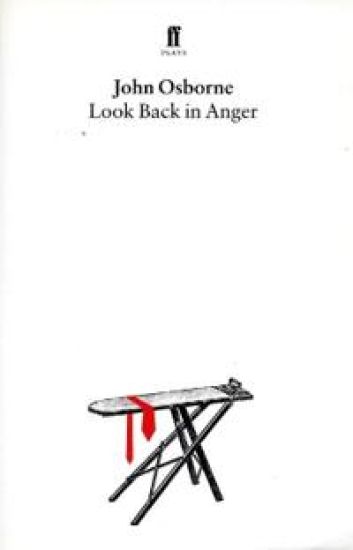
Anyone who's never watched someone die is suffering from a pretty bad case of virginity. Look Back in Anger premiered at the Royal Court Theatre, London, in 1956. 'John Osborne didn't contribute to British theatre: he set off a landmine called Look Back in Anger and blew most of it up.' Alan Sillitoe 'A story of youthful insecurity inflamed by lack of opportunity and the terrifying, destabilizing force of love . . . Jimmy Porter could fill an opera house with his bellowing hunger for a bigger, better life and a loyal love to share it with.' New York Times 'Look Back in Anger presents post-war youth as it really is. To have done this at all would be a signal achievement; to have done it in a first play is a minor miracle. All the qualities are there, qualities one had despaired of ever seeing on the stage - the drift towards anarchy, the instinctive leftishness, the automatic rejection of "official" attitudes, the surrealist sense of humour, the casual promiscuity, the sense of lacking a crusade worth fighting for and, underlying all these, the determination that no one who dies shall go unmourned . . . I doubt if I could love anyone who did not wish to see Look Back in Anger. It is the best young play of its decade.' Kenneth Tynan, Observer 'How bracing, and, yes, even shocking, its white-hot fury remains.' The Times This edition includes an introduction by Michael Billington and an afterword by David Hare.