Kirjojen hintavertailu – 12 859 829 kirjaa ja 27 kauppaa
Kirjailija
John Pendlebury
Kirjat ja teokset yhdessä paikassa: 7 kirjaa, julkaisuja vuosilta 2008–2024, suosituimpiin kuuluu Town and Country Planning in the UK. Vertaile teosten hintoja ja tarkista saatavuus suomalaisista kirjakaupoista.
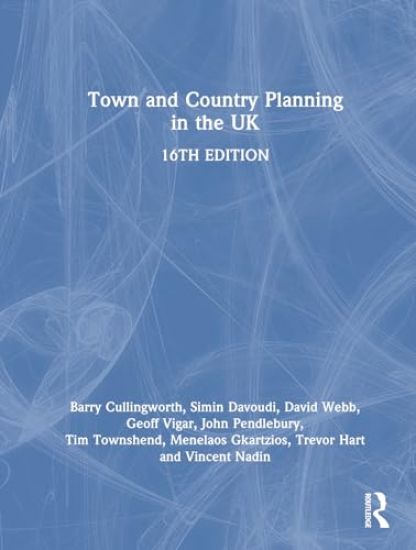
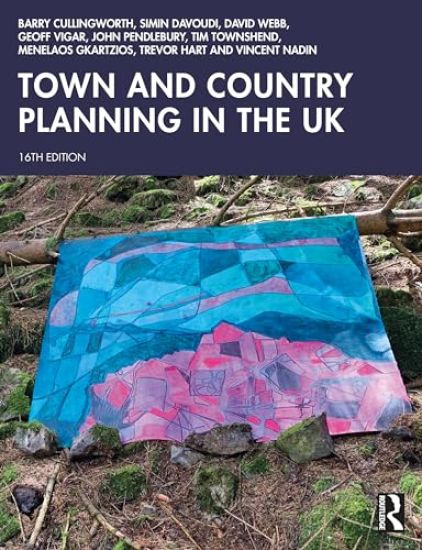
Town and Country Planning in the UK provides one of the most authoritative and comprehensive accounts of British planning history, institutions, legislation, policies, processes and practices. This 16th edition has been substantially revised and re-organised to provide an up-to-date overview of the planning systems in the four nations of the UK, supported by analyses, interpretations, illustrations and examples from planning practice. The new edition features:details of the legislative and policy changes since 2015 and discussion of their implications, including the early stages of the Levelling Up and Regeneration Act, 2023discussion of environmental policies and programmes and the impact of Brexit on environmental regulatory landscape in Britainchanges to climate change and resilience policies, notably the government’s ‘Net Zero’ agenda and their implications for planningupdates to the substantive issues in plan-making, especially the responses to the shortage of affordable housing and the development of major infrastructurechanges to the processes involved in plan-making and development managementan expanded and revised chapter on design to include the growing significance of public health in the built environmentmajor revisions to the chapter on rural planningrevisions of the text on planning theory especially in relation to management of conflicts over the use and development of landextended discussion of politics, professionalism and participation in planningThe 16th edition of Town and Country Planning in the UK is an ideal starting point for those who are studying or working in the planning field, and for other professionals who need to locate their work in the planning context.
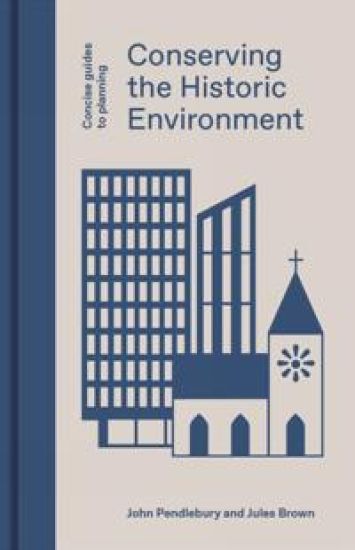
Why do we decide that parts of our built environment are worth the special attention that heritage designation brings? How can the character of conservation areas and other historic places continue to evolve to provide new housing, release their economic potential and enhance communities? What are the principles to understand when judging the impact of new development or alterations to our significant heritage assets? And what about the future of conservation? In seeking to answer such questions, this book provides a grounding for planners and other related professionals in the key concepts associated with conservation and how to apply them in practice. It begins by setting out the values and principles that underpin the current conservation-planning systems, explaining their historic context and evolution and critically examining these systems and possible counter approaches. Illustrated by a wide range of examples of historic and modern buildings, conservation areas, world heritage sites, parks and gardens, it then focuses upon decision-making and the management of change. It discusses how the conservation of the historic environment has become increasingly linked to other social and economic policy objectives before identifying key lessons and implications for future policy development and planning practice.
This volume brings together an interdisciplinary team of leading scholars to discuss frameworks of value in relation to the preservation of historic environments. Starting from the premise that heritage values are culturally and historically constructed, the book examines the effects of pluralist frameworks of value on how preservation is conceived. It questions the social and economic consequences of constructions of value and how to balance a responsive, democratic conception of heritage with the pressure to deliver on social and economic objectives. It also describes the practicalities of managing the uncertainty and fluidity of the widely varying conceptions of heritage.
This new text on the subject of conservation in the built environment provides a unique holistic view on the understanding of the practice of conservation connecting it with wider societal and political forces. UK practice is used as a means, along with international examples, for bringing together a real understanding of practice with a social science analysis of the issues. The author introduces ideas about the meanings and values attached to historic environments and how that translates into public policies of conservation.