
Kirjojen hintavertailu – 12 903 725 kirjaa ja 27 kauppaa

Kirjailija

John Petrocik

Kirjat ja teokset yhdessä paikassa: 2 kirjaa, julkaisuja vuodelta 2020, suosituimpiin kuuluu The Turnout Myth. Vertaile teosten hintoja ja tarkista saatavuus suomalaisista kirjakaupoista.

2 kirjaa

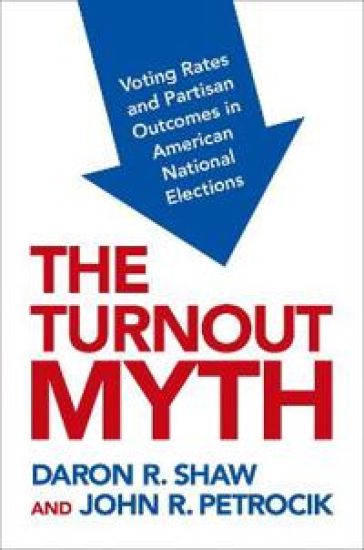
The Turnout Myth

The Turnout Myth

Daron Shaw; John Petrocik

Oxford University Press Inc
2020
nidottu
When voter turnout is high, Democrats have an advantage--or so the truism goes. But, it is true? In The Turnout Myth, Daron Shaw and John Petrocik refute the widely held convention that high voter participation benefits Democrats while low involvement helps Republicans. The authors examine over 50 years of presidential, gubernatorial, Senatorial, and House election data to show that there is no consistent partisan effect associated with voter turnout in national elections. Instead, less-engaged citizens' responses to short-term forces-candidate appeal, issues, scandals, and the like-determine election turnout. Moreover, Republican and Democratic candidates are equally affected by short-term forces. The consistency of these effects suggests that partisan conflict over eligibility, registration, and voting rules and regulations is less important for election outcomes than both sides seem to believe. Featuring powerful evidence and analytical acumen, this book provides a new foundation for thinking about U. S. elections.
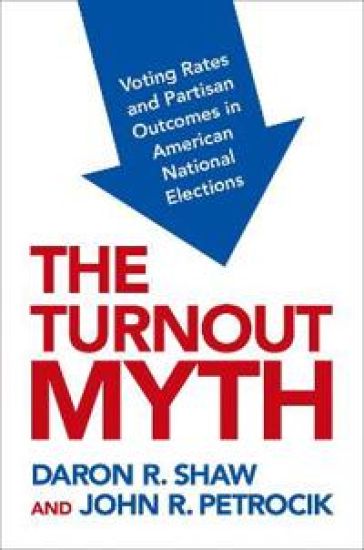
The Turnout Myth

The Turnout Myth

Daron Shaw; John Petrocik

Oxford University Press Inc
2020
sidottu
When voter turnout is high, Democrats have an advantage--or so the truism goes. But, it is true? In The Turnout Myth, Daron Shaw and John Petrocik refute the widely held convention that high voter participation benefits Democrats while low involvement helps Republicans. The authors examine over 50 years of presidential, gubernatorial, Senatorial, and House election data to show that there is no consistent partisan effect associated with voter turnout in national elections. Instead, less-engaged citizens' responses to short-term forces-candidate appeal, issues, scandals, and the like-determine election turnout. Moreover, Republican and Democratic candidates are equally affected by short-term forces. The consistency of these effects suggests that partisan conflict over eligibility, registration, and voting rules and regulations is less important for election outcomes than both sides seem to believe. Featuring powerful evidence and analytical acumen, this book provides a new foundation for thinking about U. S. elections.