Kirjojen hintavertailu – 12 903 725 kirjaa ja 27 kauppaa

Kirjailija

John R. Knott

Kirjat ja teokset yhdessä paikassa: 8 kirjaa, julkaisuja vuosilta 2002–2017, suosituimpiin kuuluu John James Audubon's Journal of 1826. Vertaile teosten hintoja ja tarkista saatavuus suomalaisista kirjakaupoista.

Nimi esiintyy myös muodoissa: John R Knott

8 kirjaa

Kirjojen julkaisuvuodet: 2002–2017.

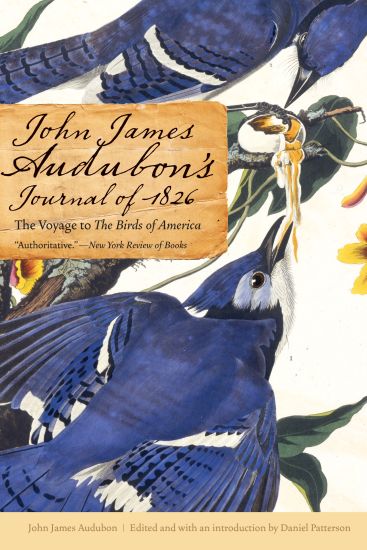
John James Audubon's Journal of 1826

John James Audubon's Journal of 1826

John James Audubon; John R. Knott

University of Nebraska Press
2017
pokkari
John James Audubon, an early American naturalist and painter, produced one of the greatest works of natural history and art of the nineteenth century, The Birds of America. As the record of the interior story of the making of this monumental work, his journal of 1826 is one of the richest documents in the history of American culture. The first accurate transcription of Audubon's 1826 journal, this edition corrects many of the errors, both intentional and unintentional, found in previous editions. Such errors have obscured the figure of Audubon as a man struggling to realize his professional and artistic dreams. When Audubon embarked for Liverpool from New Orleans in 1826, he carried with him more than 250 of his watercolor drawings in a heavy case, a packet of letters of introduction, and many a good reason to believe that he was a fool to be gambling his family's fortunes on so risky and grandiose a venture. These journal entries, conveying with energy and emotion Audubon's experience of risking everything on a dream—"Oh, America, Wife, Children and acquaintances, Farewell!"—document an American icon's transformation from a beleaguered backwoods artist and naturalist to the man who would become America's premier ornithologist, illustrator of birds, and nature essayist.
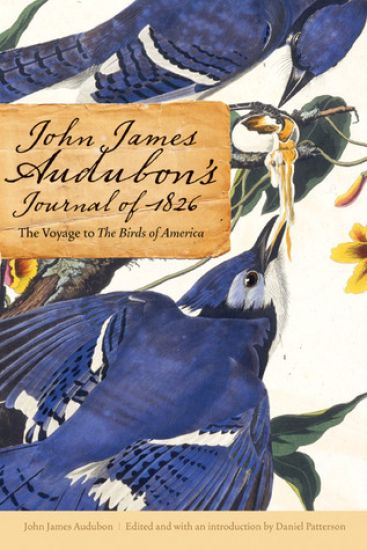
John James Audubon's Journal of 1826

John James Audubon's Journal of 1826

John James Audubon; John R. Knott

University of Nebraska Press
2011
sidottu
John James Audubon, an early American naturalist and painter, produced one of the greatest works of natural history and art of the nineteenth century, The Birds of America. As the record of the interior story of the making of this monumental work, his journal of 1826 is one of the richest documents in the history of American culture. The first accurate transcription of Audubon's 1826 journal, this edition corrects many of the errors, both intentional and unintentional, found in previous editions. Such errors have obscured the figure of Audubon as a man struggling to realize his professional and artistic dreams. When Audubon embarked for Liverpool from New Orleans in 1826, he carried with him more than 250 of his watercolor drawings in a heavy case, a packet of letters of introduction, and many a good reason to believe that he was a fool to be gambling his family's fortunes on so risky and grandiose a venture. These journal entries, conveying with energy and emotion Audubon's experience of risking everything on a dream—"Oh, America, Wife, Children and acquaintances, Farewell!"—document an American icon's transformation from a beleaguered backwoods artist and naturalist to the man who would become America's premier ornithologist, illustrator of birds, and nature essayist.
Imagining the Forest

Imagining the Forest

John R. Knott

The University of Michigan Press
2011
nidottu
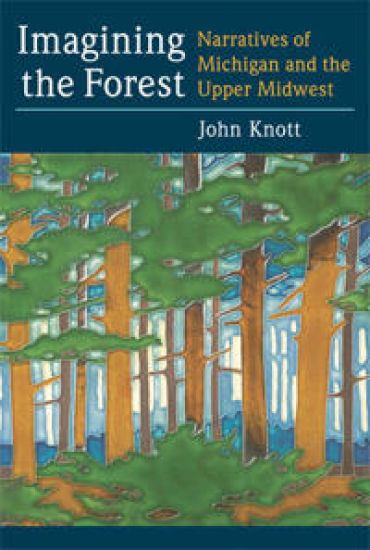
Forests have always been more than just their trees. The forests in Michigan (and similar forests in other Great Lakes states such as Wisconsin and Minnesota) played a role in the American cultural imagination from the beginnings of European settlement in the early nineteenth century to the present. Our relationships with those forests have been shaped by the cultural attitudes of the times, and people have invested in them both moral and spiritual meanings. Author John Knott draws upon such works as Simon Schama's Landscape and Memory and Robert Pogue Harrison's Forests: The Shadow of Civilization in exploring ways in which our relationships with forests have been shaped, using Michigan---its history of settlement, popular literature, and forest management controversies---as an exemplary case. Knott looks at such well-known figures as William Bradford, James Fenimore Cooper, John Muir, John Burroughs, and Teddy Roosevelt; Ojibwa conceptions of the forest and natural world (including how Longfellow mythologized them); early explorer accounts; and contemporary literature set in the Upper Peninsula, including Jim Harrison's True North and Philip Caputo's Indian Country. Two competing metaphors evolved over time, Knott shows: the forest as howling wilderness, impeding the progress of civilization and in need of subjugation, and the forest as temple or cathedral, worthy of reverence and protection. Imagining the Forest shows the origin and development of both.
Imagining the Forest

Imagining the Forest

John R. Knott

The University of Michigan Press
2011
sidottu
Forests have always been more than just their trees. The forests in Michigan (and similar forests in other Great Lakes states such as Wisconsin and Minnesota) played a role in the American cultural imagination from the beginnings of European settlement in the early nineteenth century to the present. Our relationships with those forests have been shaped by the cultural attitudes of the times, and people have invested in them both moral and spiritual meanings. Author John Knott draws upon such works as Simon Schama's Landscape and Memory and Robert Pogue Harrison's Forests: The Shadow of Civilization in exploring ways in which our relationships with forests have been shaped, using Michigan---its history of settlement, popular literature, and forest management controversies---as an exemplary case. Knott looks at such well-known figures as William Bradford, James Fenimore Cooper, John Muir, John Burroughs, and Teddy Roosevelt; Ojibwa conceptions of the forest and natural world (including how Longfellow mythologized them); early explorer accounts; and contemporary literature set in the Upper Peninsula, including Jim Harrison's True North and Philip Caputo's Indian Country. Two competing metaphors evolved over time, Knott shows: the forest as howling wilderness, impeding the progress of civilization and in need of subjugation, and the forest as temple or cathedral, worthy of reverence and protection. Imagining the Forest shows the origin and development of both.
Discourses of Martyrdom in English Literature, 1563–1694

Discourses of Martyrdom in English Literature, 1563–1694

John R. Knott

Cambridge University Press
2010
pokkari
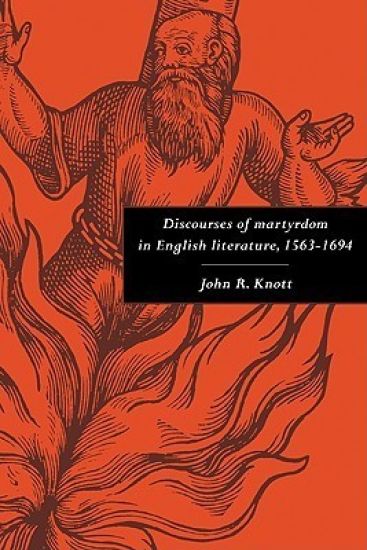
Representations of persecution and martyrdom in sixteenth- and seventeenth-century England helped shape a lasting ideal of Protestant heroism. This book shows how Protestant writers tried to recreate a drama of suffering learned from the Bible and from accounts of the primitive Church. It examines John Foxe's Acts and Monuments (the Book of Martyrs), second only to the Bible in importance for English Protestants of the period, revealing the subversive potential of the work by exploring how it furnished a discourse of martyrdom for those wishing to resist the authority of the Church. Professor Knott also traces Milton's complex negotiations with Foxe and ideas of martyrdom, and engages with the work of the Elizabethan Separatists, William Prynne, John Bunyan, the Quaker leader George Fox, and the hymn-writer Isaac Watts. This is an extensive treatment of the literature of persecution in Renaissance England.
Imagining Wild America

Imagining Wild America

John R. Knott

The University of Michigan Press
2002
nidottu
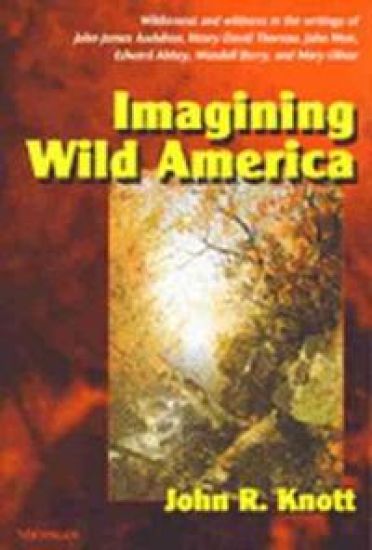
At a time when the idea of wilderness is being challenged by both politicians and intellectuals, Imagining Wild America examines writing about wilderness and wildness and makes a case for its continuing value. The book focuses on works by John James Audubon, Henry David Thoreau, John Muir, Edward Abbey, Wendell Berry, and Mary Oliver, as each writer illustrates different stages and dimensions of the American fascination with wild nature. John Knott traces the emergence of a visionary tradition that embraces values consciously understood to be ahistorical, showing that these writers, while recognizing the claims of history and the interdependence of nature and culture, also understand and attempt to represent wild nature as something different, other. A contribution to the growing literature of eco-criticism, the book is a response to and critique of recent arguments about the constructed nature of wilderness. Imagining Wild America demonstrates the richness and continuing importance of the idea of wilderness, and its attraction for American writers. John R. Knott is Professor of English, University of Michigan. His previous books include The Huron River: Voices from the Watershed, coedited with Keith Taylor.
Imagining Wild America

Imagining Wild America

John R. Knott

The University of Michigan Press
2002
sidottu
At a time when the idea of wilderness is being challenged by both politicians and intellectuals, Imagining Wild America examines writing about wilderness and wildness and makes a case for its continuing value. The book focuses on works by John James Audubon, Henry David Thoreau, John Muir, Edward Abbey, Wendell Berry, and Mary Oliver, as each writer illustrates different stages and dimensions of the American fascination with wild nature. John Knott traces the emergence of a visionary tradition that embraces values consciously understood to be ahistorical, showing that these writers, while recognizing the claims of history and the interdependence of nature and culture, also understand and attempt to represent wild nature as something different, other. A contribution to the growing literature of eco-criticism, the book is a response to and critique of recent arguments about the constructed nature of wilderness. Imagining Wild America demonstrates the richness and continuing importance of the idea of wilderness, and its attraction for American writers. John R. Knott is Professor of English, University of Michigan. His previous books include The Huron River: Voices from the Watershed, coedited with Keith Taylor.