Kirjojen hintavertailu – 12 859 819 kirjaa ja 27 kauppaa
Kirjailija
John Rogers
Kirjat ja teokset yhdessä paikassa: 72 kirjaa, julkaisuja vuosilta 1996–2026, suosituimpiin kuuluu ML 3rd ed Upp Int PF/PF CD Pk. Vertaile teosten hintoja ja tarkista saatavuus suomalaisista kirjakaupoista.
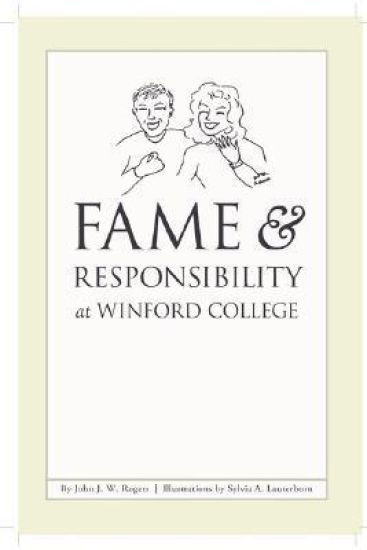
Winford is a fictional college that illustrates the changes that colleges and universities have undergone in the past fifty years. John Rogers, a retired professor of Geology, uses this book to describe the decline in academic intentions from a school that feels a responsibility for students to one that is more interested in academic fame. The humorous text is enhanced by humorous sketches by Chapel Hill artist Sylvia Lauterborn.
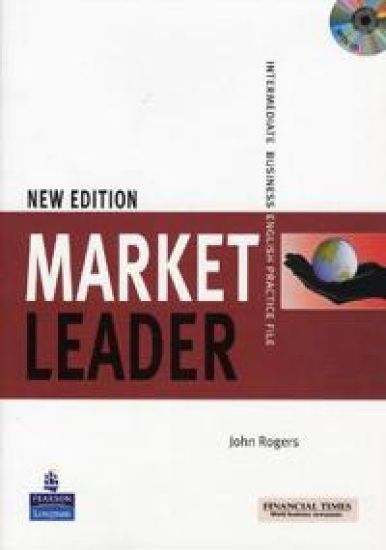
The Market Leader Practice File is the perfect way to extend the Market Leader course. It has extra grammar practice and a complete syllabus of business writing.
The Market Leader Practice File is the perfect way to extend the Market Leader course. It has extra grammar practice and a complete syllabus of business writing.
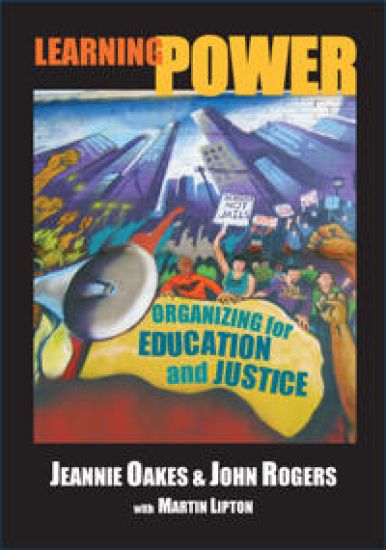
In cities across the nation, low-income African American and Latino parents hope that their children's education will bring a better life. But their schools, typically, are overcrowded, ill equipped, and shamefully under-staffed. Unless things change dramatically, more than half the students will never graduate and many will face a life of poverty-wage work. ""Learning Power"" documents a radical approach to school reform that includes: grassroots public activism informed by social inquiry as the best way to realize Brown v. Board of Education's promise of ""education on equal terms""; activist young people, teachers, parents, and community organizations working to improve schools in our nation's poorest neighborhoods; the voices, images, and actions of people who are organizing to fight for better schools; and a comprehensive critique of the prevailing logic of American schooling and an alternative logic based on justice and participatory democracy. Here are the best arguments against those who want to give up on public schools in America. Read ""Learning Power"" for clear examples of how ordinary people can influence schooling through their organizing and social critique.
The Market Leader Practice File is the perfect way to extend the Market Leader course. It has extra grammar practice and a complete syllabus of business writing.
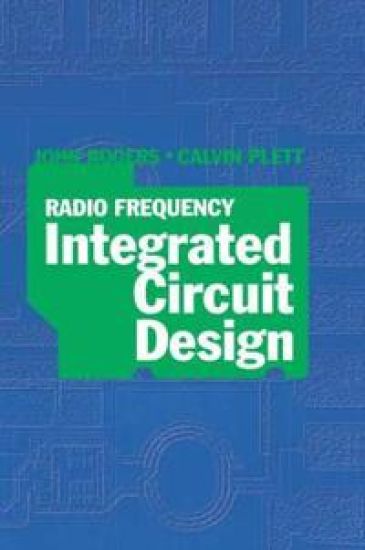
This reference offers practical explanations of the full range of radio frequency integrated circuits (RFICs). It focuses mainly on bipolar technology to demonstrate circuits, but CMOS is included as well. By emphasizing working designs, it seeks to transport the reader into the authors' own RFIC lab so that you can understand the function of each design detailed in the text. Among the RFIC designs examined are RF integrated LC-based filters, VCO automatic amplitude control loops, and fully-integrated transformer-based circuits, as well as image reject mixers and power amplifiers. If you are new to RFIC design, you should find the introduction to basic theory of interest so that you can quickly come up to speed on how RFICs perform and work together in a communications device. An examination of RFIC technology guides you in knowing when RFICs are the right choice for designing a communications device. This resource features over 400 equations and 500 illustrations that support key topics.
John Rogers here addresses the literary and ideological consequences of the remarkable, if improbable, alliance between science and politics in seventeenth-century England. He looks at the cultural intersection between the English and Scientific Revolutions, concentrating on a body of work created in a brief but potent burst of intellectual activity during the period of the Civil Wars, the Interregnum, and the earliest years of the Stuart Restoration. Rogers traces the broad implications of a seemingly outlandish cultural phenomenon: the intellectual imperative to forge an ontological connection between physical motion and political action.
In reminiscing about his early years on Minnesota's White Earth Reservation at the turn of the century, John Rogers reveals much about the life and customs of the Chippewas. He tells of food-gathering, fashioning bark canoes and wigwams, curing deerskin, playing games, and participating in sacred rituals. These customs were to be cast aside, however, when he was taken to a white school in an effort to assimilate him into white society. In the foreword to this edition, Melissa L. Meyer places Roger's memoirs within the story of the White Earth Reservation.