Kirjojen hintavertailu – 12 903 731 kirjaa ja 27 kauppaa

Kirjailija

John Ruscio

Kirjat ja teokset yhdessä paikassa: 4 kirjaa, julkaisuja vuosilta 2006–2009, suosituimpiin kuuluu Introduction to the Taxometric Method. Vertaile teosten hintoja ja tarkista saatavuus suomalaisista kirjakaupoista.

4 kirjaa

Kirjojen julkaisuvuodet: 2006–2009.

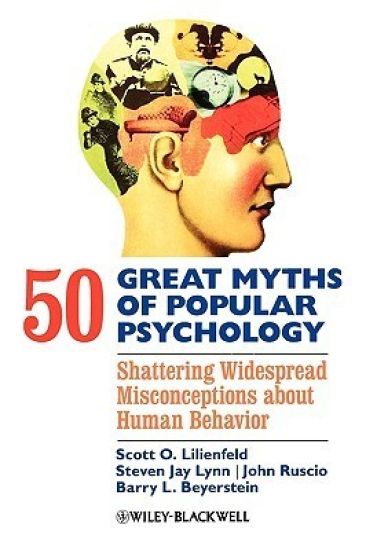
50 Great Myths of Popular Psychology

50 Great Myths of Popular Psychology

Scott O. Lilienfeld; Steven Jay Lynn; John Ruscio; Barry L. Beyerstein

Wiley-Blackwell (an imprint of John Wiley Sons Ltd)
2009
sidottu
50 Great Myths of Popular Psychology uses popular myths as a vehicle for helping students and laypersons to distinguish science from pseudoscience. Uses common myths as a vehicle for exploring how to distinguish factual from fictional claims in popular psychology Explores topics that readers will relate to, but often misunderstand, such as 'opposites attract', 'people use only 10% of their brains', and 'handwriting reveals your personality' Provides a 'mythbusting kit' for evaluating folk psychology claims in everyday life Teaches essential critical thinking skills through detailed discussions of each myth Includes over 200 additional psychological myths for readers to exploreContains an Appendix of useful Web Sites for examining psychological myths Features a postscript of remarkable psychological findings that sound like myths but that are true Engaging and accessible writing style that appeals to students and lay readers alike
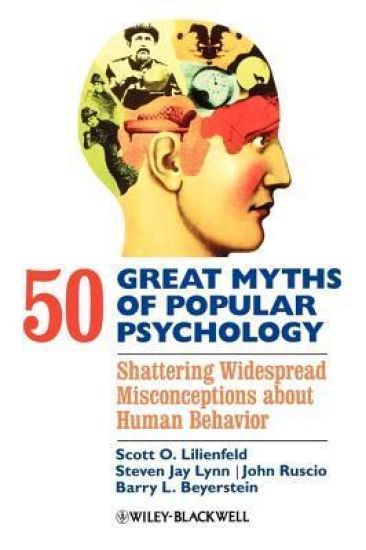
50 Great Myths of Popular Psychology

50 Great Myths of Popular Psychology

Scott O. Lilienfeld; Steven Jay Lynn; John Ruscio; Barry L. Beyerstein

Wiley-Blackwell (an imprint of John Wiley Sons Ltd)
2009
nidottu

Halvin toimitettuna 34,20 €

50 Great Myths of Popular Psychology uses popular myths as a vehicle for helping students and laypersons to distinguish science from pseudoscience. Uses common myths as a vehicle for exploring how to distinguish factual from fictional claims in popular psychology Explores topics that readers will relate to, but often misunderstand, such as 'opposites attract', 'people use only 10% of their brains', and 'handwriting reveals your personality' Provides a 'mythbusting kit' for evaluating folk psychology claims in everyday life Teaches essential critical thinking skills through detailed discussions of each myth Includes over 200 additional psychological myths for readers to exploreContains an Appendix of useful Web Sites for examining psychological myths Features a postscript of remarkable psychological findings that sound like myths but that are true Engaging and accessible writing style that appeals to students and lay readers alike
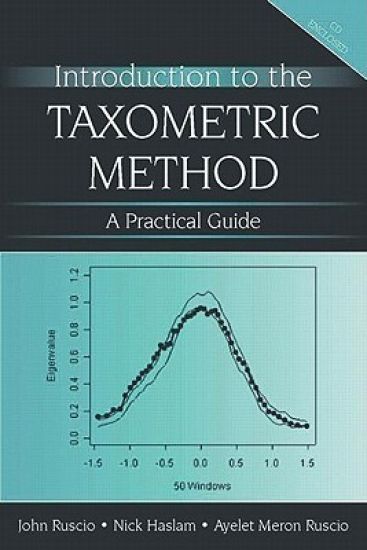
Introduction to the Taxometric Method

Introduction to the Taxometric Method

John Ruscio; Nick Haslam; Ayelet Meron Ruscio

Routledge Member of the Taylor and Francis Group
2006
nidottu
Introduction to the Taxometric Method is a user-friendly, practical guide to taxometric research. Drawing from both classic and contemporary research, it provides a comprehensive introduction to the method. With helpful tools and guidance, the book is intended to teach those new to the method, as well as those already familiar with it, tips on how to conduct and evaluate taxometric investigations. The book covers a broad range of analytic techniques, describing their logic and implementation as well as what is known about their performance from systematic study. The book opens with the background material essential to understanding the research problems that the taxometric method addresses. The authors then explain the data requirements of taxometric analysis, the logic of each procedure, factors that can influence results and lead to misinterpretations, suggestions for choosing the best procedures, and methodological safeguards to prevent erroneous conclusions. Illustrative examples of each procedure and consistency test demonstrate how to perform analyses and interpret results using a variety of data sets. A checklist of conceptual and methodological issues that should be addressed in any investigation is included. The downloadable resources provide a variety of programs for performing taxometric analyses along with simulations and analyses of data sets. Introduction to the Taxometric Method is ideal for researchers and students conducting or evaluating taxometric studies in the social and behavioral sciences, especially those in clinical and personality psychology, as well as those in the physical sciences, education, biology, and beyond. The book also serves as a text for courses on this method, or as a supplement in psychological assessment, statistics, or research methods courses. Familiarity with taxometrics is not assumed.
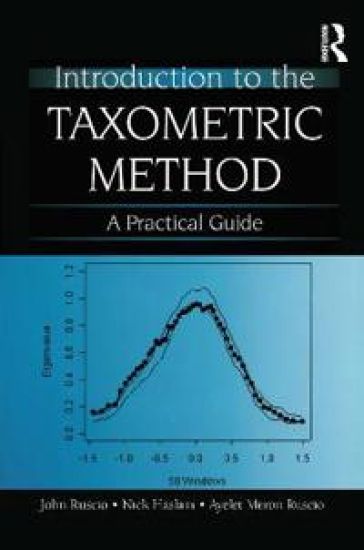
Introduction to the Taxometric Method

Introduction to the Taxometric Method

John Ruscio; Nick Haslam; Ayelet Meron Ruscio

Routledge Member of the Taylor and Francis Group
2006
sidottu
Introduction to the Taxometric Method is a user-friendly, practical guide to taxometric research. Drawing from both classic and contemporary research, it provides a comprehensive introduction to the method. With helpful tools and guidance, the book is intended to teach those new to the method, as well as those already familiar with it, tips on how to conduct and evaluate taxometric investigations. The book covers a broad range of analytic techniques, describing their logic and implementation as well as what is known about their performance from systematic study. The book opens with the background material essential to understanding the research problems that the taxometric method addresses. The authors then explain the data requirements of taxometric analysis, the logic of each procedure, factors that can influence results and lead to misinterpretations, suggestions for choosing the best procedures, and methodological safeguards to prevent erroneous conclusions. Illustrative examples of each procedure and consistency test demonstrate how to perform analyses and interpret results using a variety of data sets. A checklist of conceptual and methodological issues that should be addressed in any investigation is included. The downloadable resources provide a variety of programs for performing taxometric analyses along with simulations and analyses of data sets. Introduction to the Taxometric Method is ideal for researchers and students conducting or evaluating taxometric studies in the social and behavioral sciences, especially those in clinical and personality psychology, as well as those in the physical sciences, education, biology, and beyond. The book also serves as a text for courses on this method, or as a supplement in psychological assessment, statistics, or research methods courses. Familiarity with taxometrics is not assumed.