Kirjojen hintavertailu – 12 903 725 kirjaa ja 27 kauppaa

Kirjailija

John S. Allen

Kirjat ja teokset yhdessä paikassa: 8 kirjaa, julkaisuja vuosilta 2008–2020, suosituimpiin kuuluu Medical Anthropology: A Biocultural Approach. Vertaile teosten hintoja ja tarkista saatavuus suomalaisista kirjakaupoista.

8 kirjaa

Kirjojen julkaisuvuodet: 2008–2020.

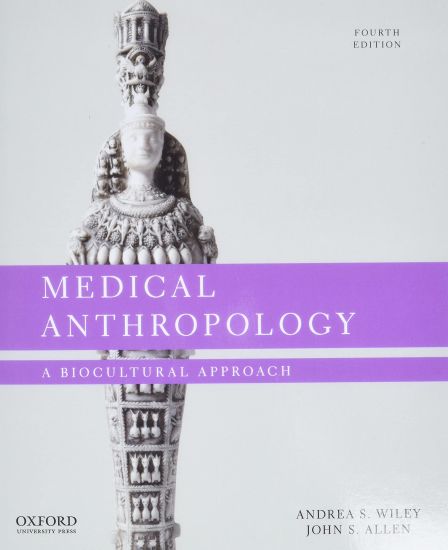
Medical Anthropology: A Biocultural Approach

Medical Anthropology: A Biocultural Approach

Andrea S. Wiley; John S. Allen

Oxford University Press
2020
nidottu
Medical Anthropology: A Biocultural Approach, Fourth Edition, offers an accessible and contemporary overview of this rapidly expanding field. For each health issue examined in the text, the authors first present basic biological information and then expand their analysis to include evolutionary, historical, and cross-cultural perspectives on how these issues emerged and are understood. Medical Anthropology considers how a biocultural approach can be applied to more effective prevention and treatment efforts and underscores medical anthropology's potential to improve health around the world.

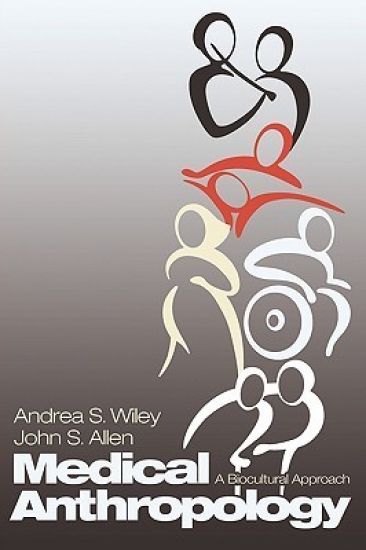
Medical Anthropology

Medical Anthropology

Andrea Wiley; John S. Allen

Oxford University Press Inc
2008
nidottu
Intended as the primary text for introductory courses on medical anthropology, this text integrates human biological data relevant to health and disease with both evolutionary theory and the social environments that more often than not produce major challenges to health and survival. Students who take this fastest-growing anthropology course come from a variety of disciplines (anthropology, biology, especially pre-med students, and health sciences, especially), so the text does not assume anything beyond a basic high-school level familiarity with human biology and anthropology. In addition to being the only current text that takes a biocultural approach, it provides a state-of-the-science review of selected topics and looks at the potential application of the biocultural anthropological approach to health interventions/prevention. Among the topics covered are nutrition, infectious disease, stress, reproductive health, behavioral disease, aging, race/racism and health, mental health, and healers and healing.
The Ford That Beat Ferrari

The Ford That Beat Ferrari

John S. Allen; Gordon J. Jones; Jacky Ickx

Evro Publishing
2019
sidottu
This new edition of a classic book tells the story of the celebrated Ford GT40 through a remarkable array of over 850 period photographs, many of them in colour. After Ford unsuccessfully attempted to buy Ferrari, in 1963, the American car giant instead embarked on its own racing programme in a bid to beat the famous Italian marque at the world's most prestigious race, the Le Mans 24 Hours, as told in the forthcoming Hollywood movie Ford v. Ferrari. The mission was eventually accomplished: Ford's challenger in this battle, the GT40, finished 1-2-3 at Le Mans in 1966 and won for the next three years as well. This book, originally published in 1985 and redesigned in 2005, is now available again due to popular demand, with further revision to keep the information up-to-date.
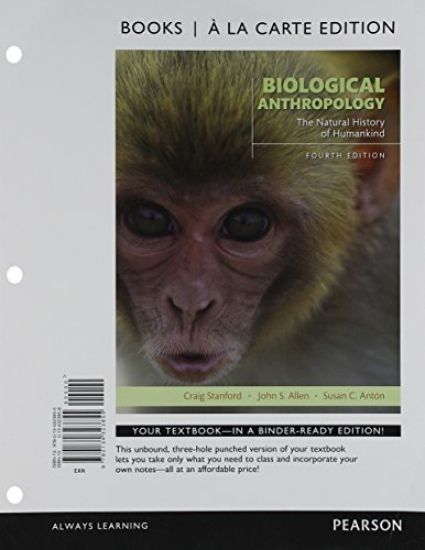
Biological Anthropology: The Natural History of Humankind, Books a la Carte Edition
NOTE: Before purchasing, check with your instructor to ensure you select the correct ISBN. Several versions of Pearson's MyLab & Mastering products exist for each title, and registrations are not transferable. To register for and use Pearson's MyLab & Mastering products, you may also need a Course ID, which your instructor will provide. Used books, rentals, and purchases made outside of Pearson If purchasing or renting from companies other than Pearson, the access codes for Pearson's MyLab & Mastering products may not be included, may be incorrect, or may be previously redeemed. Check with the seller before completing your purchase. "For courses in Biological AnthropologyThis package includes MyAnthroLab(r) " Present a rich overview of biological anthropology, from early foundations to recent innovations " Biological Anthropology: The Natural History of Humankind " combines comprehensive coverage of the foundations of the field with modern innovations and discoveries, helping students understand, and get excited about, the discipline. Because the authors conduct research in three of the main areas of biological anthropology the human fossil record (Susan Anton), primate behavior and ecology (Craig Stanford), and human biology and the brain (John Allen) they offer a specialist approach that engages students and gives them everything they need to master the subject. The Fourth Edition continues to present traditional physical anthropology within a modern Darwinian framework, and includes coverage of contemporary discoveries to highlight the ever-increasing body of knowledge in biological anthropology. Enhance learning with MyAnthroLab MyAnthroLab for the Biological Anthropology course extends learning online to engage students and improve results. Media resources with assignments bring concepts to life, and offer students opportunities to practice applying what they ve learned. Please note: this version of MyAnthroLab does not include an eText. "Biological Anthropology: The Natural History of Humankind," Fourth Edition is also available via REVEL, an interactive learning environment that enables students to read, practice, and study in one continuous experience. 013437794X / 9780134377940 Biological Anthropology: The Natural History of Humankind plus MyAnthroLab(r) for Biological Anthropology Access Card Package, 4/e Package consists of: 0134005694 / 9780134005690 Biological Anthropology: The Natural History of Humankind, 4/e 0134324404 / 9780134324401 MyAnthroLab for Biological Anthropology Access Card "
The Omnivorous Mind

The Omnivorous Mind

John S. Allen

Harvard University Press
2012
sidottu
In this gustatory tour of human history, John S. Allen demonstrates that the everyday activity of eating offers deep insights into human beings’ biological and cultural heritage. We humans eat a wide array of plants and animals, but unlike other omnivores we eat with our minds as much as our stomachs. This thoughtful relationship with food is part of what makes us a unique species, and makes culinary cultures diverse. Not even our closest primate relatives think about food in the way Homo sapiens does. We are superomnivores whose palates reflect the natural history of our species. Drawing on the work of food historians and chefs, anthropologists and neuroscientists, Allen starts out with the diets of our earliest ancestors, explores cooking’s role in our evolving brain, and moves on to the preoccupations of contemporary foodies. The Omnivorous Mind delivers insights into food aversions and cravings, our compulsive need to label foods as good or bad, dietary deviation from “healthy” food pyramids, and cross-cultural attitudes toward eating (with the French, bien sûr, exemplifying the pursuit of gastronomic pleasure). To explain, for example, the worldwide popularity of crispy foods, Allen considers first the food habits of our insect-eating relatives. He also suggests that the sound of crunch may stave off dietary boredom by adding variety to sensory experience. Or perhaps fried foods, which we think of as bad for us, interject a frisson of illicit pleasure. When it comes to eating, Allen shows, there’s no one way to account for taste.
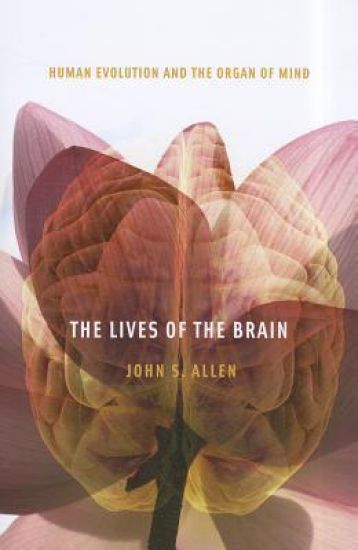
The Lives of the Brain

The Lives of the Brain

John S. Allen

The Belknap Press
2012
nidottu
Though we have other distinguishing characteristics (walking on two legs, for instance, and relative hairlessness), the brain and the behavior it produces are what truly set us apart from the other apes and primates. And how this three-pound organ composed of water, fat, and protein turned a mammal species into the dominant animal on earth today is the story John S. Allen seeks to tell. Adopting what he calls a “bottom-up” approach to the evolution of human behavior, Allen considers the brain as a biological organ; a collection of genes, cells, and tissues that grows, eats, and ages, and is subject to the direct effects of natural selection and the phylogenetic constraints of its ancestry. An exploration of the evolution of this critical organ based on recent work in paleo­anthropology, brain anatomy and neuroimaging, molecular genetics, life history theory, and related fields, his book shows us the brain as a product of the contexts in which it evolved: phylogenetic, somatic, genetic, ecological, demographic, and ultimately, cultural-linguistic. Throughout, Allen focuses on the foundations of brain evolution rather than the evolution of behavior or cognition. This perspective demonstrates how, just as some aspects of our behavior emerge in unexpected ways from the development of certain cognitive capacities, a more nuanced understanding of behavioral evolution might develop from a clearer picture of brain evolution.