Kirjojen hintavertailu – 12 903 725 kirjaa ja 27 kauppaa

Kirjailija

John Savage

Kirjat ja teokset yhdessä paikassa: 43 kirjaa, julkaisuja vuosilta 1996–2025, suosituimpiin kuuluu Eva. Vertaile teosten hintoja ja tarkista saatavuus suomalaisista kirjakaupoista.

43 kirjaa

Kirjojen julkaisuvuodet: 1996–2025.

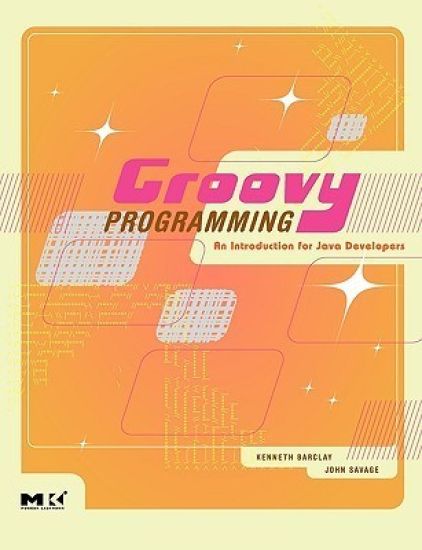
Groovy Programming

Groovy Programming

Kenneth Barclay; John Savage

Morgan Kaufmann Publishers In
2007
nidottu
Groovy Programming is an introduction to the Java-based scripting language Groovy. Groovy has much in common with popular scripting languages such as Perl, Python, and Ruby, but is written in a Java-like syntax. And, unlike these other languages, Groovy is sanctioned by the Java community for use on the Java platform. Since it is based on Java, applications written in Groovy can make full use of the Java Application Programmer Interfaces (APIs). This means Groovy can integrate seamlessly with applications written in Java, while avoiding the complexities of the full Java language. This bare-bones structure also means Groovy can be used as an introduction to Java and to programming in general. Its simpler constructions and modern origins make it ideal as a first language and for introducing principles such as object-oriented programming. This book introduces all the major aspects of Groovy development and emphasizes Groovy's potential as a learning tool. Case studies and exercises are included, along with numerous programming examples. The book begins assuming only a general familiarity with Java programming, and progresses to discuss advanced topics such as GUI builders, Groovlets, Unit Testing, and Groovy SQL.

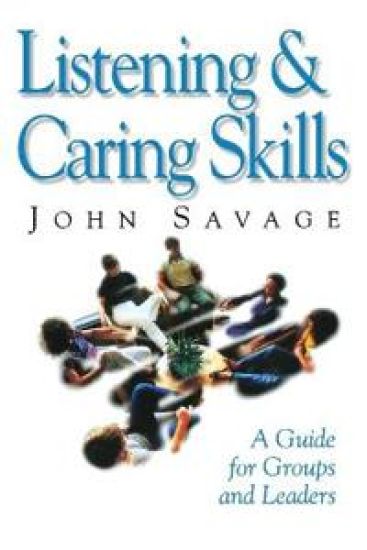
Listening and Caring Skills in Ministry
The secret to leadership and transformation of a group--or of another person--is the quality of the relationship one person has with another. The effective group leader or counselor will be the person who learns how to listen to other people. By studying and employing listening skills, church leaders will engage others more compassionately, allowing them to feel that their needs are being met. These skills can be used with persons who are terminally ill, inactive at church, going through a divorce, in a family with a severely ill person, unemployed, seeking a new church, grieving, traumatized by catastrophe, going through teenage adolescence, in marriage counseling, or leading a ministry team. John Savage offers eleven specific and teachable listening skills for improving relationships among those who do ministry in small-group settings or when offering counsel to others. The skills are taught through oral exercises and unfailingly helpful examples from actual congregational situations. The skills include paraphrasing, productive questions, perception check, expression of feelings and emotions, fogging, negative inquiry, behavior description, and story listening.