

Kirjailija
John Thornton
Kirjat ja teokset yhdessä paikassa: 66 kirjaa, julkaisuja vuosilta 1998–2025, suosituimpiin kuuluu The Kongolese Saint Anthony. Vertaile teosten hintoja ja tarkista saatavuus suomalaisista kirjakaupoista.
66 kirjaa
Kirjojen julkaisuvuodet: 1998–2025.


The Fruits Of The Spirit: Being A Comprehensive View Of The Principal Graces Which Adorn The Christian Character (1821)
John Thornton
KESSINGER PUBLISHING, LLC
2008
sidottu

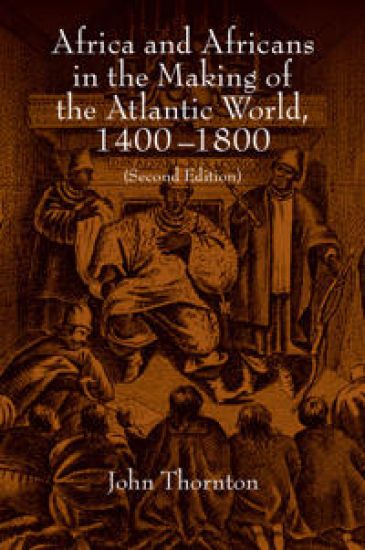
Africa and Africans in the Making of the Atlantic World, 1400–1800
John Thornton
Cambridge University Press
1998
pokkari
Halvin toimitettuna 40,30 €
This book explores Africa’s involvement in the Atlantic world from the fifteenth century to the eighteenth century. It focuses especially on the causes and consequences of the slave trade, in Africa, in Europe, and in the New World. African institutions, political events, and economic structures shaped Africa’s voluntary involvement in the Atlantic arena before 1680. Africa’s economic and military strength gave African elites the capacity to determine how trade with Europe developed. Thornton examines the dynamics of colonization which made slaves so necessary to European colonizers, and he explains why African slaves were placed in roles of central significance. Estate structure and demography affected the capacity of slaves to form a self-sustaining society and behave as cultural actors, transferring and transforming African culture in the New World.
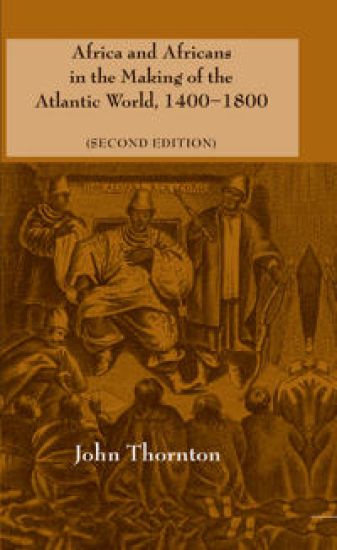
Africa and Africans in the Making of the Atlantic World, 1400–1800
John Thornton
Cambridge University Press
1998
sidottu
This book explores Africa's involvement in the Atlantic world from the fifteenth century to the eighteenth century. It focuses especially on the causes and consequences of the slave trade, in Africa, in Europe, and in the New World. African institutions, political events, and economic structures shaped Africa's voluntary involvement in the Atlantic arena before 1680. Africa's economic and military strength gave African elites the capacity to determine how trade with Europe developed. Thornton examines the dynamics of colonization which made slaves so necessary to European colonizers, and he explains why African slaves were placed in roles of central significance. Estate structure and demography affected the capacity of slaves to form a self-sustaining society and behave as cultural actors, transferring and transforming African culture in the New World.