Kirjojen hintavertailu – 12 903 725 kirjaa ja 27 kauppaa

Kirjailija

John W Staley

Kirjat ja teokset yhdessä paikassa: 3 kirjaa, julkaisuja vuosilta 2020–2024, suosituimpiin kuuluu Teaching Mathematics for Social Justice, Grades K-12. Vertaile teosten hintoja ja tarkista saatavuus suomalaisista kirjakaupoista.

3 kirjaa

Kirjojen julkaisuvuodet: 2020–2024.

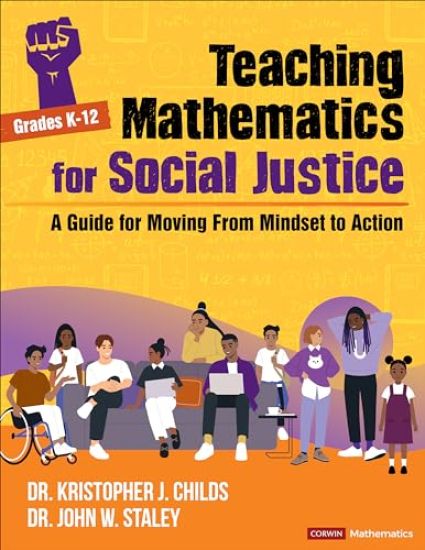
Teaching Mathematics for Social Justice, Grades K-12

Teaching Mathematics for Social Justice, Grades K-12

Kristopher J. Childs; John W Staley

SAGE PUBLICATIONS INC
2024
nidottu
Your journey to becoming a social justice mathematics educator begins here. Every journey has a beginning—a starting point—where you take a moment to set your sights on your next destination carefully. Teaching mathematics for social justice (TMSJ) means reimagining your mathematics classroom in a way that serves more children better–as a place that lifts mathematics up as a tool for students to analyze and understand the worlds around them, celebrate their unique identities and their communities, and become agents of change. For any K-12 educator who values these goals Teaching Mathematics for Social Justice, Grades: A Guide for Moving from Mindset to Action can be the start of a transformational journey. Guiding you in planning, implementing, assessing, and showcasing social justice mathematics lessons and helping children apply their learning beyond the classroom, this book: Encourages self-reflection on the "why" of your teaching and examines your own mindset about mathematicsProvides a step-by-step action plan for creating equitable and socially just mathematics classrooms that focus on rich and collaborative mathematics learningIncorporates interactive reflection prompts, self-assessments, and activities throughout the journeyDescribes culturally responsive teaching practices to better respond to the instructional needs of the diverse individuals in your classroomOffers activities to identify what current events and social issues are important to children and their familiesInspires you to remain steadfast in their journey of growth toward becoming a social justice mathematics educator Complete with sample lessons, online resources, and practical tools, this guide will empower you to better understand the children in your classroom, leverage their strengths, and make mathematics learning relevant and useful as they use mathematics to address the issues they care about. Start your journey towards becoming a social justice mathematics educator today.
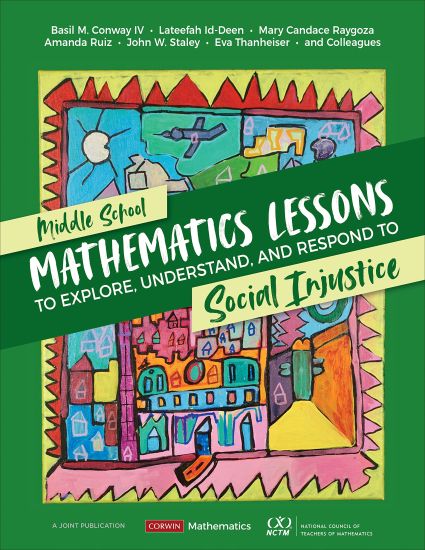
Middle School Mathematics Lessons to Explore, Understand, and Respond to Social Injustice

Middle School Mathematics Lessons to Explore, Understand, and Respond to Social Injustice

Basil M. Conway; Lateefah Id-Deen; Mary Candace Raygoza; Amanda Ruiz; John W Staley; Eva Thanheiser

SAGE PUBLICATIONS INC
2022
nidottu
"If you teach middle school math and have wanted to promote social justice, but haven’t been sure how to get started, you need to check out this book. It incorporates lessons you can use immediately as well as how to foster the kind of classroom community where students will thrive. It’s the kind of book you’ll want to have alongside you to support you throughout your journey." Robert Kaplinsky Author and Consultant Long Beach, CA Empower young adolescents to be the change—join the teaching mathematics for social justice movement! Students of all ages and intersecting identities—through media and their lived experiences— bear witness to and experience social injustices and movements around the world for greater justice. However, when people think of social justice, mathematics rarely comes to mind. With a user-friendly design, this book brings middle school mathematics content to life by connecting it to issues students see or experience. Developed for use by Grades 6-8 educators, the contributed model lessons in this book walk teachers through the process of applying critical frameworks to instruction, using standards-based mathematics to explore, understand, and respond to social injustices. Learn to plan daily instruction that engages young adolescents in mathematics explorations through age-appropriate, culturally relevant topics such as health and economic inequality, human and civil rights, environmental justice, and accessibility. Features include: Content cross-referenced by mathematical concept and social issuesConnection to Learning for Justice’s social justice standardsDownloadable teacher materials and lesson resourcesGuidance for lessons driven by young adolescents’ unique passions and challengesConnections between research and practice Written for teachers committed to developing equitable and empowering practices through the lens of mathematics content and practice standards as well as social justice standards, this book will help connect content to young adolescents’ daily lives, strengthen their mathematical understanding, and expose them to issues that will support them in becoming active agents of change and responsible leaders.
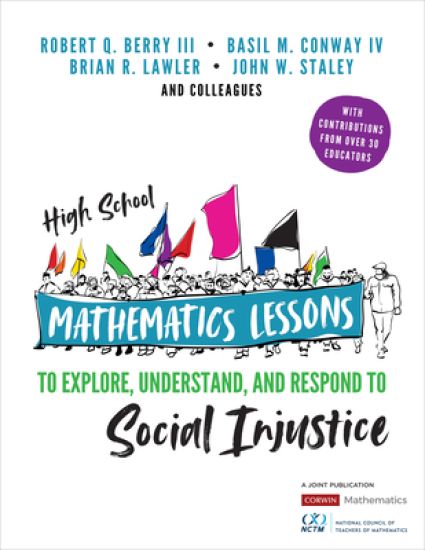
High School Mathematics Lessons to Explore, Understand, and Respond to Social Injustice

High School Mathematics Lessons to Explore, Understand, and Respond to Social Injustice

Robert Q Berry; Basil M. Conway; Brian R. Lawler; John W Staley

SAGE Publications Inc
2020
nidottu
Empower students to be the change—join the teaching mathematics for social justice movement! We live in an era in which students have —through various media and their lived experiences— a more visceral experience of social, economic, and environmental injustices. However, when people think of social justice, mathematics is rarely the first thing that comes to mind. Through model lessons developed by over 30 diverse contributors, this book brings seemingly abstract high school mathematics content to life by connecting it to the issues students see and want to change in the world. Along with expert guidance from the lead authors, the lessons in this book explain how to teach mathematics for self- and community-empowerment. It walks teachers step-by-step through the process of using mathematics—across all high school content domains—as a tool to explore, understand, and respond to issues of social injustice including: environmental injustice; wealth inequality; food insecurity; and gender, LGBTQ, and racial discrimination. This book features: Content cross-referenced by mathematical concept and social issuesDownloadable instructional materials for student useUser-friendly and logical interior design for daily useGuidance for designing and implementing social justice lessons driven by your own students’ unique passions and challenges Timelier than ever, teaching mathematics through the lens of social justice will connect content to students’ daily lives, fortify their mathematical understanding, and expose them to issues that will make them responsive citizens and leaders in the future.