Kirjojen hintavertailu – 12 903 735 kirjaa ja 27 kauppaa

Kirjailija

John Weal

Kirjat ja teokset yhdessä paikassa: 28 kirjaa, julkaisuja vuosilta 1995–2016, suosituimpiin kuuluu Bf 109 Defence of the Reich Aces. Vertaile teosten hintoja ja tarkista saatavuus suomalaisista kirjakaupoista.

28 kirjaa

Kirjojen julkaisuvuodet: 1995–2016.

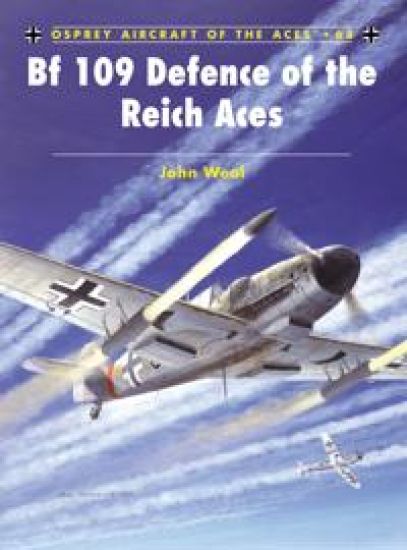
Bf 109 Defence of the Reich Aces

Bf 109 Defence of the Reich Aces

John Weal

Osprey Publishing
2006
nidottu
Luftwaffe aces explain their tactics and relate their experiences during the bloody campaign known as the Defence of the Reich. Their missions changed from waiting for the short-range Allied fighter escorts to turn back before attacking the bomber formations, to see-saw battles for aerial supremacy against long-range P-51s defending US heavy bomber streams. The story - based on personal accounts and official records from both sides - is predominantly that of the Bf 109's struggle to defeat the US Eighth Air Force (although latterly both the 'mediums' of the US Ninth Air Force and the 'heavies' of RAF Bomber Command were also active by day over Germany).
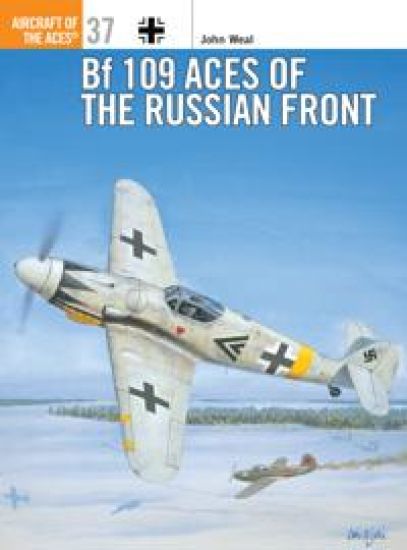
Bf 109 Aces of the Russian Front

Bf 109 Aces of the Russian Front

John Weal

Osprey Publishing
2001
nidottu
The highest scoring aces of any aerial conflict were the Luftwaffe pilots involved in the bloody combats on the Russian Front. The most common fighter used by these pilots was the Bf 109, which was involved in the action from Operation Barbarossa in June 1941, through to the doomed Defence of the Reich in 1945. Units like JGs 5, 52 and 54 all flew the Messerschmitt fighter, progressing from Emil to Gustav variants. This volume includes all the high-scoring aces, and explains just how difficult a job the Jagdwaffe faced on the Russian Front, and how its experts achieved such overwhelming scores.
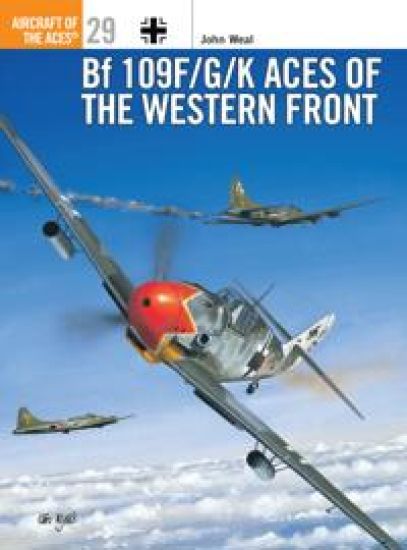
Bf 109 F/G/K Aces of the Western Front

Bf 109 F/G/K Aces of the Western Front

John Weal

Osprey Publishing
1999
nidottu
The follow-on volume to Osprey Aircraft of the Aces 11 Bf 109D/E Aces 1939-41, this book charts the story of the myriad aces who flew the later marks of Messerschmitt fighter through to VE-Day. As good as the Emil had been during the opening 18 months of the war, the aircraft was being progressively bettered in virtually all aspects of aerial combat by the Spitfire come 1941, so Messerschmitt updated and improved the breed, firstly with the introduction of the Friedrich and then the multi-variant Gustav.
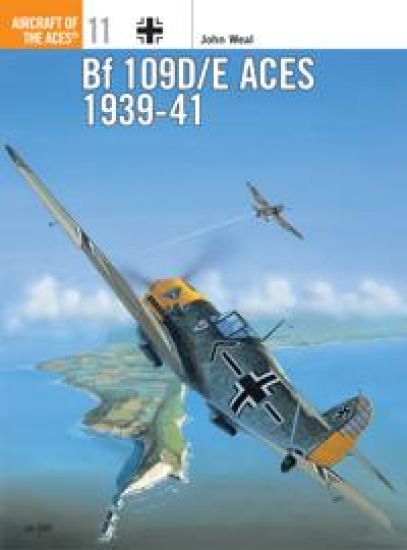
Bf 109D/E Aces 1939–41

Bf 109D/E Aces 1939–41

John Weal

Osprey Publishing
1996
nidottu
The period covered in this volume was considered to be the 'glory years' for the Jagdwaffe fresh from the experience gained in the Spanish Civil War and for the Bf 109 in particular. Many famous pilots scored their first kills in the classic dogfights staged over Poland, Western Europe, the Channel and finally southern England. Some 40 Knight's Crosses were awarded in 1940 alone. However, after sweeping all before them in support of the Blitzkrieg across continental Europe, the Bf 109E pilots were to suffer badly during the Battle of Britain, the result of poor tactics inflicted upon them by the Luftwaffe High Command, and their mount's less then generous range.
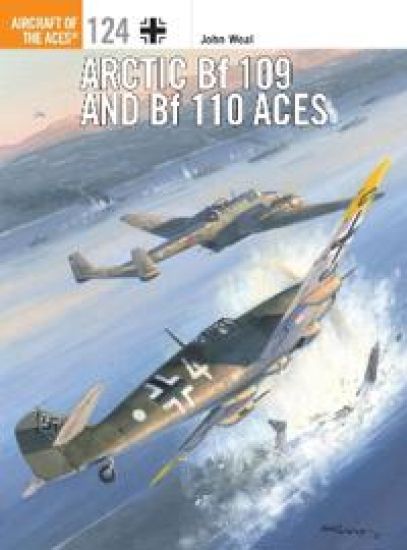
Arctic Bf 109 and Bf 110 Aces

Arctic Bf 109 and Bf 110 Aces

John Weal

Osprey Publishing
2016
nidottu
Operating astride and above the Arctic Circle, Luftwaffe pilots fought an isolated and almost self-contained war facing environmental challenges in freezing skies that set their experiences apart from those of any other pilots in World War 2. Once Nazi Germany had conquered Norway in 1940, just a handful of Gruppen flying the Bf 109 and Bf 110 fighters were able to shatter all opposition and dominate the air in the Arctic Circle. Yet as the dual threats of the RAF and the Red Air Force grew, the Luftwaffe was forced to increase its fighter presence to full Geschwader strength with the formation of JG 5 Eismeer (Ice-sea) in early 1942. The struggle for the frozen skies of the arctic raged on until the end of the war as the embattled JG 5 produced some of the Eastern Front's leading aces, pilots of the calibre of Theodor Weissenberger, Heinrich Ehrler, Walter Schuck, Franz Dörr and Jakob Norz all achieving over 100 kills. Featuring first-hand accounts from the pilots, extensive research from a leading authority on the Luftwaffe, and illustrations of the aircraft in unique winter camouflage, this book is a comprehensive guide to the Arctic Experten and the planes they flew.
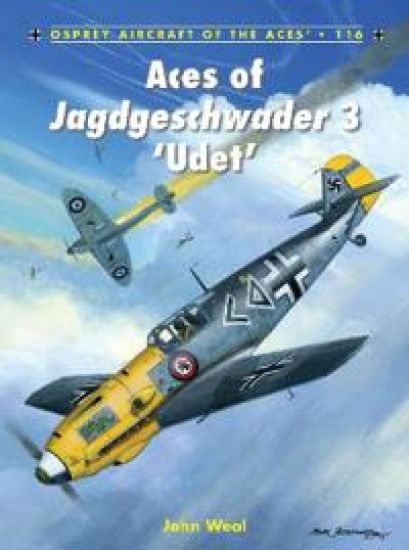
Aces of Jagdgeschwader 3 'Udet'

Aces of Jagdgeschwader 3 'Udet'

John Weal

Osprey Publishing
2013
nidottu
An illustrated history of JG 3, which flew every major variant of the two legendary German wartime fighters, the Messerschmitt Bf 109 and the Focke-Wulf Fw 190. Jagdgeschwader 3 may not have the same immediate resonance as some of the more famous Luftwaffe fighter units, such Jagdgeschwader 2 ‘Richthofen’, but it is arguably the archetypal German fighter formation of World War 2. Not only did it participate in every campaign fought by the Luftwaffe (with the exceptions of Poland and Norway), during the course of the hostilities it numbered among its ranks more than 70 Knight’s Cross winners (a total exceeded by only one other Jagdgeschwader). Against the backdrop of the historic battles of Britain, Stalingrad, Kursk, Normandy, the Ardennes and Berlin – this illustrated history portrays the multitude of stories, exploits and ultimate fates of the many aces themselves, from the now unknown trio who achieved their first five kills during the Blitzkrieg in France in the late spring/early summer of 1940 to the nearly two-dozen highly acclaimed and lauded ‘centurions’ who flew with JG 3.
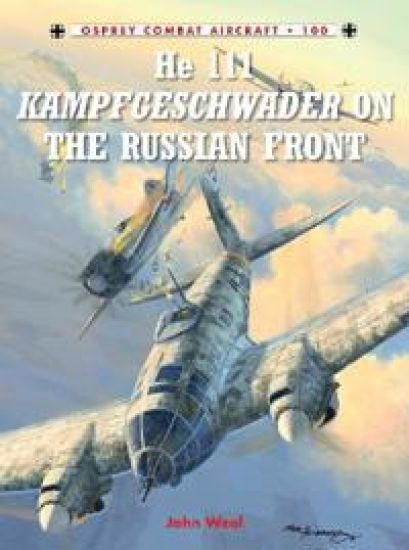
He 111 Kampfgeschwader on the Russian Front
An illustrated combat history of the He 111, with its distinctive glazed nose, which came to symbolise the German mastery of the skies in the early war years, especially the Russian campaign. The twin-engined He 111 was the mainstay of the Luftwaffe’s bomber arm at the start of World War ll. Accompanied by the Ju 87 Stuka dive-bomber, it provided the aerial striking power for all the early Blitzkrieg campaigns, sweeping all before it throughout the first 12 months of hostilities. Although it was found wanting when faced by the RAF during the Battle of Britain, it gained new renown on the Eastern Front. The He 111 bomber was in action against the Russians from the first day of the war until the last. Alongside stunning illustrations, this book explores the aircraft's part in all the major battles in a wide variety of roles, including operating as a strategic bomber, torpedo-bomber (over both the Arctic Ocean and the Black Sea), train-buster, interim nightfighter and, latterly, as an auxiliary transport.
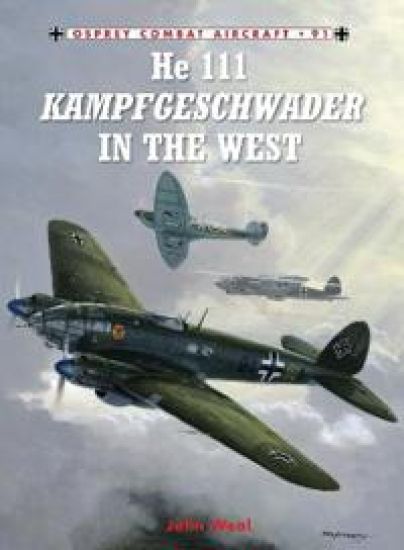
He 111 Kampfgeschwader in the West

He 111 Kampfgeschwader in the West

John Weal

Osprey Publishing
2012
nidottu
Originally designed in the mid-1930s as a fast airliner that could be easily adapted for the bombing role, the He 111 first saw action in Spain with the Legion Condor during the civil war. By the time Germany invaded Poland, more than 700 were in service with the Luftwaffe's Kampfgeschwadern, and they were used with devastating effect during the fall of Poland and France. However, the He 111 met its match during the Battle of Britain when over 240 were lost. It then became a night-time pathfinder, guiding in the bigger bombers during the Blitz. Elsewhere, He 111s filled a number of roles including acting as torpedo bombers against convoys and as reconnaissance platforms. This book charts the full story of the deployment of the He 111 in the western theatre of Word War II, including their last missions as V-1 Doodlebug launch platforms.
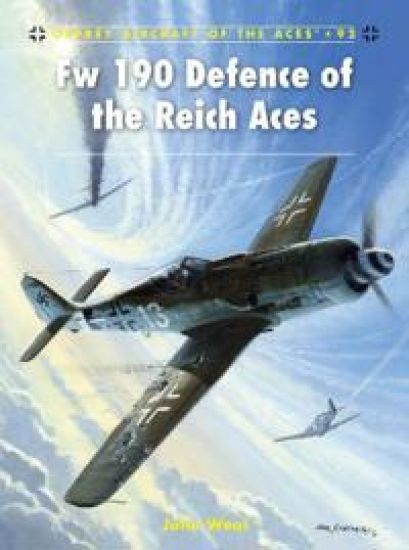
Fw 190 Defence of the Reich Aces

Fw 190 Defence of the Reich Aces

John Weal

Osprey Publishing
2011
nidottu
The Defence of the Reich campaign completes Osprey's coverage of the German aces that flew the Fw 190 during World War 2. Renowned aviation author and artist, John Weal, presents the last volume of Fw 190 Aces not previously covered in the Aircraft of the Aces series. From mid-1942 until the end of the war, German fighter pilots were deployed in the defence of the homeland in an effort to halt the near-constant bombing raids by Britain and America. This book tells their story, from the moment when the Luftwaffe began to retreat to the dying days of the Reich. Using previously unpublished photographs, this book charts the story of the men who earned their status as aces while fighting a hopeless battle to protect the land and the people they loved.
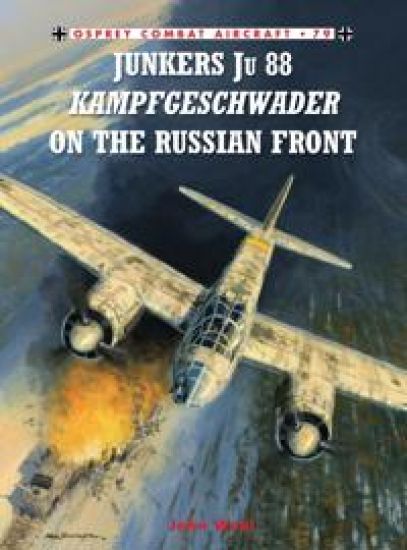
Junkers Ju 88 Kampfgeschwader on the Russian Front
The Ju 88, Wunderbomber was the main punch of the Luftwaffe's bomber arm during the initial invasion of the Soviet Union and went on to provide critical ground support to the advancing Wehrmacht. This book tells the complete story of the Ju 88's activities on the Eastern Front including their participation in the campaign against the arctic convoys and the several variants employed. Written and illustrated by renowned Luftwaffe expert John Weal, this book completes Osprey's trilogy on one of the most important German aircraft of World War II.
Junkers Ju 88 Kampfgeschwader in North Africa and the Mediterranean
This volume follows the Luftwaffe's twin-engined 'Wunderbomber' southwards to describe its deployment in North Africa and the Mediterranean theatre of war. Early 1941 saw the first sporadic air raids on Malta, followed by the campaign in the Balkans which resulted in the conquests of Yugoslavia, Greece and Crete. After supporting land operations in North Africa during the latter half of 1941, the Ju 88s resumed their assault on Malta. Bringing the story to life are personal accounts of the more famous actions - the bombing of shipping off the coast of Greece and the sinking of three Royal Navy destroyers south of Crete, all illustrated with rare photographs and full-colour profiles.
Junkers Ju 87 Stukageschwader of the Russian Front
This final volume of the Osprey trilogy on the Luftwaffe dive-bomber charts its fortunes in the toughest theatre of all: the Eastern Front. Written by John Weal, a leading authority on the Luftwaffe, this book examines how, following its comprehensive defeat over the English Channel in the summer of 1940, the Stuka was able to restore its fearsome reputation over the Eastern Front.
Jagdgeschwader 53 'Pik-As'

Jagdgeschwader 53 'Pik-As'

John Weal

Osprey Publishing
2007
nidottu
Arguably the archetypal Luftwaffe fighter unit of World War 2, JG 53 aircraft were encountered on almost every fighting front from the first day of hostilities until the last. During almost six years of near-constant campaigning, JG 53 took a steady toll of Allied aircraft in every theatre it fought over. The variety of camouflage finishes worn by its machines -winter white, desert dapple and Reich's defence black - and the progression of variants are reflected in an eye-opening colour section. John Weal has spent several years researching in German archives and this, together with his personal contact with several veterans, results in an authoritative and human account of JG 53's long and eventful war.
More Bf 109 Aces of the Russian Front

More Bf 109 Aces of the Russian Front

John Weal

Osprey Publishing
2007
nidottu
The four-year long Eastern Front campaign fought between Germany and the Soviet Union produced not only the greatest number of aces, but also the highest individual and unit scores ever recorded in the history of aerial warfare. An ideal complement to its bestselling predecessor, this fully illustrated volume covers the Luftwaffe fighter pilots credited with scores of between 50 and 100; every single one of them amassing a greater number of victories than the highest and most celebrated of any British or American World War II ace. Despite these huge personal totals, the names of these pilots who fought against the Red Air Force remain almost unknown to many English speaking readers. "More Bf 109 Aces of the Russian Front" rectifies that omission, providing first-hand accounts from the combat veterans themselves, as well as never-before published photographs, vividly conveying the terrible experiences of the protagonists in this difficult theatre of war.
Jagdgeschwader 51 ‘Mölders’

Jagdgeschwader 51 ‘Mölders’

John Weal

Osprey Publishing
2006
nidottu
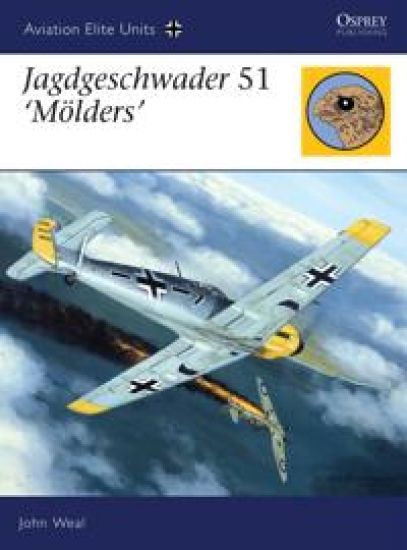
JG 51 is another of the Luftwaffe's top wartime fighter units whose story has never been told in English. The unit's history encapsulates the fortunes of the Luftwaffe's fighter arm as a whole - the heady successes of the early months, the steady attrition and the growing strength of the opposition during the mid-war years, and the final chaos and collapse of the last days. The story works on other levels too. But it is perhaps the details of the pilots who served with the unit that sets JG 51 apart. During the course of the war it numbered more Knight's Cross winners among its ranks than any other. And it is their stories - their successes, exploits and eventual fates - which brings this history to life.
Luftwaffe Sturmgruppen

Luftwaffe Sturmgruppen

John Weal

Osprey Publishing
2005
nidottu
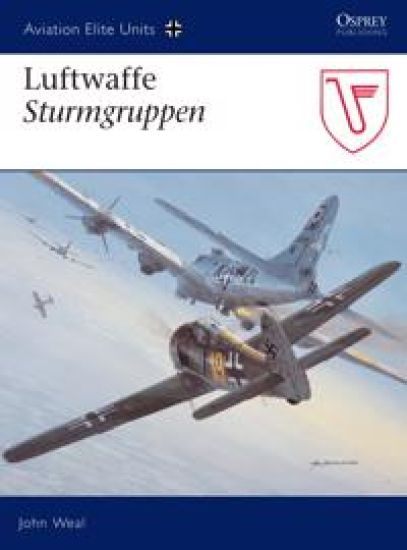
By the spring of 1944, hundreds of American heavy bombers were venturing deep into occupied Europe, escorted by ever increasing numbers of Mustangs, Thunderbolts and Lightnings. In a desperate attempt to deal a single knock-out blow to the Allied daylight bomber offensive, an outstanding band of Luftwaffe fighter pilots volunteered to be organised into elite bomber destroyer units known as Sturmgruppen, or 'assault wings'. Pilots in these units were trained to engage the enemy in close-quarter combat. Through first-hand accounts and rare archival photography, this book chronicles the brief but violent career of the Sturmgruppen during the dark days of 1944.
Jagdgeschwader 52

Jagdgeschwader 52

John Weal

Osprey Publishing
2004
nidottu
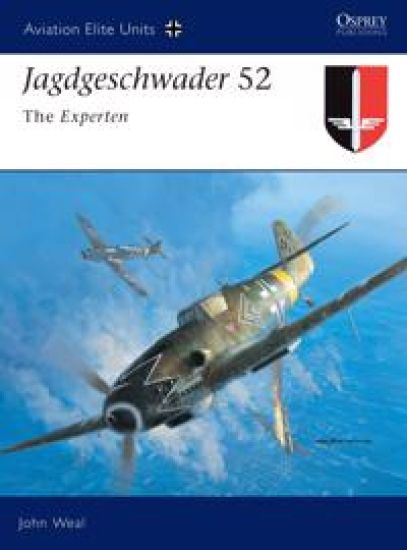
Jagdgeschwader 52 (JG 52) was the most successful and highest-scoring fighter unit, not just in Germany's World War 2 Luftwaffe, but in the entire annals of aviation history. No other fighter group has ever come close to matching its staggering total of around 9000 enemy aircraft shot down in combat. And yet, because much of that combat took place over the tractless wastes of the Russian front, very little has been written in English about the exploits of this charismatic unit. This book provides a full combat history of JG 52 and its members, including the three top-scoring aces of all time, who claimed a total of 900 victories between them.
Luftwaffe Schlachtgruppen

Luftwaffe Schlachtgruppen

John Weal

Osprey Publishing
2003
nidottu
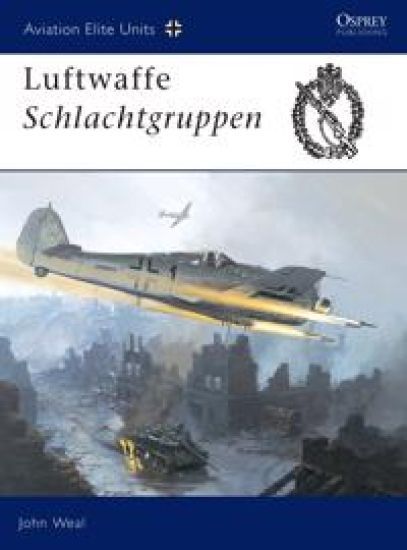
One of the most important, and yet least publiscised, components of the front-line Luftwaffe was the Schlacht, or ground attack, arm. This book details the Schlacht units who were in the thick of the fighting from the first day of the war until the last. They played a vital part in the heady successes of the early Blitzkrieg campaigns and went on to perform an equally essential role in the dark hours of last ditch defence and ultimate defeat. In between, they fought in all defensive battles: on the eastern front at Stalingrad, Kursk and Berlin; in the west, by night, over Normandy, the Ardennes and the Rhine.
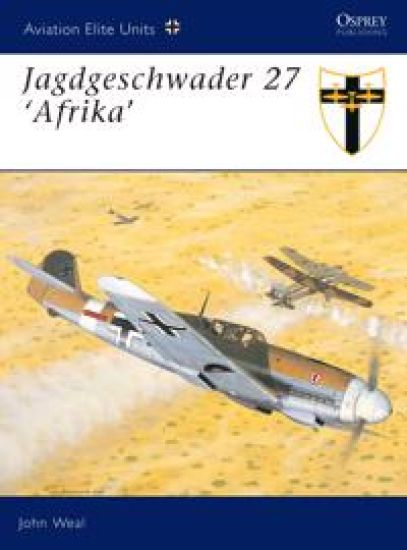
Jagdgeschwader 27 ‘Afrika’

Jagdgeschwader 27 ‘Afrika’

John Weal

Osprey Publishing
2003
nidottu
Synonymous with the Afrika Korps and the campaign in North Africa, JG 27 provided Rommel's army with fighter protection for virtually the whole 'roller coaster ride that was the war in the Western Desert from 1941-43. Formed in Germany on 1 October 1939 (with Adolf Galland as CO of I. Gruppe), JG 27 saw considerable action both during the Battles of France and Britain, downing 146 aircraft in the latter campaign alone. Sent to North Africa in April 1941, the geschwader had an immediate impact on the campaign, which had up until then been dominated by the Allies. The third volume in the Aviation Elite series on a German fighter geschwader, this book will once again prove popular with Luftwaffe enthusiasts and hobbyists alike.
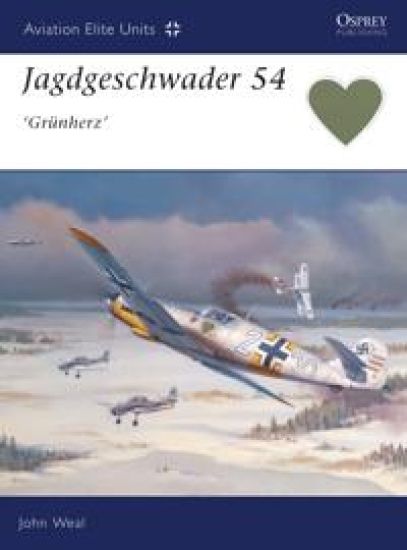
Jagdgeschwader 54 'Grünherz'

Jagdgeschwader 54 'Grünherz'

John Weal

Osprey Publishing
2001
nidottu
One of the most successful of the high-scoring Luftwaffe Jagdgeschwader during World War II, JG 54 "Grunherz" ("Green Hearts") was formed from three disparate fighter "Gruppen" immediately prior to the Battle of Britain. Having enjoyed immediate success over the Channel and south-east England during the summer of 1940, the unit was transferred to the Eastern Front in the spring of 1941 in preparation for Operation Barbarossa - the German invasion of the Soviet Union. JG 54 remained a Jagdwaffe stalwart in the east, flying firstly Bf 109Fs and then the Fw 190. By the war's end, the Geschwader's pilots had claimed over 9500 kills, and produced over 100 aces. Men like Hans Philipp, Walter Nowotny and Otto Kittel are profiled in this volume, which reveals the struggle in the face of overwhelming odds that was the lot of the Jagdflieger on the Eastern Front.