

Kirjailija
Jonathan Brooks
Kirjat ja teokset yhdessä paikassa: 5 kirjaa, julkaisuja vuosilta 2012–2026, suosituimpiin kuuluu Jimmy Makes the Varsity. Vertaile teosten hintoja ja tarkista saatavuus suomalaisista kirjakaupoista.
5 kirjaa
Kirjojen julkaisuvuodet: 2012–2026.

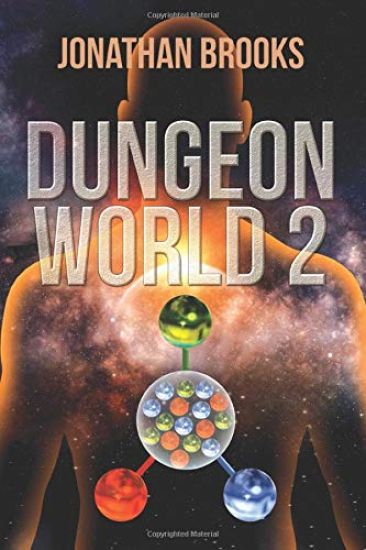
Fred did something bad. He didn't intend to do it, but the destruction of a dungeon core - accident or otherwise - will likely result in horrific consequences for anyone connected with the crime. And not for just the perpetrators; everyone around them will suffer vengeful retribution from the nearby cores for the unthinkable act. Knowing that his mistake will end up endangering his new friends, the townspeople of Gatecross, and even his Guild, Core Power, Fred decides to do whatever he can to protect them. After he absorbed the Nature Core, he unlocked the ability to establish a territory and create his very own dungeon - a dungeon which will hopefully provide the defense they need to survive against the expected fight to come. Unfortunately, the Nature Faction isn't the only one that learned about Fred's crime. The Dungeon Adventurer Syndicate, under the authority of the Craytion Kingdom, has sent a powerful group to investigate... Contains LitRPG/GameLit elements such as statistics and leveling. No harems and no profanity.
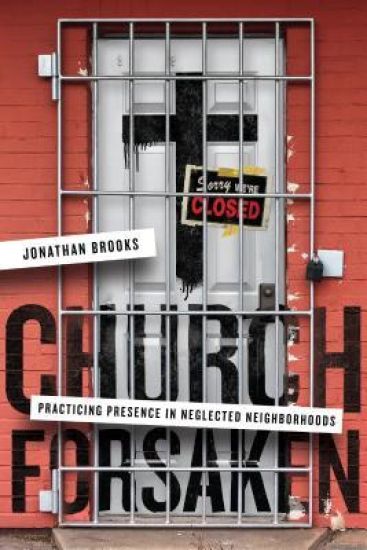
Church Forsaken – Practicing Presence in Neglected Neighborhoods
Jonathan Brooks; Sho Baraka
IVP Books
2018
nidottu
"There are no God-forsaken places, just church-forsaken places." —Jon Fuller, OMF International Jonathan Brooks was raised in the Englewood neighborhood on the south side of Chicago. As soon as he was able, he left the community and moved as far away as he could. But through a remarkable turn of events, he reluctantly returned and found himself not only back in Englewood but also serving as a pastor ("Pastah J") and community leader. In Church Forsaken, Brooks challenges local churches to rediscover that loving our neighbors means loving our neighborhoods. Unpacking the themes of Jeremiah 29, he shows how Christians can be fully present in local communities, building homes and planting gardens for the common good. His holistic vision and practical work offers good news for forgotten people and places. And community stakeholders and civic leaders will rediscover that churches are viable partners in community transformation in ways that they may never have considered. God has always been at work in neglected neighborhoods. Join Pastah J on this journey and discover new hope for your community.
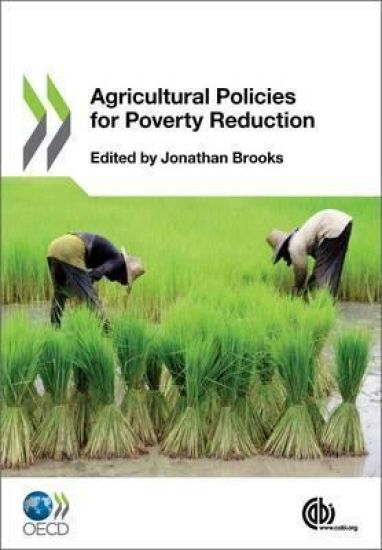
This study addresses the role of agricultural policies in raising incomes in developing countries. Higher incomes are essential for sustained progress on the first Millennium Development Goal (MDG1), which calls for the eradication of extreme poverty and hunger, and includes a specific target of reducing by 50% between 1990 and 2015 the proportion of people living on less than a dollar a day. The aim is to identify ways in which the appropriate set of policies may vary according to a country's stage of development. A synthesis volume will also be published for policy makers. With more than two-thirds of the world's poor living in rural areas, higher rural incomes are needed to sustain poverty reduction and reduce hunger. This volume sets out a strategy for raising rural incomes which emphasises the need to create diversified rural economies with opportunities within and outside agriculture. This means adopting policies that facilitate rather than impede structural change and integrate agricultural policies within the overall mix of policies and institutional reforms that are needed. By investing in public goods, such as infrastructure and agricultural research, and by building effective social safety nets, governments can reduce the pressures related to less efficient policies such as price controls and input subsidies.