Kirjojen hintavertailu – 12 903 725 kirjaa ja 27 kauppaa

Kirjailija

Jonathan E. Martin

Kirjat ja teokset yhdessä paikassa: 9 kirjaa, julkaisuja vuosilta 2006–2023, suosituimpiin kuuluu Reinventing Crediting for Competency-Based Education. Vertaile teosten hintoja ja tarkista saatavuus suomalaisista kirjakaupoista.

9 kirjaa

Kirjojen julkaisuvuodet: 2006–2023.

Noncognitive Skill Assessment in School

Noncognitive Skill Assessment in School

Richard D. Roberts; Jonathan E. Martin; Jeremy Burrus

Routledge
2023
sidottu
Noncognitive skills have long been understood to matter in school, workforce, and life—though means to measures these skills have not been formalized by test makers and measurement experts. In this groundbreaking book, Richard Roberts and Jonathan Martin draw together the latest research on the assessment, support, and development of noncognitive skills in schools. With case studies that clearly demonstrate the value of noncognitive skills, and the many complications involved in assessing them productively, this book traces out this new and complex assessment terrain and explains how we might use the new assessment tools we have.

Noncognitive Skill Assessment in School

Noncognitive Skill Assessment in School

Richard D. Roberts; Jonathan E. Martin; Jeremy Burrus

Routledge
2023
nidottu
Noncognitive skills have long been understood to matter in school, workforce, and life—though means to measures these skills have not been formalized by test makers and measurement experts. In this groundbreaking book, Richard Roberts and Jonathan Martin draw together the latest research on the assessment, support, and development of noncognitive skills in schools. With case studies that clearly demonstrate the value of noncognitive skills, and the many complications involved in assessing them productively, this book traces out this new and complex assessment terrain and explains how we might use the new assessment tools we have.
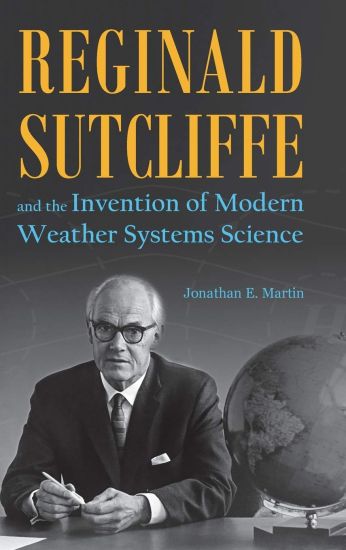
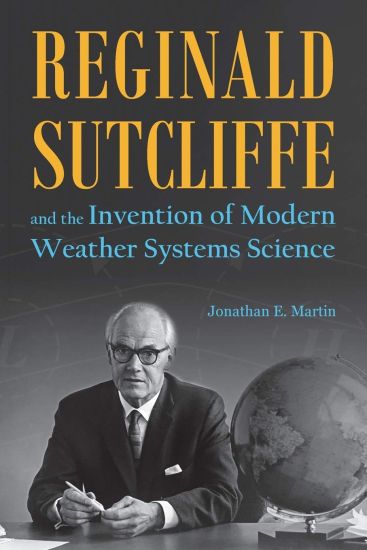
Reginald Sutcliffe and the Invention of Modern Weather Systems Science
Despite being perhaps the foremost British meteorologist of the twentieth century, Reginald Sutcliffe has been understudied and underappreciated. His impact continues to this day every time you check the weather forecast. Reginald Sutcliffe and the Invention of Modern Weather Systems Science not only details Sutcliffe's life and ideas, but it also illuminates the impact of social movements and the larger forces that propelled him on his consequential trajectory. Less than a century ago, a forecast of the weather tomorrow was considered a practical impossibility. This book makes the case that three important advances guided the development of modern dynamic meteorology, which led directly to the astounding progress in weather forecasting-and that Sutcliffe was the pioneer in all three of these foundational developments: the application of the quasi-geostrophic simplification to the equations governing atmospheric behavior, adoption of pressure as the vertical coordinate in analysis, and development of a diagnostic equation for vertical air motions. Shining a light on Sutcliffe's life and work will, hopefully, inspire a renewed appreciation for the human dimension in scientific progress and the rich legacy bequeathed to societies wise enough to fully embrace investments in education and basic research. As climate change continues to grow more dire, modern extensions of Sutcliffe's innovations increasingly offer some of the best tools we have for peering into the long-term future of our environment.
Reginald Sutcliffe and the Invention of Modern Weather Systems Science
Despite being perhaps the foremost British meteorologist of the twentieth century, Reginald Sutcliffe has been understudied and underappreciated. His impact continues to this day every time you check the weather forecast. Reginald Sutcliffe and the Invention of Modern Weather Systems Science not only details Sutcliffe's life and ideas, but it also illuminates the impact of social movements and the larger forces that propelled him on his consequential trajectory. Less than a century ago, a forecast of the weather tomorrow was considered a practical impossibility. This book makes the case that three important advances guided the development of modern dynamic meteorology, which led directly to the astounding progress in weather forecasting-and that Sutcliffe was the pioneer in all three of these foundational developments: the application of the quasi-geostrophic simplification to the equations governing atmospheric behavior, adoption of pressure as the vertical coordinate in analysis, and development of a diagnostic equation for vertical air motions. Shining a light on Sutcliffe's life and work will, hopefully, inspire a renewed appreciation for the human dimension in scientific progress and the rich legacy bequeathed to societies wise enough to fully embrace investments in education and basic research. As climate change continues to grow more dire, modern extensions of Sutcliffe's innovations increasingly offer some of the best tools we have for peering into the long-term future of our environment.
Reinventing Crediting for Competency-Based Education
Many argue that the conventional high school transcript has become irrelevant to today’s best practices in teaching, learning, and assessment. With more and more school leaders turning to alternate, competency-based approaches for learning, crediting and transcripts can follow suit by drawing on badging, micro-crediting, digital portfolios of student work, and other emerging tools. Reinventing Crediting for Competency-Based Education explores the need for this transformation while detailing the implementation of promising models, particularly the Mastery Transcript Consortium. Written by an experienced consultant and former school leader, this book will assist school and district administrators in making a forward-thinking crediting and transcript system work for their students’ futures.
Reinventing Crediting for Competency-Based Education
Many argue that the conventional high school transcript has become irrelevant to today’s best practices in teaching, learning, and assessment. With more and more school leaders turning to alternate, competency-based approaches for learning, crediting and transcripts can follow suit by drawing on badging, micro-crediting, digital portfolios of student work, and other emerging tools. Reinventing Crediting for Competency-Based Education explores the need for this transformation while detailing the implementation of promising models, particularly the Mastery Transcript Consortium. Written by an experienced consultant and former school leader, this book will assist school and district administrators in making a forward-thinking crediting and transcript system work for their students’ futures.
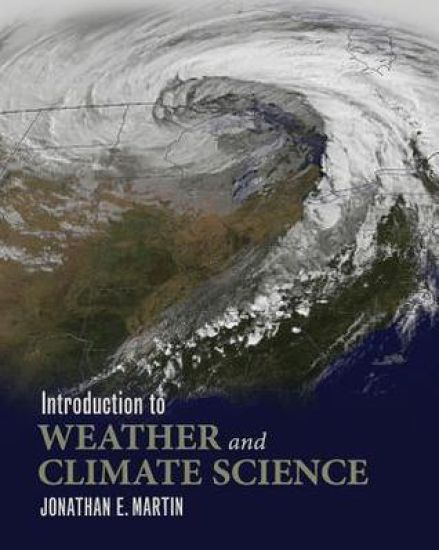
Introduction to Weather and Climate Science

Introduction to Weather and Climate Science

Jonathan E. Martin

Cognella, Inc
2013
nidottu
Introduction to Weather and Climate Science is a freshman-level undergraduate introductory textbook. It is geared specifically to the non-scientist, and requires no prior knowledge of meteorology. Written in a conversational tone, the book is ideal for first courses in the subject. It emphasizes the application of basic ideas to improve understanding of the kinds of weather systems encountered on a daily basis. Introduction to Weather and Climate Science covers the following topics:The Chemical Composition of the AtmosphereRadiative Transfer of EnergyMoisture in the AtmosphereThe Production of Clouds and PrecipitationThe Nature of Mid-Latitude CyclonesTropical Weather SystemsThis book gives instructors all the elements needed for an excellent course requiring minimal background preparation. It can be used effectively by any scientifically-literate non-meteorologist.
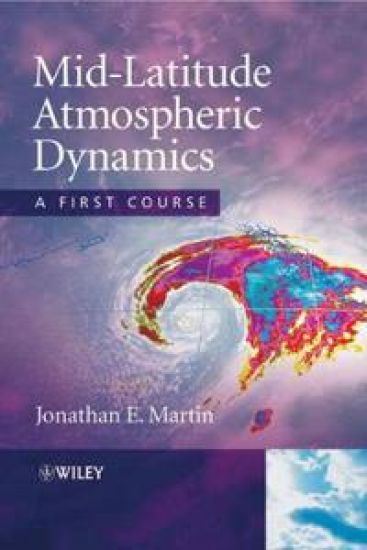
Mid-Latitude Atmospheric Dynamics

Mid-Latitude Atmospheric Dynamics

Jonathan E. Martin

John Wiley Sons Inc
2006
sidottu
This exciting text provides a mathematically rigorous yet accessible textbook that is primarily aimed at atmospheric science majors. Its accessibility is due to the texts emphasis on conceptual understanding. The first five chapters constitute a companion text to introductory courses covering the dynamics of the mid-latitude atmosphere. The final four chapters constitute a more advanced course, and provide insights into the diagnostic power of the quasi-geostrophic approximation of the equations outlined in the previous chapters, the meso-scale dynamics of thefrontal zone, the alternative PV perspective for cyclone interpretation, and the dynamics of the life-cycle of mid-latitude cyclones. Written in a clear and accessible styleFeatures real weather examples and global case studiesEach chapter sets out clear learning objectives and tests students’ knowledge with concluding questions and answers A Solutions Manual is also available for this textbook on the Instructor Companion Site www.wileyeurope.com/college/martin. “…a student-friendly yet rigorous textbook that accomplishes what no other textbook has done before… I highly recommend this textbook. For instructors, this is a great book if they don’t have their own class notes – one can teach straight from the book. And for students, this is a great book if they don’t take good class notes – one can learn straight from the book. This is a rare attribute of advanced textbooks.” Bulletin of the American Meteorological Society (BAMS), 2008
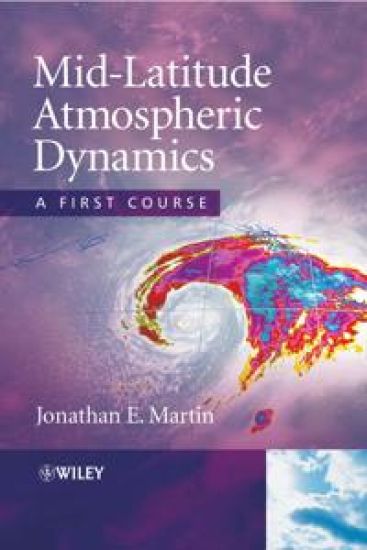
Mid-Latitude Atmospheric Dynamics

Mid-Latitude Atmospheric Dynamics

Jonathan E. Martin

John Wiley Sons Inc
2006
nidottu
This exciting text provides a mathematically rigorous yet accessible textbook that is primarily aimed at atmospheric science majors. Its accessibility is due to the texts emphasis on conceptual understanding. The first five chapters constitute a companion text to introductory courses covering the dynamics of the mid-latitude atmosphere. The final four chapters constitute a more advanced course, and provide insights into the diagnostic power of the quasi-geostrophic approximation of the equations outlined in the previous chapters, the meso-scale dynamics of thefrontal zone, the alternative PV perspective for cyclone interpretation, and the dynamics of the life-cycle of mid-latitude cyclones. Written in a clear and accessible styleFeatures real weather examples and global case studiesEach chapter sets out clear learning objectives and tests students’ knowledge with concluding questions and answers A Solutions Manual is also available for this textbook on the Instructor Companion Site www.wileyeurope.com/college/martin. “…a student-friendly yet rigorous textbook that accomplishes what no other textbook has done before… I highly recommend this textbook. For instructors, this is a great book if they don’t have their own class notes – one can teach straight from the book. And for students, this is a great book if they don’t take good class notes – one can learn straight from the book. This is a rare attribute of advanced textbooks.” Bulletin of the American Meteorological Society (BAMS), 2008