
Kirjojen hintavertailu – 12 903 724 kirjaa ja 27 kauppaa

Kirjailija

Jonathan Glennie

Kirjat ja teokset yhdessä paikassa: 3 kirjaa, julkaisuja vuosilta 2016–2020, suosituimpiin kuuluu Aid, Growth and Poverty. Vertaile teosten hintoja ja tarkista saatavuus suomalaisista kirjakaupoista.

3 kirjaa

Kirjojen julkaisuvuodet: 2016–2020.

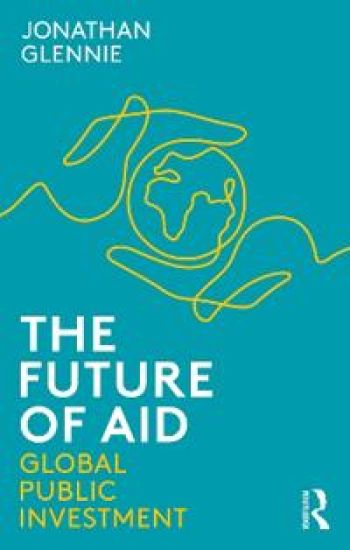
The Future of Aid

The Future of Aid

Jonathan Glennie

Routledge
2020
nidottu

Halvin toimitettuna 34,80 €

International cooperation has never been more needed, but the current system of “aid” is outdated and ineffective. The Future of Aid calls for a wholesale restructuring of the aid project, a totally new approach fit for the challenges of the 21st century: Global Public Investment. Across the world, billions of people are struggling to get by in unequal and unsustainable societies, and international public finance, which should be part of the answer, is woefully deficient. Engagingly written by a well-known expert in the field, The Future of Aid calls for a series of paradigm shifts. From a narrow focus on poverty to a broader attack on inequality and sustainability. From seeing international public money as a temporary last resort, to valuing it as a permanent force for good. From North-South transfers to a collective effort, with all paying in and all benefitting. From outdated post-colonial institutions to representative decision-making. From the othering and patronising language of “foreign aid”, to the empowering concept of Global Public Investment. Ten years ago, in The Trouble with Aid, Jonathan Glennie highlighted the dangers of aid dependency and the importance of looking beyond aid. Now he calls for a revolution in the way that we think about the role of public money to back up our ambitious global objectives. In the wake of the COVID-19 crisis, it is time for a new era of internationalism.
The Future of Aid

The Future of Aid

Jonathan Glennie

Routledge
2020
sidottu
International cooperation has never been more needed, but the current system of “aid” is outdated and ineffective. The Future of Aid calls for a wholesale restructuring of the aid project, a totally new approach fit for the challenges of the 21st century: Global Public Investment. Across the world, billions of people are struggling to get by in unequal and unsustainable societies, and international public finance, which should be part of the answer, is woefully deficient. Engagingly written by a well-known expert in the field, The Future of Aid calls for a series of paradigm shifts. From a narrow focus on poverty to a broader attack on inequality and sustainability. From seeing international public money as a temporary last resort, to valuing it as a permanent force for good. From North-South transfers to a collective effort, with all paying in and all benefitting. From outdated post-colonial institutions to representative decision-making. From the othering and patronising language of “foreign aid”, to the empowering concept of Global Public Investment. Ten years ago, in The Trouble with Aid, Jonathan Glennie highlighted the dangers of aid dependency and the importance of looking beyond aid. Now he calls for a revolution in the way that we think about the role of public money to back up our ambitious global objectives. In the wake of the COVID-19 crisis, it is time for a new era of internationalism.
Aid, Growth and Poverty

Aid, Growth and Poverty

Jonathan Glennie; Andy Sumner

Palgrave Macmillan
2016
sidottu
The authors discuss the impact of foreign aid and tackle the question of why assessing the impact of aid is so difficult. The authors focus on peer-reviewed, cross-country studies published over the last decade and draw together some global-level assessments, considering the context and conditions under which aid might be said to ‘work’. Glennie and Sumner argue that the evidence in four areas shows signs of convergence that may have direct relevance for policy decisions on aid and for aid effectiveness discussions. These are as follows: Aid levels (meaning if aid is too low or too high); Domestic political institutions (including political stability and extent of decentralisation); Aid composition (including sectors, modalities, objectives and time horizons); and Aid volatility and fragmentation. Notably, this study finds that there is no consensus that the effectiveness of aid depends on orthodox economic policies.