Kirjojen hintavertailu – 12 874 651 kirjaa ja 26 kauppaa

Kirjailija

Jonathan Healey

Kirjat ja teokset yhdessä paikassa: 8 kirjaa, julkaisuja vuosilta 2014–2026, suosituimpiin kuuluu The Blood in Winter. Vertaile teosten hintoja ja tarkista saatavuus suomalaisista kirjakaupoista.

8 kirjaa

Kirjojen julkaisuvuodet: 2014–2026.

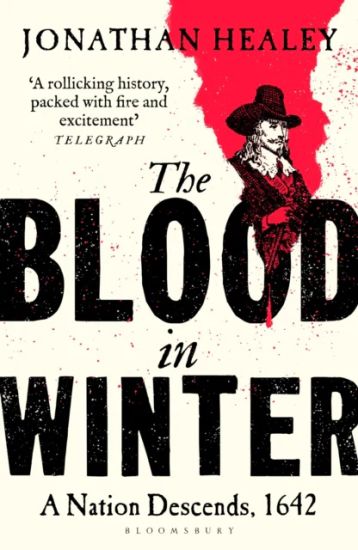
The Blood in Winter

The Blood in Winter

Jonathan Healey

BLOOMSBURY PUBLISHING PLC
2026
nidottu

Halvin toimitettuna 18,70 €

A BOOK OF THE YEAR FOR: THE TIMES/SUNDAY TIMES, TELEGRAPH AND HISTORY TODAY A nation on the cusp of war. A king ousted from his capital by the people. A society on the brink of collapse. From Jonathan Healey comes a thrilling history about the months that sent England into civil war ‘An old-fashioned Westminster thriller . . . You could hardly find a more engrossing or exciting story’ DOMINIC SANDBROOK, SUNDAY TIMES ‘A rollicking history, packed with fire and excitement *****’ DANIEL BROOKS, TELEGRAPH ‘The House of Cards-ish drama remains gripping to the last’ LITERARY REVIEW After years of tension between a king and his people, in 1641 England reaches a semblance of peace. Armies have disbanded, legislation has passed to ensure Parliament will continue to sit, and the people are tentatively optimistic. Radical politicians congratulate themselves on a stunning political victory. Royal servants are coming to accept an altered future. Then comes winter. With it, chaos, protests, political deadlock, and eventually a remarkable attempt by King Charles I to destroy his opponents. On 4 January 1642 Charles marches on the small riverside city of Westminster at the head of an army, seeking to arrest five Members of Parliament. In doing so, he sets in motion a series of events that will lead to bloodshed and war, changing a nation forever. Why did the English Civil War break out? The Blood in Winter tells the story of an English people's great political awakening, and of a nation that splintered into bloodshed at a terrifying speed. Jonathan Healey recreates the claustrophobic atmosphere of the day, with rowdy protestors in the streets and London blanketed in coal smoke. It is a story of remarkable but flawed characters, all faced with unpalatable choices, and a frightening picture of a society in profound distress.

The Blood in Winter: England on the Brink of Civil War, 1642

The Blood in Winter: England on the Brink of Civil War, 1642

Jonathan Healey

Knopf Publishing Group
2025
sidottu

Halvin toimitettuna 31,30 €

A riveting account of the five heated months in which King Charles I attempted to arrest five dissident Members of Parliament by bringing an armed force to the House of Commons--a shocking act of political terrorism that pushed England toward civil war and planted the seeds of the American Revolution "Netflix should make this enjoyable English civil war history into an epic drama. . . . You could hardly find a more engrossing or exciting story." --Dominic Sandbrook, The Times (London) "A lucid, fast-paced and exhilarating account. . . . The House of Cards-ish drama remains gripping to the last." --John Adamson, Literary Review In 1641, England exits a plague-ridden and politically unstable summer having reached a semblance of peace: the English and Scottish armies have disbanded, legislation has passed to ensure Parliament will continue to sit, and the people are tentatively optimistic. But King Charles I is not satisfied with peace--he wants revenge. So begins England's winter of discontent. As revolutionary sects of London begin to generate new ideas about democracy, as radical new religious groups seek power, and as Ireland explodes into revolt, Charles hatches a plan to restore his absolute rule. On January 4, 1642, he marches on Westminster, seeking to arrest and impeach five Members of Parliament--and so sets in motion a series of events that will lead to bloodshed and war, changing a nation forever. The Blood in Winter tells the story of an English people's great political awakening. Jonathan Healey utilizes meticulous archival research to re-create the claustrophobic atmosphere of the day, with rowdy protestors in the streets and London blanketed in coal smoke. Taut and thrilling, Healey's newest social history shows us what really happened in those fraught winter months that led to civil war. From the radical enclaves of London public houses to a king forced from his capital by the people, it is a rich tapestry of a society in profound distress.
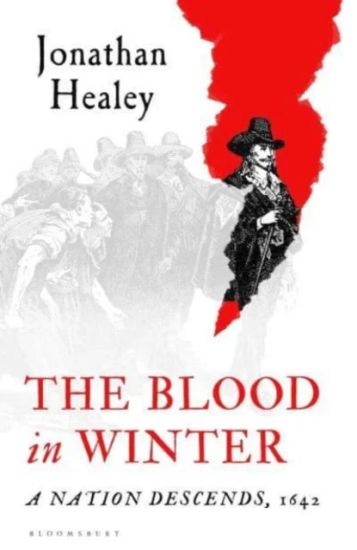
The Blood in Winter

The Blood in Winter

Jonathan Healey

BLOOMSBURY PUBLISHING PLC
2025
sidottu
A nation on the cusp of war. A king ousted from his capital by the people. A society on the brink of collapse. From Jonathan Healey comes a thrilling history about the months that sent England into civil war. 'Healey has done it again. The Blood in Winter is history as it should be told, where new light is cast upon one of the most dramatic years in British history. Shaped by meticulous research and a narrative worthy of any political thriller, the result is masterful' ALICE LOXTONAfter years of tension between a king and his people, in 1641 England reaches a semblance of peace. Armies have disbanded, legislation has passed to ensure Parliament will continue to sit, and the people are tentatively optimistic. Radical politicians congratulate themselves on a stunning political victory. Royal servants are coming to accept an altered future. Then comes winter. With it, chaos, protests, political deadlock, and eventually a remarkable attempt by King Charles I to destroy his opponents. On 4 January 1642 Charles marches on the small riverside city of Westminster at the head of an army, seeking to arrest five Members of Parliament. In doing so, he sets in motion a series of events that will lead to bloodshed and war, changing a nation forever. Why did the English Civil War break out? The Blood in Winter tells the story of an English people's great political awakening, and of a nation that splintered into bloodshed at a terrifying speed. Jonathan Healey recreates the claustrophobic atmosphere of the day, with rowdy protestors in the streets and London blanketed in coal smoke. It is a story of remarkable but flawed characters, all faced with unpalatable choices, and a frightening picture of a society in profound distress.
The Blazing World: A New History of Revolutionary England, 1603-1689
AN ECONOMIST AND NEW YORKER BEST BOOK OF THE YEAR - A fresh, exciting, "readable and informative" history (The New York Times) of seventeenth-century England, a time of revolution when society was on fire and simultaneously forging the modern world. - "Recapture s] a lost moment when a radically democratic commonwealth seemed possible."--Adam Gopnik, The New Yorker " Healy] makes a convincing argument that the turbulent era qualifies as truly 'revolutionary, ' not simply because of its cascading political upheavals, but in terms of far-reaching changes within society.... Wryly humorous and occasionally bawdy"-- The Wall Street Journal The seventeenth century was a revolutionary age for the English. It started as they suddenly found themselves ruled by a Scotsman, and it ended in the shadow of an invasion by the Dutch. Under James I, England suffered terrorism and witch panics. Under his son Charles, state and society collapsed into civil war, to be followed by an army coup and regicide. For a short time--for the only time in history--England was a republic. There were bitter struggles over faith and Parliament asserted itself like never before. There were no boundaries to politics. In fiery, plague-ridden London, in coffee shops and alehouses, new ideas were forged that were angry, populist, and almost impossible for monarchs to control. But the story of this century is less well known than it should be. Myths have grown around key figures. People may know about the Gunpowder Plot and the Great Fire of London, but the Civil War is a half-remembered mystery to many. And yet the seventeenth century has never seemed more relevant. The British constitution is once again being bent and contorted, and there is a clash of ideologies reminiscent of when Roundhead fought Cavalier. The Blazing World is the story of this strange, twisting, fascinating century. It shows a society in sparkling detail. It was a new world of wealth, creativity, and daring curiosity, but also of greed, pugnacious arrogance, and colonial violence.
The Blazing World

The Blazing World

Jonathan Healey

BLOOMSBURY PUBLISHING PLC
2024
nidottu

Halvin toimitettuna 18,70 €

'This is a wonderful book, exhaustively researched, vigorously argued and teeming with the furious joy of seventeenth-century life' THE TIMES'A brilliant, bloody account of England's most dramatic century . . . Thrilling' TELEGRAPH‘The most entertaining general history of seventeenth-century England I have read’ TOM HOLLANDThe seventeenth century began as the English found themselves ruled by a Scotsman, and ended in the shadow of a Dutch invasion. Midway through, society collapsed into a civil war, followed by army coup and regicide. For a short time – for the only time in history – England was a republic. In coffee shops and alehouses, ordinary people fizzed with ideas that were angry, populist and almost impossible to control. Despite these radical changes, few today fully understand the story of this revolutionary age. Leaders like Oliver Cromwell, Charles II and William of Orange have been reduced to caricatures, while major turning points like the Civil War and the Glorious Revolution are shrouded in myth. Yet, as Jonathan Healey argues, the period has never been more relevant. From raw politics to religious divisions, civil wars to witch trials, plague to press freedoms, The Blazing World tells the story of this strange but fascinating century in exuberant, panoramic detail.
The Blazing World: A New History of Revolutionary England, 1603-1689
AN ECONOMIST AND NEW YORKER BEST BOOK OF THE YEAR - A fresh, exciting, "readable and informative" history (The New York Times) of seventeenth-century England, a time of revolution when society was on fire and simultaneously forging the modern world. - "Recapture s] a lost moment when a radically democratic commonwealth seemed possible."--Adam Gopnik, The New Yorker " Healy] makes a convincing argument that the turbulent era qualifies as truly 'revolutionary, ' not simply because of its cascading political upheavals, but in terms of far-reaching changes within society.... Wryly humorous and occasionally bawdy"-- The Wall Street Journal The seventeenth century was a revolutionary age for the English. It started as they suddenly found themselves ruled by a Scotsman, and it ended in the shadow of an invasion by the Dutch. Under James I, England suffered terrorism and witch panics. Under his son Charles, state and society collapsed into civil war, to be followed by an army coup and regicide. For a short time--for the only time in history--England was a republic. There were bitter struggles over faith and Parliament asserted itself like never before. There were no boundaries to politics. In fiery, plague-ridden London, in coffee shops and alehouses, new ideas were forged that were angry, populist, and almost impossible for monarchs to control. But the story of this century is less well known than it should be. Myths have grown around key figures. People may know about the Gunpowder Plot and the Great Fire of London, but the Civil War is a half-remembered mystery to many. And yet the seventeenth century has never seemed more relevant. The British constitution is once again being bent and contorted, and there is a clash of ideologies reminiscent of when Roundhead fought Cavalier. The Blazing World is the story of this strange, twisting, fascinating century. It shows a society in sparkling detail. It was a new world of wealth, creativity, and daring curiosity, but also of greed, pugnacious arrogance, and colonial violence.
The Blazing World

The Blazing World

Jonathan Healey

BLOOMSBURY PUBLISHING PLC
2023
sidottu
A WATERSTONES, TELEGRAPH, ECONOMIST AND NEW YORKER BOOK OF THE YEARA major new history of England's turbulent seventeenth century and how it marked the birth of a new world'This is a wonderful book, exhaustively researched, vigorously argued and teeming with the furious joy of seventeenth-century life' The Times'A brilliant, bloody account of England's most dramatic century . . . Thrilling' TelegraphThe seventeenth century began as the English suddenly found themselves ruled by a Scotsman, and ended in the shadow of an invasion by the Dutch. Under James I, the country suffered terrorism and witch panics. Under his son Charles, state and society collapsed into civil war, to be followed by an army coup and regicide. For a short time – for the only time in history – England was a republic. There were bitter struggles over faith and no boundaries to politics. In the coffee shops and alehouses of plague-ridden London, new ideas were forged that were angry, populist and almost impossible for monarchs to control. Despite the radical changes that transformed England, few today understand the story of this revolutionary age. Leaders like Oliver Cromwell, Charles II, and William of Orange have been reduced to caricatures, while major turning points like the Civil War and the Glorious Revolution have become shrouded in myth and misunderstanding. Yet the seventeenth century has never been more relevant. The British constitution is once again being contested, and we face a culture war reminiscent of when the Roundheads fought the Cavaliers. From raw politics to religious divisions, civil wars to witch trials, plague to press freedoms, The Blazing World is the story of a strange but fascinating century, told in sparkling detail. Drawing on vast archives, Jonathan Healey refreshes our understanding of public figures while simultaneously taking us into the lives of ordinary people to illuminate a revolutionary society that forged a new world.
The First Century of Welfare

The First Century of Welfare

Jonathan Healey

The Boydell Press
2014
pokkari
The first major regional study of poverty and its relief in the seventeenth century: the first century of welfare. The English 'Old Poor Law' was the first national system of tax-funded social welfare in the world. It provided a safety net for hundreds of thousands of paupers at a time of very limited national wealth and productivity. The First Century of Welfare, which focusses on the poor, but developing, county of Lancashire, provides the first major regional study of poverty and its relief in the seventeenth century. Drawing on thousands of individual petitions for poor relief, presented by paupers themselves to magistrates, it peers into the social and economic world of England's marginal people. Taken together, these records present a vivid and sobering picture of the daily lives and struggles of the poor. We can see how their family life, their relations with their kin and their neighbours, and the dictates of contemporary gender norms conditioned their lives. We can also see how they experienced illness and physical and mental disability; and the ways in which real people's lives could be devastated by dearth, trade depression, and the destruction of the Civil Wars. But the picture is not just one of poor folk tossed by the tidesof fortune. It is also one of agency: about the strategies of economic survival the poor adopted, particularly in the context of a developing industrial economy, of the support they gained from their relatives and neighbours, andof their willingness to engage with England's developing system of social welfare to ensure that they and their families did not go hungry. In this book, an intensely human picture surfaces of what it was like to experience poverty at a time when the seeds of state social welfare were being planted. JONATHAN HEALEY is University Lecturer in English Local and Social History and Fellow of Kellogg College, University of Oxford.