

Kirjailija
Jonathan Lamb
Kirjat ja teokset yhdessä paikassa: 26 kirjaa, julkaisuja vuosilta 1995–2022, suosituimpiin kuuluu Faith in the Face of Danger. Vertaile teosten hintoja ja tarkista saatavuus suomalaisista kirjakaupoista.
26 kirjaa
Kirjojen julkaisuvuodet: 1995–2022.

The Evolution of Sympathy in the Long Eighteenth Century
Jonathan Lamb
Pickering Chatto (Publishers) Ltd
2009
sidottu
This work represents a concise history of sympathy in the eighteenth and early nineteenth centuries, considering the phenomenon of shared feeling from five related angles: charity, the market, global exploration, theatre, and torture.

Another lurid newspaper headline: a high-profile figure has fallen from grace. Worse still, he tried to cover it up so that everyone would think he was something he wasn't ... She was a respected figure in her school but it turned out she had been funding her lavish lifestyle with money that didn't belong to her. Integrity matters. We expect it, naively perhaps, of leaders in all walks of life. We trust people whose words, character and actions are consistent. But why is integrity so rare? Why does our walk not match our talk? One of the most pertinent and positive examples of integrity in Scripture is that of the apostle Paul. In 2 Corinthians his passions and frustrations are clear as he offers us an extraordinary insight into the joys and pressures of Christian leadership. His model is no less counter-cultural today than it was in the first century: leading with God watching. There are lessons for all Christians here, not just for formally recognized leaders. Jonathan Lamb examines key passages and interweaves them with examples from everyday life. Whether in responding to criticism, exercising authority, coping with failure, handling money or struggling with personal weakness, this book is a call to live consistently in the light of gospel priorities. Only then will our lives speak authentically to a sceptical world.
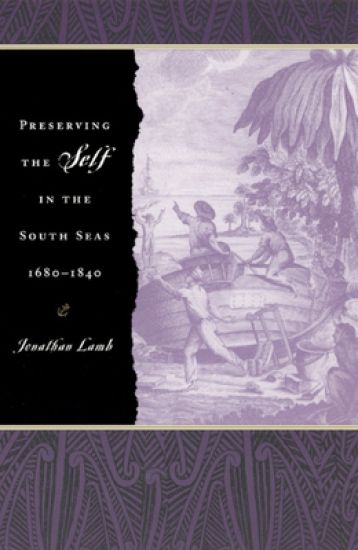
Preserving the Self in the South Seas, 1680-1840
Jonathan Lamb
University of Chicago Press
2001
sidottu
In the literature of South Seas exploration the violence, wonder, and nostalgia of voyaging are vivid. This volume charts the sensibilities of the lonely figures that encountered the new and exotic in terra incognita. Jonathan Lamb introduces us to the writings of South Seas explorers, and finds in them unexpected and poignant tales of selves alarmed and transformed. Lamb contends that European exploration ofthe South Seas was less confident and mindful than we have assumed. It was, instead, conducted in moods of distraction and infatuation that were hard to make sense of and difficult to narrate, and it prompted reactions among indigenous peoples that were equally passionate and irregular. "Preserving the Self in the South Seas" also examines these common crises of exploration in the context of a metropolitan audience that eagerly consumed narratives of the Pacific while doubting their truth. Lamb considers why these halting and incredible journals were so popular with the reading public, and suggests that they dramatized anxieties and bafflements rankling at the heart of commercial society.
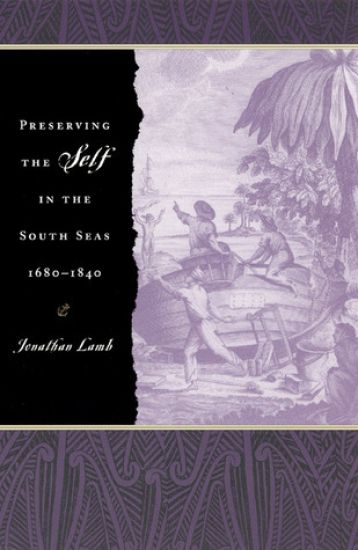
Preserving the Self in the South Seas, 1680-1840
Jonathan Lamb
University of Chicago Press
2001
nidottu
In the literature of South Seas exploration the violence, wonder, and nostalgia of voyaging are vivid. This volume charts the sensibilities of the lonely figures that encountered the new and exotic in terra incognita. Jonathan Lamb introduces us to the writings of South Seas explorers, and finds in them unexpected and poignant tales of selves alarmed and transformed. Lamb contends that European exploration ofthe South Seas was less confident and mindful than we have assumed. It was, instead, conducted in moods of distraction and infatuation that were hard to make sense of and difficult to narrate, and it prompted reactions among indigenous peoples that were equally passionate and irregular. "Preserving the Self in the South Seas" also examines these common crises of exploration in the context of a metropolitan audience that eagerly consumed narratives of the Pacific while doubting their truth. Lamb considers why these halting and incredible journals were so popular with the reading public, and suggests that they dramatized anxieties and bafflements rankling at the heart of commercial society.
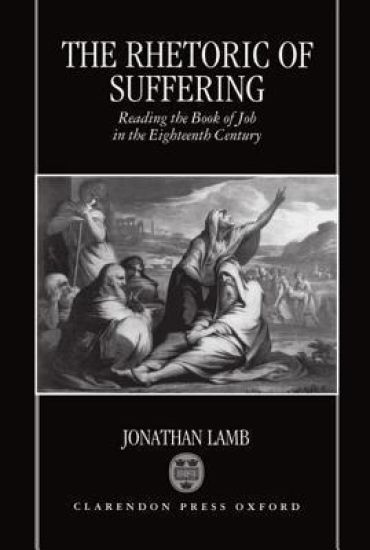
This work draws on the "Book of Job" in examining the contradictions in various 18th-century works, such as poetry, poetical oratory, accounts of exploration and commentaries on criminal law, which try to account for the relations between human suffering and systems of secular and divine justice.