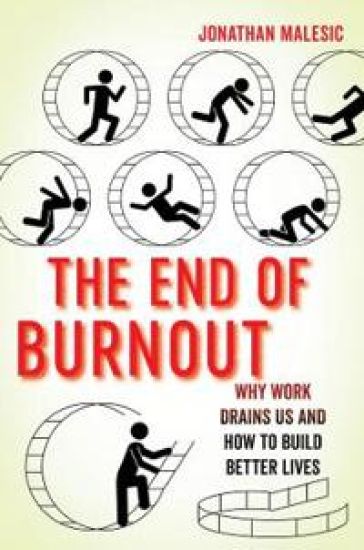
Kirjojen hintavertailu – 12 875 345 kirjaa ja 26 kauppaa

Kirjailija

Jonathan Malesic

Kirjat ja teokset yhdessä paikassa: 3 kirjaa, julkaisuja vuosilta 2022–2023, suosituimpiin kuuluu The End of Burnout. Vertaile teosten hintoja ja tarkista saatavuus suomalaisista kirjakaupoista.

3 kirjaa

Kirjojen julkaisuvuodet: 2022–2023.

Työuupumuksen loppu

Työuupumuksen loppu

Jonathan Malesic

Viisas Elämä
2023
nidottu

Halvin toimitettuna 31,90 €

Miksi työ uuvuttaa meidät? Miksi se saa meidät tuntemaan riittämättömyyttä? Jonathan Malesic syventyy kirjassaan Työuupumuksen loppu - Miksi työ kuluttaa ja kuinka rakennat paremman elämän siihen, mikä työelämässä on vialla, ja miten luomme terveempää työkulttuuria. Malesic ei tyydy helppoihin selityksiin, joiden mukaan työuupumus olisi vältettävissä työntekijän itse asettamilla rajoilla. Sen sijaan hän sukeltaa syvälle työn käsitteeseen, ja purkaa sen osiin niin filosofisista, psykologisista kuin käytännönläheisistäkin näkökulmista. Miten työuupumus määritellään? Millaisista ristiriitaisista asenteista käsin suoritamme työelämää? Miten identiteettimme rakentuu työn kautta? Malesic etsii vastauksia näihin ja lukuisiin muihin keskeisiin kysymyksiin esimerkiksi työkulttuurin historiasta ja omista työuupumuksen kokemuksistaan. Työuupumuksen loppu esittelee ihmisiä ja yhteisöjä, jotka kapinoivat vallitsevaa suorituskeskeisyyttä vastaan. Malesic antaa muun muassa benediktiiniluostareissa asuvien munkkien ja puutteellisen toimintakyvyn kanssa elävän taiteilijan toimia esimerkkeinä armollisesta ja lempeästä tavasta olla olemassa. Tällöin keskiössä ei välttämättä ole työ lainkaan, vaan mahdollisimman laadukas ja nautinnollinen elämä. Jonathan Malesic on yhdysvaltalainen toimittaja ja tutkija, joka on kahden vuosikymmenen ajan opettanut uskontotiedettä ja kirjoittamista yliopistossa. Hänen esseitään on julkaistu muun muassa New York Timesissa, The Atlanticissa ja Washington Postissa. Amazon nimesi Työuupumuksen loppu -teoksen yhdeksi vuoden 2022 parhaista kirjoista.
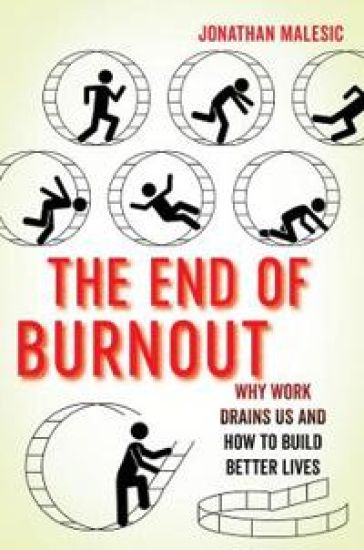
The End of Burnout

The End of Burnout

Jonathan Malesic

University of California Press
2022
pokkari
Going beyond the how and why of burnout, a former tenured professor combines academic methods and first-person experience to propose new ways for resisting our cultural obsession with work and transforming our vision of human flourishing. Burnout has become our go-to term for talking about the pressure and dissatisfaction we experience at work. But in the absence of understanding what burnout means, the discourse often does little to help workers who suffer from exhaustion and despair. Jonathan Malesic was a burned out worker who escaped by quitting his job as a tenured professor. In The End of Burnout, he dives into the history and psychology of burnout, traces the origin of the high ideals we bring to our jobs, and profiles the individuals and communities who are already resisting our cultural commitment to constant work. In The End of Burnout, Malesic traces his own history as someone who burned out of a tenured job to frame this rigorous investigation of how and why so many of us feel worn out, alienated, and useless in our work. Through research on the science, culture, and philosophy of burnout, Malesic explores the gap between our vocation and our jobs, and between the ideals we have for work and the reality of what we have to do. He eschews the usual prevailing wisdom in confronting burnout (“Learn to say no!” “Practice mindfulness!”) to examine how our jobs have been constructed as a symbol of our value and our total identity. Beyond looking at what drives burnout—unfairness, a lack of autonomy, a breakdown of community, mismatches of values—this book spotlights groups that are addressing these failures of ethics. We can look to communities of monks, employees of a Dallas nonprofit, intense hobbyists, and artists with disabilities to see the possibilities for resisting a “total work” environment and the paths to recognizing the dignity of workers and nonworkers alike. In this critical yet deeply humane book, Malesic offers the vocabulary we need to recognize burnout, overcome burnout culture, and acknowledge the dignity of workers and nonworkers alike.
The End of Burnout

The End of Burnout

Jonathan Malesic

University of California Press
2022
sidottu
Going beyond the how and why of burnout, a former tenured professor combines academic methods and first-person experience to propose new ways for resisting our cultural obsession with work and transforming our vision of human flourishing. Burnout has become our go-to term for talking about the pressure and dissatisfaction we experience at work. But in the absence of understanding what burnout means, the discourse often does little to help workers who suffer from exhaustion and despair. Jonathan Malesic was a burned out worker who escaped by quitting his job as a tenured professor. In The End of Burnout, he dives into the history and psychology of burnout, traces the origin of the high ideals we bring to our jobs, and profiles the individuals and communities who are already resisting our cultural commitment to constant work. In The End of Burnout, Malesic traces his own history as someone who burned out of a tenured job to frame this rigorous investigation of how and why so many of us feel worn out, alienated, and useless in our work. Through research on the science, culture, and philosophy of burnout, Malesic explores the gap between our vocation and our jobs, and between the ideals we have for work and the reality of what we have to do. He eschews the usual prevailing wisdom in confronting burnout (“Learn to say no!” “Practice mindfulness!”) to examine how our jobs have been constructed as a symbol of our value and our total identity. Beyond looking at what drives burnout—unfairness, a lack of autonomy, a breakdown of community, mismatches of values—this book spotlights groups that are addressing these failures of ethics. We can look to communities of monks, employees of a Dallas nonprofit, intense hobbyists, and artists with disabilities to see the possibilities for resisting a “total work” environment and the paths to recognizing the dignity of workers and nonworkers alike. In this critical yet deeply humane book, Malesic offers the vocabulary we need to recognize burnout, overcome burnout culture, and acknowledge the dignity of workers and nonworkers alike.