Kirjojen hintavertailu – 12 903 724 kirjaa ja 27 kauppaa

Kirjailija

Jonathan Moss

Kirjat ja teokset yhdessä paikassa: 6 kirjaa, julkaisuja vuosilta 2018–2024, suosituimpiin kuuluu The Politics of Feeling in Brexit Britain. Vertaile teosten hintoja ja tarkista saatavuus suomalaisista kirjakaupoista.

6 kirjaa

Kirjojen julkaisuvuodet: 2018–2024.

The Politics of Feeling in Brexit Britain

The Politics of Feeling in Brexit Britain

Jonathan Moss; Emily Robinson; Jake Watts

MANCHESTER UNIVERSITY PRESS
2024
sidottu
During Brexit, political questions were continually framed in emotional terms. The referendum was presented as a conflict between reason and resentment, fear and hope, heads and hearts. The Leave vote was interpreted as the triumph of passion over rationality, and its aftermath triggered concerns about the divisive impact of feelings on political culture. This book examines how these stories about feelings shaped public experiences and determined political possibilities. The politics of feeling uses first-hand accounts to explore how ‘ordinary’ people understand their own feelings about the referendum, and how they reacted to the feelings of others. It shows how they drew on public narratives, while also rejecting and reworking them. The authors highlight a dangerous contradiction whereby feelings were simultaneously understood as dangerous and illegitimate, and as an authentic reflection of our inner selves. This had its own political consequences.
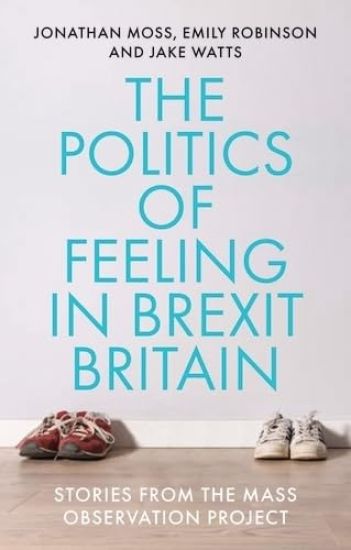
The Politics of Feeling in Brexit Britain

The Politics of Feeling in Brexit Britain

Jonathan Moss; Emily Robinson; Jake Watts

MANCHESTER UNIVERSITY PRESS
2024
nidottu
During Brexit, political questions were continually framed in emotional terms. The referendum was presented as a conflict between reason and resentment, fear and hope, heads and hearts. The Leave vote was interpreted as the triumph of passion over rationality, and its aftermath triggered concerns about the divisive impact of feelings on political culture. This book examines how these stories about feelings shaped public experiences and determined political possibilities. The politics of feeling uses first-hand accounts to explore how ‘ordinary’ people understand their own feelings about the referendum, and how they reacted to the feelings of others. It shows how they drew on public narratives, while also rejecting and reworking them. The authors highlight a dangerous contradiction whereby feelings were simultaneously understood as dangerous and illegitimate, and as an authentic reflection of our inner selves. This had its own political consequences.
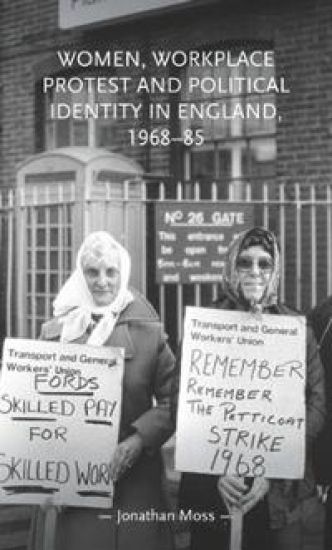
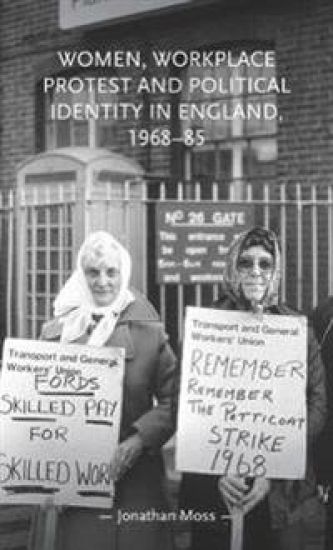
Women, Workplace Protest and Political Identity in England, 1968–85
This book draws upon original research into women’s workplace protest to deliver a new account of working-class women’s political identity and participation in post-war England. Focusing on the voices and experiences of women who fought for equal pay, skill recognition and the right to work between 1968 and 1985, it explores why working-class women engaged in such action when they did, and it analyses the impact of workplace protest on women’s political identity. A combination of oral history and written sources are used to illuminate how everyday experiences of gender and class antagonism shaped working-class women’s political identity and participation. The book contributes a fresh understanding of the relationship between feminism, workplace activism and trade unionism during the years 1968-1985. This book is relevant to United Nations Sustainable Development Goal 5, Gender equality.
Women, Workplace Protest and Political Identity in England, 1968–85
This book draws upon original research into women’s workplace protest to deliver a new account of working-class women’s political identity and participation in post-war England. Focusing on the voices and experiences of women who fought for equal pay, skill recognition and the right to work between 1968 and 1985, it explores why working-class women engaged in such action when they did, and it analyses the impact of workplace protest on women’s political identity. A combination of oral history and written sources are used to illuminate how everyday experiences of gender and class antagonism shaped working-class women’s political identity and participation. The book contributes a fresh understanding of the relationship between feminism, workplace activism and trade unionism during the years 1968-1985. This book is relevant to United Nations Sustainable Development Goal 5, Gender equality.
The Good Politician

The Good Politician

Nick Clarke; Will Jennings; Jonathan Moss; Gerry Stoker

Cambridge University Press
2018
pokkari
Surveys show a lack of trust in political actors and institutions across much of the democratic world. Populist politicians and parties attempt to capitalise on this political disaffection. Commentators worry about our current 'age of anti-politics'. Focusing on the United Kingdom, using responses to public opinion surveys alongside diaries and letters collected by Mass Observation, this book takes a long view of anti-politics going back to the 1940s. This historical perspective reveals how anti-politics has grown in scope and intensity over the last half-century. Such growth is explained by citizens' changing images of 'the good politician' and changing modes of political interaction between politicians and citizens. Current efforts to reform and improve democracy will benefit greatly from the new evidence and conceptual framework set out in this important study.
The Good Politician

The Good Politician

Nick Clarke; Will Jennings; Jonathan Moss; Gerry Stoker

Cambridge University Press
2018
sidottu
Surveys show a lack of trust in political actors and institutions across much of the democratic world. Populist politicians and parties attempt to capitalise on this political disaffection. Commentators worry about our current 'age of anti-politics'. Focusing on the United Kingdom, using responses to public opinion surveys alongside diaries and letters collected by Mass Observation, this book takes a long view of anti-politics going back to the 1940s. This historical perspective reveals how anti-politics has grown in scope and intensity over the last half-century. Such growth is explained by citizens' changing images of 'the good politician' and changing modes of political interaction between politicians and citizens. Current efforts to reform and improve democracy will benefit greatly from the new evidence and conceptual framework set out in this important study.