Kirjojen hintavertailu – 12 859 828 kirjaa ja 27 kauppaa
Kirjailija
Jonathan Osborne
Kirjat ja teokset yhdessä paikassa: 6 kirjaa, julkaisuja vuosilta 1996–2017, suosituimpiin kuuluu Improving Subject Teaching. Vertaile teosten hintoja ja tarkista saatavuus suomalaisista kirjakaupoista.
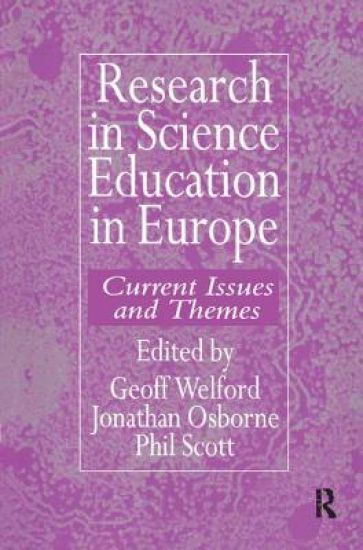
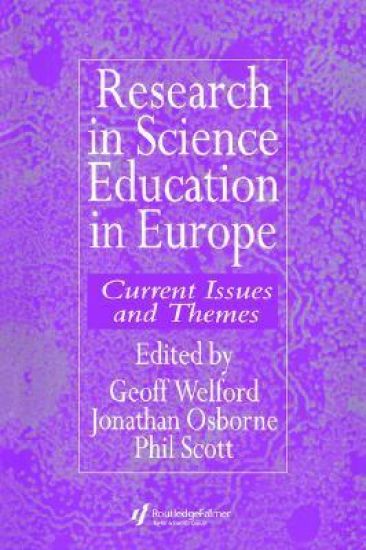
A range of topical issues and concerns at the forefront of research in science education in Europe are examined in this text. The contributors are science educators and researchers from throughout Europe.
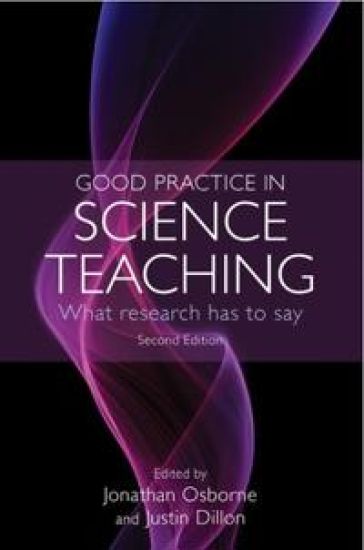
"The book has wide appeal in that the issues investigated - for example, the nature of science, practical work, the role of language, of technology and formative and summative assessment - are relevant and pertinent to science teachers' work in all school systems." Professor David F Treagust, Curtin University of Technology, AustraliaThis new edition of Good Practice in Science Teaching offers a comprehensive overview of the major areas of research and scholarship in science education. Each chapter summarizes the research work and evidence in the field, and discusses its significance, reliability and implications for the practice of science teaching. Thoroughly revised throughout, the new edition includes:Three new chapters covering: the learning of science in informal contexts; teacher professional development; and technology-mediated learningUpdates to every chapter, reflecting the changes and developments in science educationFurther reading sections at the end of each chapterEach chapter has been written by science education researchers with national or international reputations. Each topic is approached in a straight-forward manner and is written in a concise and readable style. This invaluable guide is ideal for science teachers of children of all ages, and others who work in teaching and related fields. It is an essential text for teachers in training and those studying for higher degrees. Contributors: Philip Adey, Paul Black, Maria Evagorou, John Gilbert, Melissa Glackin, Christine Harrison, Jill Hohenstein, Heather King, Alex Manning, Robin Millar, Natasha Serret, Shirley Simon, Julian Swain, Mary Webb.
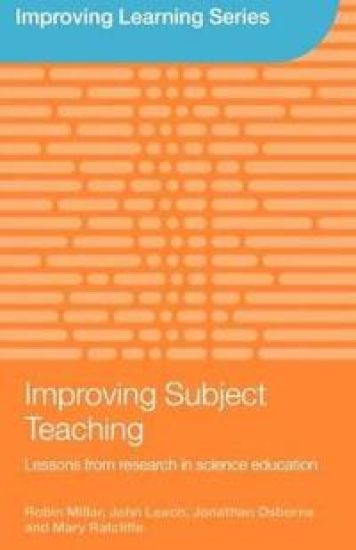
In many countries, questions are being raised about the quality and value of educational research. This book explores the relationship between research and practice in education. It looks at the extent to which current practice could be said to be informed by knowledge or ideas generated by research and at the extent to which the use of current practices or the adoption of new ones are, or could be, supported by research evidence. Science education is used as a case study but the issues considered apply to the teaching and learning of any curriculum subject. The book draws on the findings of four inter-related research studies and considers: how research might be used to establish greater consensus about curriculum; how research can inform the design of assessment tools and teaching interventions; teachers’ and other science educators’ perceptions of the influence of research on their teaching practices and their students’ learning; the extent to which evidence can show that an educational practice ‘works’.
In many countries, questions are being raised about the quality and value of educational research. This book explores the relationship between research and practice in education. It looks at the extent to which current practice could be said to be informed by knowledge or ideas generated by research and at the extent to which the use of current practices or the adoption of new ones are, or could be, supported by research evidence. Science education is used as a case study but the issues considered apply to the teaching and learning of any curriculum subject. The book draws on the findings of four inter-related research studies and considers: how research might be used to establish greater consensus about curriculum; how research can inform the design of assessment tools and teaching interventions; teachers’ and other science educators’ perceptions of the influence of research on their teaching practices and their students’ learning; the extent to which evidence can show that an educational practice ‘works’.
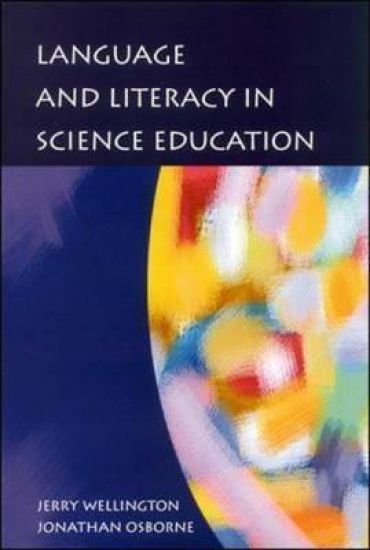
Science in secondary schools has tended to be viewed mainly as a 'practical subject', and language and literacy in science education have been neglected. But learning the language of science is a major part of science education: every science lesson is a language lesson, and language is a major barrier to most school students in learning science. This accessible book explores the main difficulties in the language of science and examines practical ways to aid students in retaining, understanding, reading, speaking and writing scientific language. Jerry Wellington and Jonathan Osborne draw together and synthesize current good practice, thinking and research in this field. They use many practical examples, illustrations and tried-and-tested materials to exemplify principles and to provide guidelines in developing language and literacy in the learning of science. They also consider the impact that the growing use of information and communications technology has had, and will have, on writing, reading and information handling in science lessons. The authors argue that paying more attention to language in science classrooms is one of the most important acts in improving the quality of science education. This is a significant and very readable book for all student and practising secondary school science teachers, for science advisers and school mentors.
A range of topical issues and concerns at the forefront of research in science education in Europe are examined in this text. The contributors are science educators and researchers from throughout Europe.