Kirjojen hintavertailu – 12 903 724 kirjaa ja 27 kauppaa

Kirjailija

Jonathan Wilkenfeld

Kirjat ja teokset yhdessä paikassa: 15 kirjaa, julkaisuja vuosilta 1997–2016, suosituimpiin kuuluu International Negotiation in a Complex World. Vertaile teosten hintoja ja tarkista saatavuus suomalaisista kirjakaupoista.

15 kirjaa

Kirjojen julkaisuvuodet: 1997–2016.

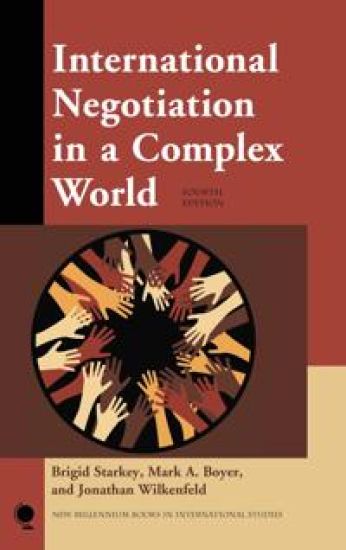
International Negotiation in a Complex World

International Negotiation in a Complex World

Brigid Starkey; Mark A. Boyer; Jonathan Wilkenfeld

Rowman Littlefield
2016
nidottu
The process of negotiation, standing as it does between war and peace in many parts of the globe, has never been a more vital process to understand than in today's rapidly changing international system. Students of negotiation must first understand key IR concepts as they try to incorporate the dynamics of the many anomalous actors that regularly interact with conventional state agents in the diplomatic arena. This hands-on text provides an essential introduction to this high-stakes realm, exploring the impact of complex multilateralism on traditional negotiation concepts such as bargaining, issue salience, and strategic choice. Using an easy-to-understand board game analogy as a framework for studying negotiation episodes, the authors include a rich array of real-world cases and examples—now updated with the results of the Paris climate change agreement—to illustrate key themes, including the intensity of crisis situations for negotiators, the role of culture in communication, and the impact of domestic-level politics on international negotiations. Providing tools for analyzing why negotiations succeed or fail, this innovative text also presents effective exercises and learning approaches that enable students to understand the complexities of negotiation by engaging in the diplomatic process themselves.

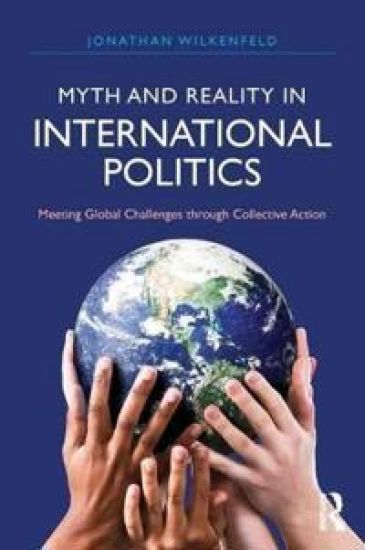
Myth and Reality in International Politics
Recent generations have experienced dramatic improvements in the quality of human life across the globe. Wars between states are fought less frequently and are less lethal. Food is more plentiful and more easily accessed. In most parts of the world, birthrates are down and life expectancy up. Significantly fewer people live in extreme poverty, relative to the overall population. Statistics would argue that the human race has never before flourished as it has in this moment. And yet, even with this progress, we face a number of seemingly intractable challenges to the welfare of both states and individuals, including:Governmental instability undermining the lives of citizens, both within and beyond their borders;Persistent and recurring intrastate conflict due to ineffective conflict management strategies;Marginally successful development efforts and growing income inequality, both within and between nations, as a result of uncoordinated and ineffective global development strategies;Internecine conflict in multiethnic societies, manifested by exclusion, discrimination, and ultimately violence, the inevitable consequence of an insufficient focus on managing the inherent tensions in diverse societies;Global climate change with the possibility of catastrophic long-term consequences, following an inability to effectively come to terms with and respond to the impact of human activity on our environment. These challenges require a newly collaborative, intentional, and systematic approach. This book offers a blueprint for how to get there, calling for increased leadership responsibility, clarity of mission, and empowerment of states and individuals. It is designed to transform lofty but often vague agendas into concrete, measurable progress. It believes in the capacity of humanity to rise to the occasion, to come together to address these increasingly critical global problems, and offers one way forward.
Myth and Reality in International Politics
Recent generations have experienced dramatic improvements in the quality of human life across the globe. Wars between states are fought less frequently and are less lethal. Food is more plentiful and more easily accessed. In most parts of the world, birthrates are down and life expectancy up. Significantly fewer people live in extreme poverty, relative to the overall population. Statistics would argue that the human race has never before flourished as it has in this moment. And yet, even with this progress, we face a number of seemingly intractable challenges to the welfare of both states and individuals, including:Governmental instability undermining the lives of citizens, both within and beyond their borders;Persistent and recurring intrastate conflict due to ineffective conflict management strategies;Marginally successful development efforts and growing income inequality, both within and between nations, as a result of uncoordinated and ineffective global development strategies;Internecine conflict in multiethnic societies, manifested by exclusion, discrimination, and ultimately violence, the inevitable consequence of an insufficient focus on managing the inherent tensions in diverse societies;Global climate change with the possibility of catastrophic long-term consequences, following an inability to effectively come to terms with and respond to the impact of human activity on our environment. These challenges require a newly collaborative, intentional, and systematic approach. This book offers a blueprint for how to get there, calling for increased leadership responsibility, clarity of mission, and empowerment of states and individuals. It is designed to transform lofty but often vague agendas into concrete, measurable progress. It believes in the capacity of humanity to rise to the occasion, to come together to address these increasingly critical global problems, and offers one way forward.
International Negotiation in a Complex World

International Negotiation in a Complex World

Brigid Starkey; Mark A. Boyer; Jonathan Wilkenfeld

Rowman Littlefield
2015
sidottu
The process of negotiation, standing as it does between war and peace in many parts of the globe, has never been a more vital process to understand than in today's rapidly changing international system. Students of negotiation must first understand key IR concepts as they try to incorporate the dynamics of the many anomalous actors that regularly interact with conventional state agents in the diplomatic arena. This hands-on text provides an essential introduction to this high-stakes realm, exploring the impact of complex multilateralism on traditional negotiation concepts such as bargaining, issue salience, and strategic choice. Using an easy-to-understand board game analogy as a framework for studying negotiation episodes, the authors include a rich array of real-world cases and examples to illustrate key themes, including the intensity of crisis situations for negotiators, the role of culture in communication, and the impact of domestic-level politics on international negotiations. Providing tools for analyzing why negotiations succeed or fail, this innovative text also presents effective exercises and learning approaches that enable students to understand the complexities of negotiation by engaging in the diplomatic process themselves.
Peace and Conflict 2014

Peace and Conflict 2014

Paul K. Huth; Jonathan Wilkenfeld; David A. Backer

Paradigm
2014
nidottu
Peace and Conflict is a biennial publication that provides cutting-edge data and analysis concerning domestic and international conflicts and corresponding peacebuilding activities. The book include forecasts of risks of political and social instability, as well as trends and patterns in conflict. The 2014 edition focusses on the 'micro level' in the study of conflict and peacebuilding, such as social relationships below the level of the nation-state, with attention to key topics such as ethnicity, climate change, foreign aid and sexual violence. Peace and Conflict is a large-format, full-color resource with numerous graphs, tables, maps, and appendices dedicated to the visual and summary presentation of information. Crisp narratives are highlighted with pull-quote extracts emphasizing major findings.
Peace and Conflict 2014

Peace and Conflict 2014

Paul K. Huth; Jonathan Wilkenfeld; David A. Backer

Paradigm
2014
sidottu
Peace and Conflict is a biennial publication that provides cutting-edge data and analysis concerning domestic and international conflicts and corresponding peacebuilding activities. The book include forecasts of risks of political and social instability, as well as trends and patterns in conflict. The 2014 edition focusses on the 'micro level' in the study of conflict and peacebuilding, such as social relationships below the level of the nation-state, with attention to key topics such as ethnicity, climate change, foreign aid and sexual violence. Peace and Conflict is a large-format, full-color resource with numerous graphs, tables, maps, and appendices dedicated to the visual and summary presentation of information. Crisp narratives are highlighted with pull-quote extracts emphasizing major findings.
Peace and Conflict 2012

Peace and Conflict 2012

J. Joseph Hewitt; Jonathan Wilkenfeld; Ted Robert Gurr

Paradigm
2012
nidottu
Peace and Conflict is a biennial publication that provides key data and follows trends in national and international conflicts ranging from isolated acts of terrorism to internal civil strife to full-fledged inter-country war. A major trend it tracks is the incidence of wars beyond the protracted conflicts in Iraq and Afghanistan. Peace and Conflict 2012 focuses on the theme of policy guidance for preventing conflict. It covers special topics with original contributions that focus on mediation, economic recovery, and the impact of elections. Peace and Conflict is a large-format reference book including numerous graphs, tables, maps, and appendices dedicated to the visual presentation of data. Crisp narratives are highlighted with box quote extracts that summarise trends and major findings such as the continuing increase in high casualty terrorist acts and risk of genocide in certain areas.
Peace and Conflict 2012

Peace and Conflict 2012

J. Joseph Hewitt; Jonathan Wilkenfeld; Ted Robert Gurr

Paradigm
2011
sidottu
Peace and Conflict is a biennial publication that provides key data and follows trends in national and international conflicts ranging from isolated acts of terrorism to internal civil strife to full-fledged inter-country war. A major trend it tracks is the incidence of wars beyond the protracted conflicts in Iraq and Afghanistan. Peace and Conflict 2012 focuses on the theme of policy guidance for preventing conflict. It covers special topics with original contributions that focus on mediation, economic recovery, and the impact of elections. Peace and Conflict is a large-format reference book including numerous graphs, tables, maps, and appendices dedicated to the visual presentation of data. Crisp narratives are highlighted with box quote extracts that summarise trends and major findings such as the continuing increase in high casualty terrorist acts and risk of genocide in certain areas.
Peace and Conflict 2010

Peace and Conflict 2010

J. Joseph Hewitt; Jonathan Wilkenfeld; Ted Robert Gurr

Paradigm
2010
nidottu
Peace and Conflict is a new biennial publication that provides key data and documents trends in national and international conflicts ranging from isolated acts of terrorism to internal civil strife to full-fledged intercountry war. A major trend it tracks is the incidence of wars beyond the protracted conflicts in Iraq and Afghanistan. For 2010, Peace & Conflict adds a new regular feature-Trends in Global Terrorism-and focuses on the theme of Challenges of Post-Conflict Transitions. It covers special topics including women and post-conflict settings, and truth commissions and tribunals. Peace and Conflict is a large format, full-color reference including numerous graphs, tables, maps, and appendices dedicated to the visual presentation of data. Crisp narratives are highlighted with pull-quote extracts that summarize trends and major findings such as the continuing increase in high casualty terrorist acts and the likelihood of genocide risk in certain areas.
Peace and Conflict 2010

Peace and Conflict 2010

J. Joseph Hewitt; Jonathan Wilkenfeld; Ted Robert Gurr

Paradigm
2009
sidottu
Peace and Conflict is a new biennial publication that provides key data and documents trends in national and international conflicts ranging from isolated acts of terrorism to internal civil strife to full-fledged intercountry war. A major trend it tracks is the incidence of wars beyond the protracted conflicts in Iraq and Afghanistan. For 2010, Peace & Conflict adds a new regular feature-Trends in Global Terrorism-and focuses on the theme of Challenges of Post-Conflict Transitions. It covers special topics including women and post-conflict settings, and truth commissions and tribunals. Peace and Conflict is a large format, full-color reference including numerous graphs, tables, maps, and appendices dedicated to the visual presentation of data. Crisp narratives are highlighted with pull-quote extracts that summarize trends and major findings such as the continuing increase in high casualty terrorist acts and the likelihood of genocide risk in certain areas.
Peace and Conflict 2008

Peace and Conflict 2008

J. Joseph Hewitt; Jonathan Wilkenfeld; Ted Robert Gurr

Paradigm
2007
sidottu
Peace and Conflict is a biennial publication that provides key data and documents trends in national and international conflicts ranging from isolated acts of terrorism to internal civil strife to full-fledged interstate war. Peace and Conflict is a large format, full-color reference including numerous graphs, tables, maps, and appendices dedicated to the visual presentation of data. Crisp narratives are highlighted with pull-quote extracts that summarize trends and major findings.
Peace and Conflict 2008

Peace and Conflict 2008

J. Joseph Hewitt; Jonathan Wilkenfeld; Ted Robert Gurr

Paradigm
2007
nidottu
Peace and Conflict is a biennial publication that provides key data and documents trends in national and international conflicts ranging from isolated acts of terrorism to internal civil strife to full-fledged interstate war. Peace and Conflict is a large format, full-color reference including numerous graphs, tables, maps, and appendices dedicated to the visual presentation of data. Crisp narratives are highlighted with pull-quote extracts that summarize trends and major findings.
Mediating International Crises

Mediating International Crises

Jonathan Wilkenfeld; Kathleen Young; David Quinn; Victor Asal

Routledge
2006
nidottu
This new book shows how international crises are dangerous episodes that can be destabilizing not only to the actors directly involved but also to the entire international system. Recognizing the primacy of crises as defining moments in international relations, scholars and policy makers alike are increasingly concerned with identifying mechanisms for crisis prevention, management and resolution. Mediating International Crises is the first comprehensive study into one such mechanism that has been used with increasing frequency in the 20th Century: mediation by a third party. This important research attempts to determine whether third party mediation is an effective means of alleviating or managing the turbulent and violent consequences of crises. The authors examine three approaches to mediation: facilitation communication between parties, formulating possible agreements and manipulating the parties through sanctions or rewards. They explore how these mediation approaches affect crisis outcomes through sanctions or rewards The book begins with a thorough discussion of the theoretical literature on mediation, with particular attention paid to the important distinction between crisis management and conflict resolution. The authors then provide empirical analyses of instances of mediation in 20th century international crises, which is supplemented with data derived from simulated negotiation settings with human subjects.
Mediating International Crises

Mediating International Crises

Jonathan Wilkenfeld; Kathleen Young; David Quinn; Victor Asal

Routledge
2005
sidottu
This new book shows how international crises are dangerous episodes that can be destabilizing not only to the actors directly involved but also to the entire international system. Recognizing the primacy of crises as defining moments in international relations, scholars and policy makers alike are increasingly concerned with identifying mechanisms for crisis prevention, management and resolution. Mediating International Crises is the first comprehensive study into one such mechanism that has been used with increasing frequency in the 20th Century: mediation by a third party. This important research attempts to determine whether third party mediation is an effective means of alleviating or managing the turbulent and violent consequences of crises. The authors examine three approaches to mediation: facilitation communication between parties, formulating possible agreements and manipulating the parties through sanctions or rewards. They explore how these mediation approaches affect crisis outcomes through sanctions or rewards The book begins with a thorough discussion of the theoretical literature on mediation, with particular attention paid to the important distinction between crisis management and conflict resolution. The authors then provide empirical analyses of instances of mediation in 20th century international crises, which is supplemented with data derived from simulated negotiation settings with human subjects.
A Study of Crisis

A Study of Crisis

Michael Brecher; Jonathan Wilkenfeld

The University of Michigan Press
1997
sidottu
As the twentieth century draws to a close, it is time to look back on an epoch of widespread turmoil, including two world wars, the end of the colonial era in world history, and a large number of international crises and conflicts. This book is designed to shed light on the causes and consequences of military-security crises since the end of World War I, in every region, across diverse economic and political regimes, and cultures. The primary aim of this volume is to uncover patterns of crises, conflicts and wars and thereby to contribute to the advancement of international peace and world order. The culmination of more than twenty years of research by Michael Brecher and Jonathan Wilkenfeld, the book analyzes crucial themes about crisis, conflict, and war and presents systematic knowledge about more than 400 crises, thirty-one protracted conflicts and almost 900 state participants. The authors explore many aspects of conflict, including the ethnic dimension, the effect of different kinds of political regimes--notably the question whether democracies are more peaceful than authoritarian regimes, and the role of violence in crisis management. They employ both case studies and aggregate data analysis in a Unified Model of Crisis to focus on two levels of analysis--hostile interactions among states, and the behavior of decision-makers who must cope with the challenge posed by a threat to values, time pressure, and the increased likelihood that military hostilities will engulf them. This book will appeal to scholars in history, political science, sociology, and economics as well as policy makers interested in the causes and effects of crises in international relations. The rich data sets will serve researchers for years to come as they probe additional aspects of crisis, conflict and war in international relations. Michael Brecher is R. B. Angus Professor of Political Science, McGill University. Jonathan Wilkenfeld is Professor and Chair of the Department of Government and Politics, University of Maryland. They are the coauthors of Crises in the Twentieth Century: A Handbook of International Crisis, among other books and articles.