
Kirjojen hintavertailu – 12 859 819 kirjaa ja 27 kauppaa

Kirjailija

Jonna P. Estudillo

Kirjat ja teokset yhdessä paikassa: 2 kirjaa, julkaisuja vuosilta 2015–2018, suosituimpiin kuuluu Moving Out of Poverty. Vertaile teosten hintoja ja tarkista saatavuus suomalaisista kirjakaupoista.

2 kirjaa

Kirjojen julkaisuvuodet: 2015–2018.

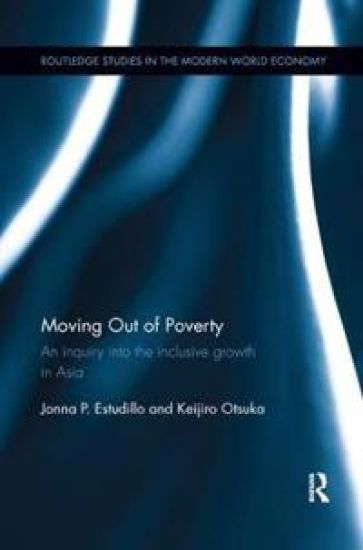
Moving Out of Poverty

Moving Out of Poverty

Jonna P. Estudillo; Keijiro Otsuka

Routledge
2018
nidottu
The words of US President John F. Kennedy, "the rising tide lifts all boats," can be applied to inclusive growth in contemporary Asia, where the poor are able to participate in and benefit from economic growth. Moving Out of Poverty explores three channels through which economic growth confers gains to the poor and improves the status of women. The first is creation of productive employment, as labor is typically the most abundant asset of the poor, and economic growth has created jobs in labor-intensive sectors. The second is investment in schooling which, coupled with increased opportunities to earn income, has elevated womens' status in society. The third is increased availability of improved infrastructure, which directly impacts increasing household income from wage work and self-employment activities. This book will be of great value to development economists, students and researchers interested in rural economies in Asia, and policymakers engaged in poverty reduction.
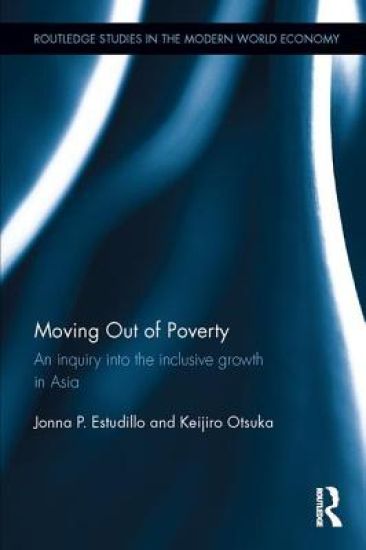
Moving Out of Poverty

Moving Out of Poverty

Jonna P. Estudillo; Keijiro Otsuka

Routledge
2015
sidottu
The words of US President John F. Kennedy, "the rising tide lifts all boats," can be applied to inclusive growth in contemporary Asia, where the poor are able to participate in and benefit from economic growth. Moving Out of Poverty explores three channels through which economic growth confers gains to the poor and improves the status of women. The first is creation of productive employment, as labor is typically the most abundant asset of the poor, and economic growth has created jobs in labor-intensive sectors. The second is investment in schooling which, coupled with increased opportunities to earn income, has elevated womens' status in society. The third is increased availability of improved infrastructure, which directly impacts increasing household income from wage work and self-employment activities. This book will be of great value to development economists, students and researchers interested in rural economies in Asia, and policymakers engaged in poverty reduction.