Kirjojen hintavertailu – 12 859 818 kirjaa ja 27 kauppaa

Kirjailija

Jonny Trunk

Kirjat ja teokset yhdessä paikassa: 8 kirjaa, julkaisuja vuosilta 2014–2025, suosituimpiin kuuluu Wobbly Sounds. Vertaile teosten hintoja ja tarkista saatavuus suomalaisista kirjakaupoista.

8 kirjaa

Kirjojen julkaisuvuodet: 2014–2025.

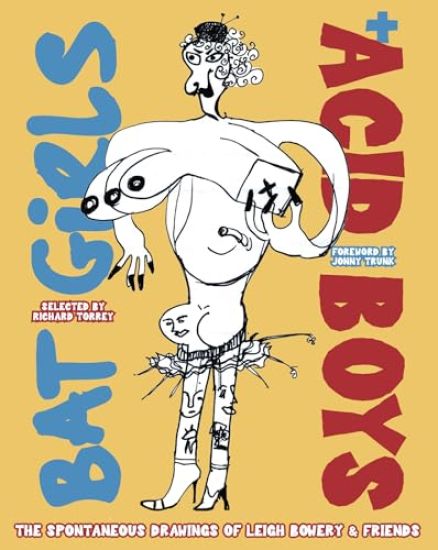
Bat Girls and Acid Boys

Bat Girls and Acid Boys

Richard Torry; Jonny Trunk

STRANGE ATTRACTOR PRESS
2025
nidottu

Halvin toimitettuna 22,00 €

120 vivid "exquisite corpse" drawings made by the outrageous artist, performer, and designer Leigh Bowery with friends and collaborators during the 1980s and 1990s. In the wild years of the 1980s and early '90s, when central London was a clubbers' paradise, a circle of young, queer friends, including the celebrated Australian designer, performer, musician, and provocateur Leigh Bowery and his Minty bandmates would get together at Richard Torry's Soho flat before hitting the town. To pass the time, the troupe would sometimes make "exquisite corpses," employing a technique popular with the Surrealists to create collaboratively-drawn compound images of often outrageous characters. The 120 images collected here, assembled from the Richard Torry archive, showcase the acerbic wit, lysergic absurdity, and sometimes cruel gaze of the young friends, while presenting an exaggerated snapshot of the era's styles, fashions, and obsessions.
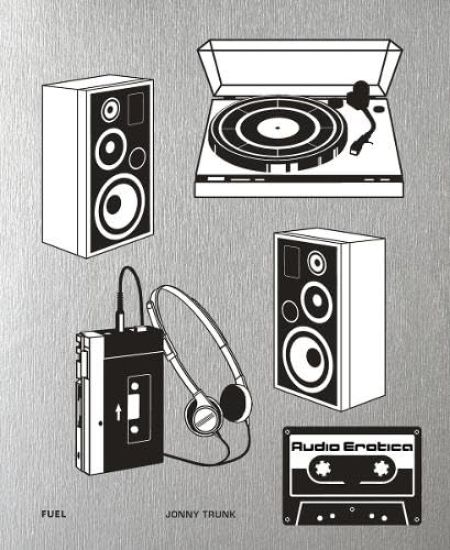
Audio Erotica: Hi-Fi brochures 1950s-1980s

Audio Erotica: Hi-Fi brochures 1950s-1980s

Jonny Trunk

Fuel Publishing
2024
nidottu

Halvin toimitettuna 30,00 €

Audio Erotica is a perfectly pitched visual anthem to home audio entertainment. Using sales brochures from the 1950-1980s, a symphony of graphic nostalgia tracks the technological progress of our listening pleasure. Remember roller-skating wearing your first Walkman? Or relaxing to easy-listening in your pure white Philips lounge? Or playing chess on your JVC tabletop radio? All these scenarios can be found in the geeky and rarefied world of the vintage hi-fi brochure, where graphic design and acoustic apparatus make magical music together. From austere post-war Britain to poppy pre-millennium Japan, Audio Erotica presents a nostalgic nirvana of the strangest and most significant period hi-fi brochures. Alphabetically listed, from Aiwa to Zenith, with Braun, JVC Nivico, Nakamichi, Sony and everything in between, this book will resonate with any music fan. Setting the tempo are the pipe-smoking, high-end separates (amplifiers, speakers, turntables) of the 1950s, followed by the swinging Dansette record players of the 1960s, the prog-brushed-metal music centres of the 1970s, and the sleek capitalist cabinet stack systems of the 1980s – not forgetting the aerobic stereo sound portability facilitated by the boom-box, and that final high-fidelity, hardware hurrah: the compact disc. All accompanied by questionable fashion decisions and acres of shag-pile carpet. The evocative brochures in Audio Erotica track the technological development of audio equipment before the digital download, while simultaneously revealing the way hi-fi was marketed to the listening public. With knobs on.
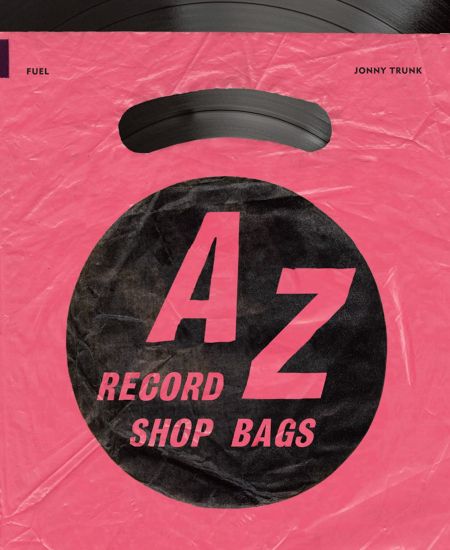
A-Z of Record Shop Bags: 1940s to 1990s

A-Z of Record Shop Bags: 1940s to 1990s

Jonny Trunk; Jon Savage

Fuel Publishing
2022
nidottu

Halvin toimitettuna 30,80 €

Chosen as one of the Best Architecture and Design books Summer 2022 by the Financial Times. Why British record store carrier bags are graphic design icons: While they’ve never carried the kudos of sleeve designs and music posters, record shop bags offer a fascinating insight into 20th century British music culture, high-streets and more. – Creative Review Jonny Trunk’s extensive collection of record shop bags weaves together a less conventional history of British music, celebrating the shops where musicians and fans bought and sold their first LPs. This book is a love letter to these forgotten spaces, accompanied by a juicy selection of anecdotes and little known facts about the record shops and their bags. Readers, gear up for a “brilliant ride down the old British high streets and low streets too.” – It's Nice That Jonny Trunk and FUEL present A-Z of Record Shop Bags – a publication celebrating the humble record store bag. This exhaustive collection of the record shop bag provides a unique perspective of record shopping in the UK over the last century, bringing together over 500 incredible bags (some possibly the only surviving examples) to document the fascinating story of British high street record shopping. Bags from famous chains such as NEMS, Our Price and Virgin (the amazingly rare Roger Dean bags), sit alongside designs from local shops run by eccentric enthusiasts. Packed with stories such as the first Jewish ska retailer, the record sellers who started the premier league, famous staff (David Bowie, Dusty Springfield, Morrissey, etc.) and equally infamous owners, these anecdotes of mythical vinyl entrepreneurs will entertain and delight. With vinyl record sales at their highest ever for decades (outselling CDs in the US), this publication acts as an amazing insight into the history, culture and visual language of record collecting. Following Own Label, Wrappers Delight and Auto Erotica – A-Z of Record Shop Bags: 1940s to 1990s is the next book in the series by Jonny Trunk and FUEL, examining overlooked aspects of our collective past.
Auto Erotica

Auto Erotica

Jonny Trunk; Bob Stanley

FUEL Publishing
2021
nidottu
The first book of its kind – a car book like no other – offering a deeply nostalgic look at beautiful vintage cars through the superb literature, leaflets and pamphlets that sold them to us. Auto Erotica covers the gamut of motoring in Britain during the 1960s, 1970s and 1980s. These rare ephemeral booklets are full of unusual graphic ideas and concepts. Their fabulous photography, dazzling colour charts, daring typography, strange fold outs and inspiring styles symbolise the automobile aspirations of generations of Britons. The book is also packed full of era-defining classic cars, from those we love to those you can’t remember. Expect fast Fords, the XJS, the TR8, MGs, minis, Maxis, Renaults, Beemers, VWs, Vivas, Citroens, DeLoreans and a whole lot more – amazing motors from the past and even some from the future – as you've never seen them before.
Wobbly Sounds

Wobbly Sounds

Jonny Trunk

Four Corners Books
2019
nidottu
For this book, the acclaimed music and ephemera aficionado Jonny Trunk (editor of The Music Library and Dressing for Pleasure) has brought together over 150 of the most remarkable flexi discs. Cheap, disposable, often with poor audio quality but with great visuals, flexi discs were vinyl's poorer cousin in the pre-digital age. Given away with magazines such as New Musical Express, Melody Maker and Private Eye, or sent out by advertisers, they were a splashy way of getting your message heard. Pressed onto laminated card or thin, wobbly plastic, these discs extolled the virtues of washing powders, beers and banks. Specially commissioned tunes took as their unlikely subjects shoe shops, bakers and even dentists. Wobbly Sounds brings together more than 150 of the most remarkable British flexi discs from the 1950s to the early 1990s, chronicling the varied and sometimes bizarre uses of these flimsy records. The result is a fascinating archive of postwar design and advertising ingenuity.
The Music Library

The Music Library

Jonny Trunk

FUEL Publishing
2016
sidottu

Halvin toimitettuna 32,50 €

The first edition of The Music Library, published in 2005 and now out of print, brought together the designs of more than 325 record sleeves and relevant information about these rare and elusive albums. Quickly becoming known as the music library "bible," The Music Library represented a valuable reference and also sparked a resurgence of interest in the subject over the last ten years, with many new library labels and recordings coming to light. Library music--also known as source or mood music--was made for use in film, TV, advertising and radio. It was given to TV channels and producers who needed cheap, signature music for animations, advertisements and television programs. Never commercially available for sale to the public, this music was pressed from the 1950s onwards in limited quantities, and then sent directly for use in production houses and radio stations. These LPs were intended for purpose and function, not for pop charts, and as a result they look and sound like nothing else. Without the usual music industry constraints, the record sleeve designers had almost complete freedom of expression, with unprecedented results. This new and expanded edition of The Music Library contains twice the content of the original book, featuring 625 rare sleeves from 230 music library companies of the 1960s, 1970s and early 1980s. The amazing cover designs of over 100 newly discovered library albums are beautifully reproduced (alongside all the sleeves contained in the first book) and accompanied by exhaustive, updated captions.
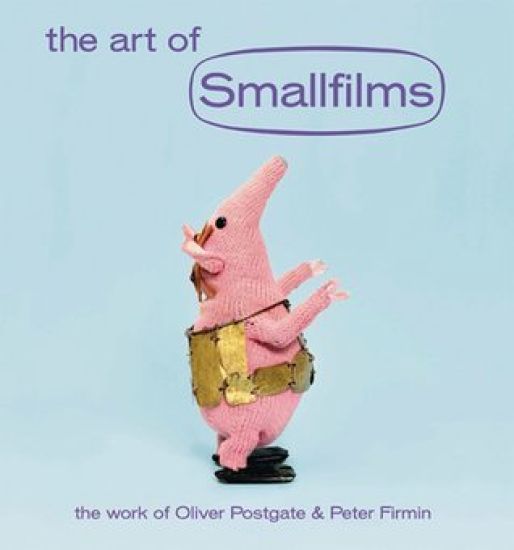
The Art of Smallfilms

The Art of Smallfilms

Oliver Postgate; Peter Firmin; Stewart Lee; Jonny Trunk

Four Corners Books
2014
sidottu
Working from a cowshed on a farm in Kent, Oliver Postgate (1925-2008) and Peter Firmin (born 1928) produced some of the best-loved British children's animated television of the 1960s and 1970s. Their iconic productions include Bagpuss (originally aired in 1974), The Clangers (1969-74), Ivor The Engine (1975-77), Pogles' Wood (1966-68) and Noggin The Nog (1959-65). Postgate and Firmin worked together from 1959 through the 1980s, creating popular, beloved characters that appealed to children and their parents alike, like the whistling, mousy Clangers (knitted by Firmin's wife Joan in bright pink wool) in outer space, the saggy, baggy cloth cat Bagpuss and the mild-mannered Viking boy Prince Noggin. Firmin painted the backdrops and created the models, and Postgate wrote scripts, did the stop-motion filming and frequently recorded the kindly, avuncular narration. This book, which includes a preface by Postgate's son Daniel, presents the Smallfilms archive: the puppets and cutouts from these shows (including some of the characters who didn't quite make the cut), along with insights into how they were created. The emphatically handmade models and painstakingly drawn illustrations that came to life in the Smallfilms productions are captured here in attentive, detailed photographs. The archive is presented like "a collection of artifacts in an exhibition detailing some much-admired twentieth-century art movement, like Fluxus or Dada," as acclaimed English stand-up comedian Stewart Lee notes in his introduction. The Art of Smallfilms, full of pipe cleaners, cotton balls, wire and ping-pong balls, celebrates the imagination and ingenuity of two artists who shaped a generation's childhood.