Kirjojen hintavertailu – 12 859 819 kirjaa ja 27 kauppaa

Kirjailija

Jonothan Neelands

Kirjat ja teokset yhdessä paikassa: 9 kirjaa, julkaisuja vuosilta 2000–2023, suosituimpiin kuuluu Open-space Learning. Vertaile teosten hintoja ja tarkista saatavuus suomalaisista kirjakaupoista.

9 kirjaa

Kirjojen julkaisuvuodet: 2000–2023.

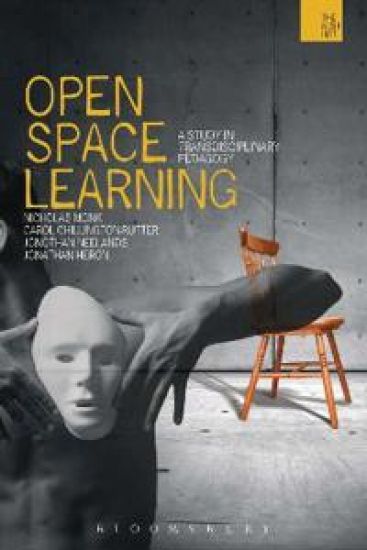
Open-space Learning

Open-space Learning

Nicholas Monk; Carol Chillington Rutter; Jonothan Neelands; Jonathan Heron

Bloomsbury Academic
2015
nidottu
This book is available as open access through the Bloomsbury Open Access programme and is available on www.bloomsburycollections.com. Open-space Learning offers a unique resource to educators wishing to develop a workshop model of teaching and learning. The authors propose an embodied, performative mode of learning that challenges the primacy of the lecture and seminar model in higher education. Drawing on the expertise of the CAPITAL Centre (Creativity and Performance in Teaching and Learning) at the University of Warwick, they show how pedagogic techniques developed from the theatrical rehearsal room may be applied effectively across a wide range of disciplines. The book offers rich case-study materials, supplemented by video and documentary resources, available to readers electronically. These practical elements are supplemented by a discursive strand, which draws on the methods of thinkers such as Freire, Vygotsky and Kolb, to develop a formal theory around the notion of Open-space Learning. CAPITAL was a collaboration between the University of Warwick's Department of English and the Royal Shakespeare Company. CAPITAL was succeeded by the Institute for Advanced Teaching and Learning (IATL) in 2010.
Open-space Learning

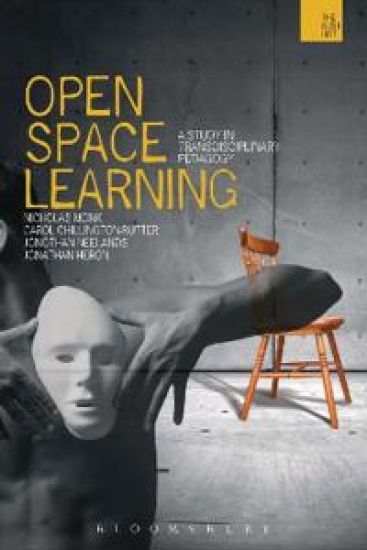
Open-space Learning

Nicholas Monk; Carol Chillington Rutter; Jonothan Neelands; Jonathan Heron

Bloomsbury Academic
2011
sidottu
This book is available as open access through the Bloomsbury Open Access programme and is available on www.bloomsburycollections.com. Open-space Learning offers a unique resource to educators wishing to develop a workshop model of teaching and learning. The authors propose an embodied, performative mode of learning that challenges the primacy of the lecture and seminar model in higher education. Drawing on the expertise of the CAPITAL Centre (Creativity and Performance in Teaching and Learning) at the University of Warwick, they show how pedagogic techniques developed from the theatrical rehearsal room may be applied effectively across a wide range of disciplines. The book offers rich case-study materials, supplemented by video and documentary resources, available to readers electronically. These practical elements are supplemented by a discursive strand, which draws on the methods of thinkers such as Freire, Vygotsky and Kolb, to develop a formal theory around the notion of Open-space Learning. CAPITAL was a collaboration between the University of Warwick's Department of English and the Royal Shakespeare Company. CAPITAL was succeeded by the Institute for Advanced Teaching and Learning (IATL) in 2010.

Beginning Drama 11–14

Beginning Drama 11–14

Jonothan Neelands

Routledge
2023
sidottu
‘I know of no more useful and enthusiastic book about what drama teaching is all about than this one.’ – The Use of EnglishThis third edition of Beginning Drama 11–14 has been fully updated and revised to reflect the new Secondary Curriculum and its emphasis on life long and life wide learning. It explores the roles, skills and knowledge needed to become an effective drama teacher and proposes practical ways for teachers to energise drama in the new Key Stage 3 curriculum. Written by a leading authority in the field for trainee and experienced teachers, the book provides practical advice and guidance on teaching the Key Stage 3 drama curriculum along with lesson plans for teachers to use. There are new sections on the assessment of pupils’ performances and ensemble based learning to show how drama can deliver the key personal and social aims of the curriculum as well as a detailed analysis of an exemplar scheme of work for Key Stage 3. This informative guide to Drama and Theatre Education at Key Stage 3 is based in best and next practice and essential for teachers interested in developing a broad and successful drama programme in school.
Beginning Drama 11–14

Beginning Drama 11–14

Jonothan Neelands

Routledge
2023
nidottu
‘I know of no more useful and enthusiastic book about what drama teaching is all about than this one.’ – The Use of EnglishThis third edition of Beginning Drama 11–14 has been fully updated and revised to reflect the new Secondary Curriculum and its emphasis on life long and life wide learning. It explores the roles, skills and knowledge needed to become an effective drama teacher and proposes practical ways for teachers to energise drama in the new Key Stage 3 curriculum. Written by a leading authority in the field for trainee and experienced teachers, the book provides practical advice and guidance on teaching the Key Stage 3 drama curriculum along with lesson plans for teachers to use. There are new sections on the assessment of pupils’ performances and ensemble based learning to show how drama can deliver the key personal and social aims of the curriculum as well as a detailed analysis of an exemplar scheme of work for Key Stage 3. This informative guide to Drama and Theatre Education at Key Stage 3 is based in best and next practice and essential for teachers interested in developing a broad and successful drama programme in school.
Improve your Primary School Through Drama

Improve your Primary School Through Drama

Rachel Dickinson; Jonothan Neelands

CRC Press
2016
sidottu
Using drama right across the curriculum to improve and invigorate teaching and learning, this book provides whole school and individual class approaches underpinned by sound theory and implemented in a real primary school. Explanations and examples are given in a clear and accessible style, and links are made to The National Strategy. The book illustrates a wide range of strategies that show how drama can help with:behaviorinclusion and multicultural issues improving the whole school ethosinvolving parents and governors. This user-friendly and comprehensive text is the perfect support tool for teachers and managers ready to improve their school regardless of whether they're approaching drama for the first time or are already passionate about it.
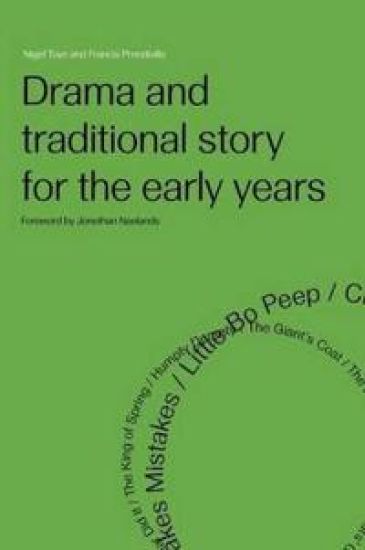
Drama and Traditional Story for the Early Years

Drama and Traditional Story for the Early Years

Francis Prendiville; Jonothan Neelands; Nigel Toye

Routledge
2016
sidottu
This is a book that looks at how drama has its basis in good early years practice. Most early years practitioners are doing some drama and are edging towards more structured work - this text will help them go further by building their own skills. Using tried and tested example dramas based on traditional stories, the authors show how clearly dramas are constructed. They move from the simple use if TiR (Teacher in Role) to more complex, full dramas, using traditional stories including Little Bo Peep, Cinderella, Sleeping Beauty, Humpty Dumpty, The Pied Piper, The Billy Goats Gruff and Hansel and Gretel. Drama in the early years covers a number of key areas where drama is of particular importance for this age group including: * drama in the National Curriculum * how drama can help your teaching of the Literacy Hour * personal and social education and citizenship * drama and special needs * assessment * recording and progression * developing a school policy for drama.
Improve your Primary School Through Drama

Improve your Primary School Through Drama

Rachel Dickinson; Jonothan Neelands

David Fulton Publishers Ltd
2006
nidottu
Using drama right across the curriculum to improve and invigorate teaching and learning, this book provides whole school and individual class approaches underpinned by sound theory and implemented in a real primary school. Explanations and examples are given in a clear and accessible style, and links are made to The National Strategy. The book illustrates a wide range of strategies that show how drama can help with:behaviorinclusion and multicultural issues improving the whole school ethosinvolving parents and governors. This user-friendly and comprehensive text is the perfect support tool for teachers and managers ready to improve their school regardless of whether they're approaching drama for the first time or are already passionate about it.
Beginning Drama 11-14

Beginning Drama 11-14

Jonothan Neelands

David Fulton Publishers Ltd
2004
sidottu
This guide explores the roles, skills and knowledge needed to become an effective drama teacher. It combines practical advice on planning, teaching and assessing with the best teaching practices. It also offers lesson plans for years 7-9 students to use intheir teaching.
Drama and Traditional Story for the Early Years

Drama and Traditional Story for the Early Years

Francis Prendiville; Jonothan Neelands; Nigel Toye

Routledge
2000
nidottu
This is a book that looks at how drama has its basis in good early years practice. Most early years practitioners are doing some drama and are edging towards more structured work - this text will help them go further by building their own skills. Using tried and tested example dramas based on traditional stories, the authors show how clearly dramas are constructed. They move from the simple use if TiR (Teacher in Role) to more complex, full dramas, using traditional stories including Little Bo Peep, Cinderella, Sleeping Beauty, Humpty Dumpty, The Pied Piper, The Billy Goats Gruff and Hansel and Gretel. Drama in the early years covers a number of key areas where drama is of particular importance for this age group including: * drama in the National Curriculum * how drama can help your teaching of the Literacy Hour * personal and social education and citizenship * drama and special needs * assessment * recording and progression * developing a school policy for drama.