Kirjojen hintavertailu – 12 903 724 kirjaa ja 27 kauppaa

Kirjailija

Jordan Bear

Kirjat ja teokset yhdessä paikassa: 3 kirjaa, julkaisuja vuosilta 2015–2016, suosituimpiin kuuluu Natural Magic. Vertaile teosten hintoja ja tarkista saatavuus suomalaisista kirjakaupoista.

3 kirjaa

Kirjojen julkaisuvuodet: 2015–2016.

Disillusioned

Disillusioned

Jordan Bear

Pennsylvania State University Press
2016
pokkari
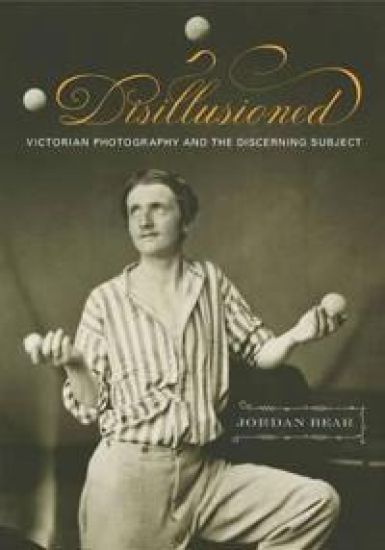
How do photographs compel belief and endow knowledge? To understand the impact of photography in a given era, we must study the adjacent forms of visual persuasion with which photographs compete and collaborate. In photography’s early days, magic shows, scientific demonstrations, and philosophical games repeatedly put the visual credulity of the modern public to the test in ways that shaped, and were shaped by, the reality claims of photography. These venues invited viewers to judge the reliability of their own visual experiences. Photography resided at the center of a constellation of places and practices in which the task of visual discernment—of telling the real from the constructed—became an increasingly crucial element of one’s location in cultural, political, and social relations. In Disillusioned: Victorian Photography and the Discerning Subject, Jordan Bear tells the story of how photographic trickery in the 1850s and 1860s participated in the fashioning of the modern subject. By locating specific mechanisms of photographic deception employed by the leading mid-century photographers within this capacious culture of discernment, Disillusioned integrates some of the most striking—and puzzling—images of the Victorian period into a new and expansive interpretive framework.
Natural Magic

Natural Magic

Jordan Bear; Russell Lord; Lisa Volpe

University of Washington Press
2015
sidottu
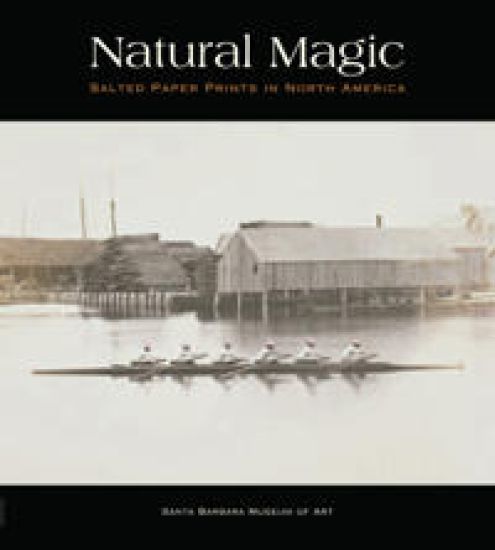
The salted paper print process and the daguerreotype were invented, for all practical purposes, simultaneously. Though using different materials and methods (the salted paper print was patented, while daguerreotype was not) still both achieved the miracle of fixing an image from life within a substrate—in other words, they ushered in the medium of photography. The uses of each form of photography varied greatly. In Europe the salted paper print was valued for its aesthetic qualities-the massing of light and the softening of detail—while in North America, the salted paper print was valued for its portability and reproducibility. At the same time, the three evolving regions that comprised North America—Canada, the United States and Mexico—faced quite different realities and challenges than those in Europe (primarily France and Britain). In North America artistic merit was less of a priority, as each emerging nation faced vast, untamed territories, as well as social and political tumult. These were countries in the making—defining borders, struggling to create identities, and establishing metropolitan areas and transportation networks, while the scions on the other side of the Atlantic cast a leisurely eye to their artistic, architectural, and colonial heritage for subject matter. Scant research has been done on the use of the salted paper print in North America during its brief period of use (approximately 1847–1865); physical prints are often found in obscure collections and locations, and they are, as is true for most works on paper from that period, exceedingly fragile. This volume, with essays by three up and coming 19th-century scholars, offers new views on the use and employment of the salted paper print in North America. The hope is that this publication will encourage investigation, for the history of photography has many areas of terra incognita yet to discover.
Disillusioned

Disillusioned

Jordan Bear

Pennsylvania State University Press
2015
sidottu
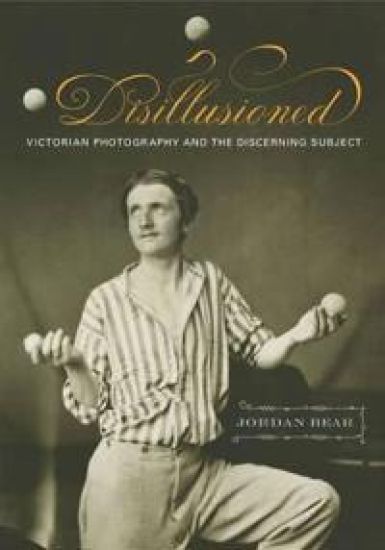
How do photographs compel belief and endow knowledge? To understand the impact of photography in a given era, we must study the adjacent forms of visual persuasion with which photographs compete and collaborate. In photography’s early days, magic shows, scientific demonstrations, and philosophical games repeatedly put the visual credulity of the modern public to the test in ways that shaped, and were shaped by, the reality claims of photography. These venues invited viewers to judge the reliability of their own visual experiences. Photography resided at the center of a constellation of places and practices in which the task of visual discernment—of telling the real from the constructed—became an increasingly crucial element of one’s location in cultural, political, and social relations. In Disillusioned: Victorian Photography and the Discerning Subject, Jordan Bear tells the story of how photographic trickery in the 1850s and 1860s participated in the fashioning of the modern subject. By locating specific mechanisms of photographic deception employed by the leading mid-century photographers within this capacious culture of discernment, Disillusioned integrates some of the most striking—and puzzling—images of the Victorian period into a new and expansive interpretive framework.