Kirjojen hintavertailu – 12 903 725 kirjaa ja 27 kauppaa

Kirjailija

José A. Cobas

Kirjat ja teokset yhdessä paikassa: 4 kirjaa, julkaisuja vuosilta 2009–2013, suosituimpiin kuuluu Latinos Facing Racism. Vertaile teosten hintoja ja tarkista saatavuus suomalaisista kirjakaupoista.

4 kirjaa

Kirjojen julkaisuvuodet: 2009–2013.

Latinos Facing Racism

Latinos Facing Racism

Joe R. Feagin; José A. Cobas

Paradigm
2013
nidottu
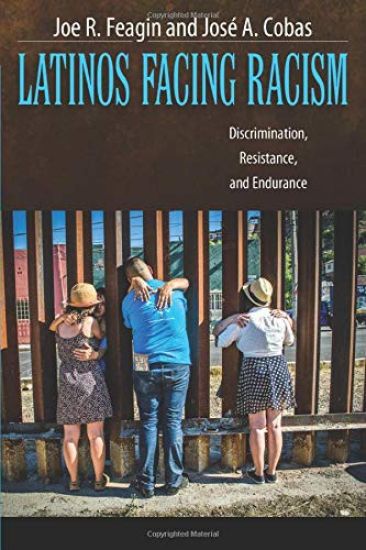
Feagin and Cobas provide the first in-depth examination of the everyday racism faced by middle-class Latinos. Based on a national survey, we learn how a diverse group of talented Latinos Mexican Americans, Puerto Rican Americans, Cuban Americans, and others respond to and cope with the commonplace white racial framing and discriminatory practices. Drawing on extensive interviewing, the authors address the recurring discrimination of ordinary whites directed against Spanish speakers and individuals with presumed Latino phenotypes. These incidents occur in everyday encounters, such as when male and female Latinos travel or shop. The book also chronicles the mistreatment that Latinos face from immigration officials when they cross US borders and from the police when they are racially profiled outside Latino areas. Critical and conforming Latino responses to recurring white discrimination are also extensively examined, as well as the diverse Latino reactions to remedial programs like affirmative action and to the ideal of assimilation into the proverbial US melting pot. "
Latinos Facing Racism

Latinos Facing Racism

Joe R. Feagin; José A. Cobas

Paradigm
2013
sidottu
This book provides the first in-depth examination of the everyday racism faced by middle-class Latinos. It chronicles the mistreatment that Latinos face from immigration officials when they cross US borders and from the police when they are racially profiled outside "Latino areas."
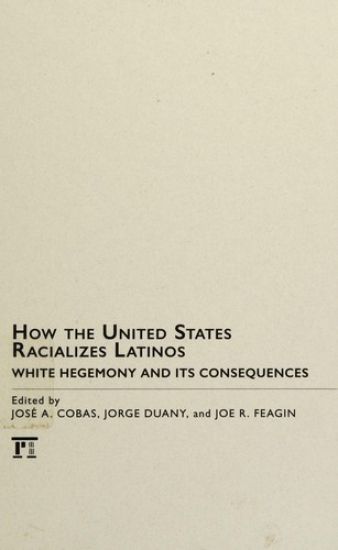
How the United States Racializes Latinos

How the United States Racializes Latinos

José A. Cobas; Jorge Duany; Joe R. Feagin

Paradigm
2009
nidottu
Mexican and Central American undocumented immigrants, as well as U. S. citizens such as Puerto Ricans and Mexican-Americans, have become a significant portion of the U. S. population. Yet the U. S. government, mainstream society, and radical activists characterize this rich diversity of peoples and cultures as one group alternatively called "Hispanics," "Latinos," or even the pejorative "Illegals." How has this racializing of populations engendered governmental policies, police profiling, economic exploitation, and even violence that afflict these groups? From a variety of settings-New York, New Jersey, Los Angeles, Central America, Cuba-this book explores this question in considering both the national and international implications of U. S. policy. Its coverage ranges from legal definitions and practices to popular stereotyping by the public and the media, covering such diverse topics as racial profiling, workplace discrimination, mob violence, treatment at border crossings, barriers to success in schools, and many more. It shows how government and social processes of racializing are too seldom understood by mainstream society, and the implication of attendant policies are sorely neglected.
How the United States Racializes Latinos

How the United States Racializes Latinos

José A. Cobas; Jorge Duany; Joe R. Feagin

Paradigm
2009
sidottu
Mexican and Central American undocumented immigrants, as well as U. S. citizens such as Puerto Ricans and Mexican-Americans, have become a significant portion of the U. S. population. Yet the U. S. government, mainstream society, and radical activists characterize this rich diversity of peoples and cultures as one group alternatively called "Hispanics," "Latinos," or even the pejorative "Illegals." How has this racializing of populations engendered governmental policies, police profiling, economic exploitation, and even violence that afflict these groups? From a variety of settings-New York, New Jersey, Los Angeles, Central America, Cuba-this book explores this question in considering both the national and international implications of U. S. policy. Its coverage ranges from legal definitions and practices to popular stereotyping by the public and the media, covering such diverse topics as racial profiling, workplace discrimination, mob violence, treatment at border crossings, barriers to success in schools, and many more. It shows how government and social processes of racializing are too seldom understood by mainstream society, and the implication of attendant policies are sorely neglected.