Kirjojen hintavertailu – 12 903 724 kirjaa ja 27 kauppaa

Kirjailija

Jose Arturo Garza-Reyes

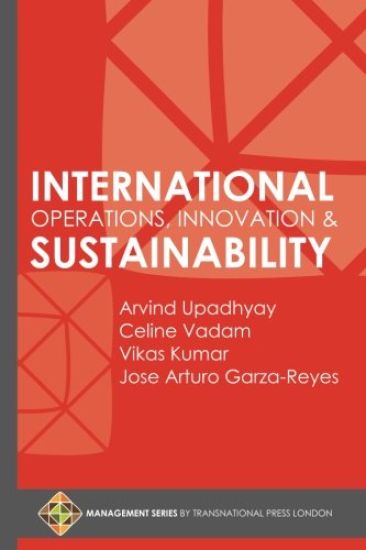
Kirjat ja teokset yhdessä paikassa: 8 kirjaa, julkaisuja vuosilta 2010–2020, suosituimpiin kuuluu International Operations, Innovation and Sustainability. Vertaile teosten hintoja ja tarkista saatavuus suomalaisista kirjakaupoista.

8 kirjaa

Kirjojen julkaisuvuodet: 2010–2020.

Lean Readiness Level of the Azerbaijan Construction Industry

Lean Readiness Level of the Azerbaijan Construction Industry

Hajibaba Aghayev; Jose Arturo Garza-Reyes

LAP Lambert Academic Publishing
2020
pokkari
Lean methodology originally was developed for particularly manufacturing industry. Starting from the end of 20th century it has started to enhance its popularity among other business fields such as banking, healthcare, construction etc. However, despite its massive benefits there are many cases when many organisations faced with various difficulties which at the end affected their business performance. Thus, before applying lean methodology some particular critical success factors need to be considered which wrong application can cause big lost for a company. In this sense before applying lean approach it is useful to check an organisation's lean readiness level in order to identify all critical success factors. Hence, this research study aims to identify and measure the lean readiness of Azerbaijan construction industry in general for finding its strong and places of improvement as well. A survey questionnaire has been conducted to evaluate the lean readiness of Azerbaijan construction industry through measuring its quality practices and to test three hypotheses which were developed during working on literature review.
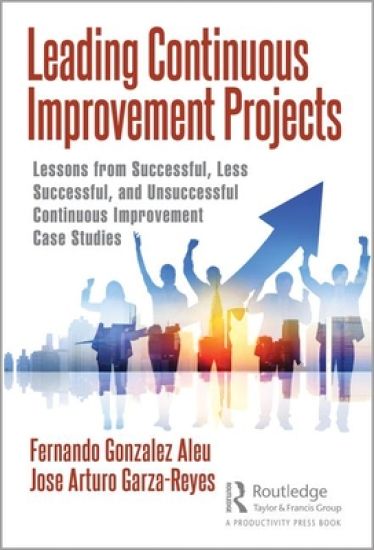
Leading Continuous Improvement Projects

Leading Continuous Improvement Projects

Fernando Gonzalez Aleu; Jose Arturo Garza-Reyes

CRC Press
2020
sidottu
This book is a reference for continuous improvement project (CIP) leaders/facilitators in manufacturing and service organizations, students (undergraduate and graduate), academics responsible for managing senior projects (Capstone Projects) and teaching quality courses, and researchers interested in how organizations could produce more effective and efficient continuous improvement initiatives and projects. The authors collected and analyzed information and results from CIPs they facilitated or co-advised, such as the improvement of the service level in a bottle manufacturing organization, reduction of changeover in a brewery manufacturing organization, reduction of ambulance response time, and reduction of scrap in a steel transformation manufacturing organization. Many of the CIPs were previously part of award-winning white papers documenting critical improvements. Throughout this book, readers will learn: different types of CIPs metrics to identify successful CIPs the 53 factors related to CIPs success how to manage CIPs behaviors to achieve outstanding results from CIPs. Three of the chapters are supplemented with three or more case studies. In addition, the final chapter includes a list of behaviors expected from directors, continuous improvement managers, CIP leaders/facilitators, and CIP team members to obtain the major benefits from CIPs.
Intelligent Agriculture

Intelligent Agriculture

Gonzalo Maldonado-Guzmán; Jose Arturo Garza-Reyes; Lizeth Itziguery Solano-Romo

Emerald Publishing Limited
2019
nidottu
Intelligent Agriculture: Developing a System for Monitoring and Controlling Production examines the development of Wireless Sensor Network (WSN) technology designed to monitor and control agriculture production. The book is divided into four sections which illustrate the innovative technology of this product. Section One explores the consumer's discovery of the product and includes a benchmark analysis of the WSN against other similar technologies alongside a technological roadmap, intellectual property analysis and value proposal. Sections Two and Three demonstrate the development of WSN technology in relation to system architecture and software application. Finally, Section Four outlines concept activities used to test the WSN technology and its solutions. An illuminating resource for academics and professionals within the fields of agriculture and agribusiness, this volume will also serve as a helpful guide for other technological sectors as a reference for the development of new technologies.
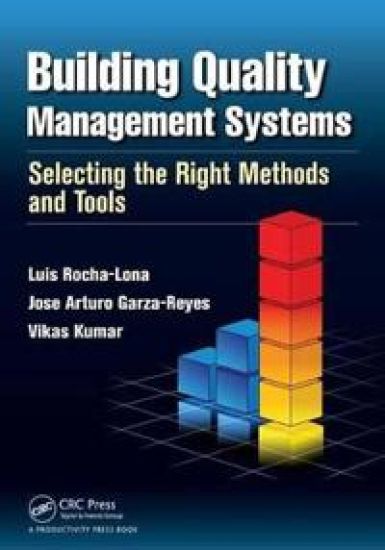
Building Quality Management Systems

Building Quality Management Systems

Luis Rocha-Lona; Jose Arturo Garza-Reyes; Vikas Kumar

CRC Press
2017
sidottu
Quality has quickly become one of the most important decision-making factors for consumers. And although organizations invest considerable resources into building the right quality management systems (QMSs), in many instances, the adoption of such quality improvement tools are just not enough. Building Quality Management Systems: Selecting the Right Methods and Tools explains exactly what directors, practitioners, consultants, and researchers must do to make better choices in the design, implementation, and improvement of their QMSs. Based on the authors decades of industrial experience working on business improvement projects for multinationals looking to design or improve their QMSs, the book discusses building QMSs based on two important organizational elements: needs and resources. It begins with an overview of QMSs and systems thinking and the impact of QMSs on financial performance. Illustrating the process management approach, it reviews the most well-known business and quality improvement models, methods, and tools that support a major QMS. The authors introduce their own time-tested methodology for designing, implementing, and enhancing your own QMS. Using their proven method, you will learn how to: Implement a strategic quality plan based on your specific needs, capabilities, cost benefits, policies, and business strategies Select the right models, methods, and tools to be adopted as part of your QMS Understand the critical success factors and implementation challenges Evaluate the level of maturity of your QMS and your implementation efforts Highlighting the importance of quality as a way of life, this book supplies the understanding you‘ll need to make the right choices in the development and deployment of your QMS. With a clear focus on business performance and process management, it provides the basis for creating the quality management culture require
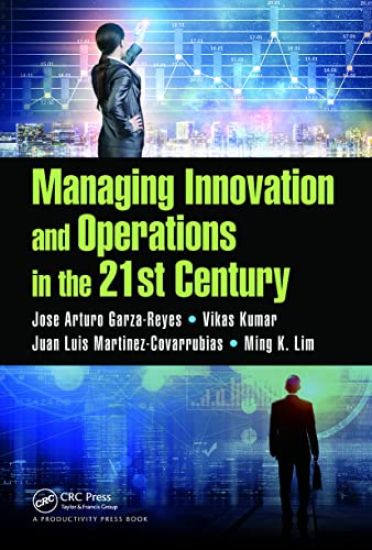
Managing Innovation and Operations in the 21st Century

Managing Innovation and Operations in the 21st Century

Jose Arturo Garza-Reyes; Vikas Kumar; Juan Luis Martinez-Covarrubias; Ming K Lim

CRC Press
2017
sidottu
This book is for directors, consultants, practitioners, and professionals aspiring to effectively manage operations, but is targeted at applying innovation to the management of operations, including supply chains. It is appropriate for those establishing a career in innovation and operations management. This book will: Equip readers with understanding of the nature of innovation, operations management concepts, business models, methods and tools; Explore best practices and most commonly used operations and innovation business models, methods, and tools used by successful organisations; Consider particular operational issues directly impact the competitiveness of organisations
Building Quality Management Systems

Building Quality Management Systems

Luis Rocha-Lona; Jose Arturo Garza-Reyes; Vikas Kumar

CRC Press Inc
2013
nidottu
Quality has quickly become one of the most important decision-making factors for consumers. And although organizations invest considerable resources into building the right quality management systems (QMSs), in many instances, the adoption of such quality improvement tools are just not enough. Building Quality Management Systems: Selecting the Right Methods and Tools explains exactly what directors, practitioners, consultants, and researchers must do to make better choices in the design, implementation, and improvement of their QMSs. Based on the authors’ decades of industrial experience working on business improvement projects for multinationals looking to design or improve their QMSs, the book discusses building QMSs based on two important organizational elements: needs and resources. It begins with an overview of QMSs and systems thinking and the impact of QMSs on financial performance. Illustrating the process management approach, it reviews the most well-known business and quality improvement models, methods, and tools that support a major QMS. The authors introduce their own time-tested methodology for designing, implementing, and enhancing your own QMS. Using their proven method, you will learn how to: Implement a strategic quality plan based on your specific needs, capabilities, cost–benefits, policies, and business strategiesSelect the right models, methods, and tools to be adopted as part of your QMSUnderstand the critical success factors and implementation challengesEvaluate the level of maturity of your QMS and your implementation effortsHighlighting the importance of quality as a way of life, this book supplies the understanding you’ll need to make the right choices in the development and deployment of your QMS. With a clear focus on business performance and process management, it provides the basis for creating the quality management culture required to become a world-class organization.