Kirjojen hintavertailu – 12 903 725 kirjaa ja 27 kauppaa

Kirjailija

JOSE BILLER

Kirjat ja teokset yhdessä paikassa: 15 kirjaa, julkaisuja vuosilta 2010–2026, suosituimpiin kuuluu Practical Neurology Print + eBook with Multimedia. Vertaile teosten hintoja ja tarkista saatavuus suomalaisista kirjakaupoista.

Nimi esiintyy myös muodoissa: José Biller

15 kirjaa

Kirjojen julkaisuvuodet: 2010–2026.

Practical Neurology Print + eBook with Multimedia

Practical Neurology Print + eBook with Multimedia

JOSE BILLER

Wolters Kluwer Health
2026
pokkari
Now in full color throughout, Practical Neurology, 6th Edition, provides easy access to the clinically relevant information you need to know in neurology. Edited by Dr. José Biller, this fully revised edition presents the tried-and-true approaches of seasoned practitioners, as well as fresh perspectives from new authors, offering a concise complement to core neurology texts for practical, everyday use. Organized in a reader-friendly outline format with straightforward, templated chapters, it discusses recent diagnostic and therapeutic advances in the clinical neurosciences to keep you fully up to date in this complex field. Uses a templated, problem-oriented format that shows you how to approach the patient with a variety of disorders; the second half of the book discusses treatment options Includes access to clinical videos for each chapter that provide real-world examples of common clinical problems Contains new chapters on Approach to Issues of Guardianship and Civil Rights in Patients With Neurologic Disorders; Traumatic Brain Injury; Clinical Pharmacokinetics of Antiseizure Medications; Neuromyelitis Optica Spectrum Disorder and Myelin Oligodendrocyte Glycoprotein Antibody Disease; Autoimmune Encephalitis; and Neurotoxicity of Cancer Therapies
Instant Neurological Diagnosis

Instant Neurological Diagnosis

Christopher H. Hawkes; Bettina Balint; José Biller

OXFORD UNIVERSITY PRESS INC
2025
nidottu
Experienced neurologists work fast. They take a brief history, perform a short examination (if that), and make an accurate diagnosis. Traditionally such skill stems from experience but diagnostic expertise can be taught. This approach is the core philosophy of Instant Neurological Diagnosis. First published in 2016, Instant Neurological Diagnosis quickly became a must-have for the practicing neurologist looking to acquire the expertise to make rapid diagnoses. This best-selling guide became an indispensable source of diagnostic clues, starting from a patient's appearance all the way down to a directed clinical examination. In this completely revised and updated resource, the authors continue to provide a one-of-a-kind work that illustrates unique neurologic cases with their specific signs and clues, without revealing the actual diagnosis. Reinforced with over 200 videos, every trade secret ('Handle') the authors know is listed in the relevant chapters along with warning messages termed 'Red Flags'. With the aid of these powerful diagnostic shortcuts, the reader is guided rapidly toward the correct conclusion.
100 diagnósticos clave en neurología

100 diagnósticos clave en neurología

Ilya Kister; Jose Biller

Ovid Technologies
2022
pokkari
Para obtener un diagnóstico clínico considere los cinco datos más frecuentes (durante la anamnesis, la exploración física o en los estudios de laboratorio) de un padecimiento específico. Si al menos tres de los cinco elementos no están presentes en un paciente es probable que el diagnóstico sea erróneo. C. MILLER FISHERA partir de este precepto del Dr. C. Miller Fisher, uno de los grandes neurólogos del siglo XX, los doctores Ilya Kister y José Biller han identificado los cinco hallazgos más frecuentes de los 100 síndromes y padecimientos neurológicos más comunes e importantes. El distintivo formato de 100 diagnósticos clave en Neurología incluye sinopsis con las características principales de cada enfermedad o padecimiento, ilustraciones y preguntas de estudio, los cuales hacen de esta obra una excelente herramienta para construir una base sólida de conocimientos en neurología y una referencia rápida para médicos de primer contacto o profesionales de la neurología. A través de 17 capítulos, esta obra breve y concisa sirve también como referencia para revisar con rapidez las características clínicas, diagnósticas y terapéuticas de un padecimiento específico y determinar si la presentación clínica del paciente cumple la regla «tres de cinco» de Fisher.
Localization in Clinical Neurology

Localization in Clinical Neurology

Paul W. Brazis; Joseph C. Masdeu; Jose Biller

Wolters Kluwer Health
2021
sidottu

Halvin toimitettuna 260,90 €

Selected as a Doody's Core Title for 2025! Anatomical localization skills based in physical examination are essential for any clinician caring for patients with neurologic disease processes. Now fully revised and up to date, Localization in Clinical Neurology, 8th Edition, uses easy-to-read descriptions, full-color illustrations and videos to help readers understand and locate the source of a patient’s signs and symptoms. This gold standard text now features dozens of clinical videos that help clinicians improve diagnostic accuracy and avoid unnecessary testing. Offers comprehensive coverage of all brain regions as well as cranial, spinal, and peripheral nerves. Provides detailed discussions of relevant anatomy and of lesions related to each anatomic feature. Includes nearly 100 NEW clinical videos designed to help pinpoint the source of patients’ signs and symptoms. Features numerous high-quality line drawings and 100 useful tables that help you quickly grasp important aspects of this challenging area of clinical neurology. Enrich Your eBook Reading ExperienceRead directly on your preferred device(s), such as computer, tablet, or smartphone. Easily convert to audiobook, powering your content with natural language text-to-speech.
Top 100 Diagnoses in Neurology

Top 100 Diagnoses in Neurology

Ilya Kister; Jose Biller

Wolters Kluwer Health
2020
pokkari
“This book offers a quick and effective guide to review and self-evaluate the key aspects of the common ‘not-to-miss’ diagnoses in day-to-day practice.” Abhishek Lenka, MD, PhD, Doody's Review Service"In arriving at a clinical diagnosis, think of the five most common findings (either historical, physical findings, or laboratory) found in a given disorder. If at least three of these five are not present in a given patient, the diagnosis is likely to be wrong." C. Miller Fisher Building on this precept from the great 20th-century neurologist C. Miller Fisher, Drs. Ilya Kister and José Biller have identified the five most common findings for the ‘top 100’ most common and important neurologic syndromes and disorders. The unique format of Top 100 Diagnoses in Neurology includes synopses that tie together the core disease features, illustrations and study questions for each entry, making this book an excellent tool for building a firm knowledge base in neurology and a quick reference for clinicians – neurologists and general practitioners alike. Covers the five core features of 100 of the most important neurologic syndromes and disorders, including polyneuropathies, neurologic vision disorders, movement disorders, epilepsy syndromes, multiple sclerosis, autism spectrum disorder, cerebral palsy, opioid overdose, brain tumors, and much more. Icons are used to identify neurologic emergencies and specify disease prevalence (common, rare, very rare). Includes brief introductions to each section that provide an essential clinical context for each area. Features helpful learning tools for each entry, including illustrations of key concepts, mnemonics, clinical pearls; and carefully chosen study questions to encourage further study and test your knowledge. Each entry contains free online references. Helps you quickly refresh your knowledge of specific disorders and ascertain whether your patients’ diagnoses satisfy Fisher’s “three-of-five” rule. Enrich Your eBook Reading ExperienceRead directly on your preferred device(s), such as computer, tablet, or smartphone. Easily convert to audiobook, powering your content with natural language text-to-speech.
Concise Neurology: A Focused Review, 2nd Edition

Concise Neurology: A Focused Review, 2nd Edition

Alberto J. Espay; Jose Biller

Wolters Kluwer Health
2020
pokkari
With easy-to-read, high-yield coverage of essential information in neurology, Concise Neurology: A Focused Review is a practical, everyday reference for busy practitioners, fellows, residents, and students who need a rapid overview of a complex subject. The second edition has been almost entirely rewritten to stay current with recent developments in the field but retains its quick-reference format: an intuitively designed one- or two-page presentation of each topic to facilitate rapid review. Virtually every topic of interest is covered, including the core concepts in diagnosis and treatment for each syndrome or disease. Material is presented in order of clinical relevance, maintaining a thematic unity across related pages for the most effective, efficient review. An engaging writing style offers many pearls and personal explanations from the authors that clarify difficult concepts. Every page offers a quick yet thoughtful summary of key points, making it particularly useful for busy residents, fellows, and practitioners. Enrich Your Ebook Reading ExperienceRead directly on your preferred device(s),such as computer, tablet, or smartphone. Easily convert to audiobook,powering your content with natural language text-to-speech.
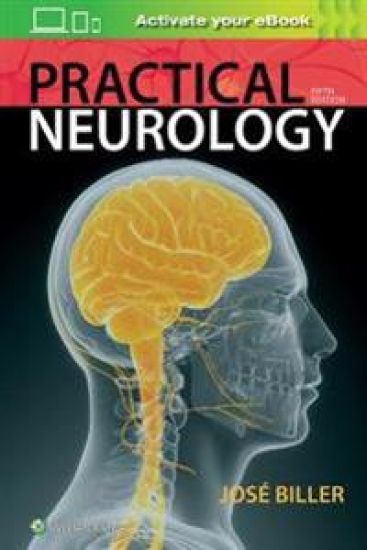
Practical Neurology

Practical Neurology

Jose Biller

Lippincott Williams and Wilkins
2017
pokkari
Put key neurology information at your fingertips and successfully apply it in practice with Practical Neurology, Fifth Edition . This popular reference is a concise complement to core neurology texts, providing easy access to the clinically relevant information you need to know. Organized in a reader-friendly outline format with straightforward, templated chapters, this edition contains new chapters that highlight recent advances in neurotherapeutics and clinical neurosciences, 82 new clinical videos, and fully updated content throughout. Key Features: Features five all-new chapters: Approach to the Ataxic Patient, Approach to the Patient with Functional Disorders in the Neurology Clinic, Approach to the Patient with Suspected Brain Death, Approach to Common Emergencies in Pediatric Neurology, and Inherited Metabolic Neurologic Disorders. Includes access to more than 80 new clinical videos online, providing real-world exposure to a variety of clinical problems. Uses a problem-oriented format that shows you how to approach the patient with a variety of disorders; the second half of the book discusses treatment options. Presents the tried-and-true approaches of seasoned practitioners, as well as fresh perspectives from new authors. Now with the print edition, enjoy the bundled interactive eBook edition, which can be downloaded to your tablet and smartphone or accessed online and includes features like:Complete content with enhanced navigationPowerful search tools and smart navigation cross-links that pull results from content in the book, your notes, and even the webCross-linked pages, references, and more for easy navigationHighlighting tool for easier reference of key content throughout the textAbility to take and share notes with friends and colleaguesQuick reference tabbing to save your favorite content for future use
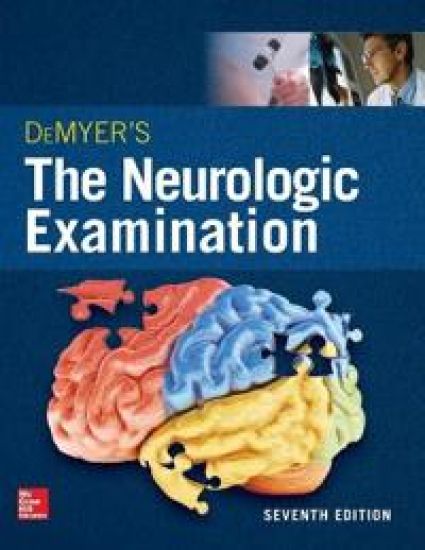
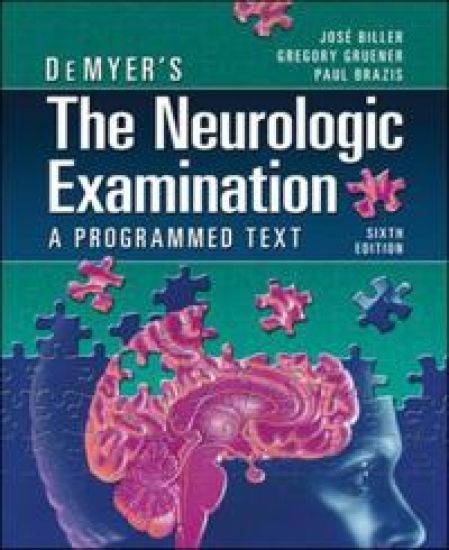
DeMyer's The Neurologic Examination: A Programmed Text, Seventh Edition

DeMyer's The Neurologic Examination: A Programmed Text, Seventh Edition

Jose Biller; Gregory Gruener; Paul Brazis

McGraw-Hill Inc.,US
2016
nidottu
Publisher's Note: Products purchased from Third Party sellers are not guaranteed by the publisher for quality, authenticity, or access to any online entitlements included with the product. The single-best guide to learning how to perform the diagnostic neurologic examination – enhanced by more than 80 online videosPresented in full color, DeMyer’s provides neurologists and psychiatrists in training with a proven, didactic way to learn the complicated technique of using the physical examination to diagnose neurologic illness. This trusted classic also reviews the anatomy and physiology necessary to interpret the examination, and it details the laboratory tests and neuroimaging best suited for a particular clinical problem. You will also find complete, up-to-date coverage of the latest imaging modalities for assessing disease. Utilizing a learn at your own pace teaching approach, DeMyer’s The Neurologic Examination features valuable learning aids such as:· Full-color illustrations that clearly explain neuroanatomy and physiology· Detailed tables and mnemonics to help you remember important steps and signs to look for during the examination· Learning Objectives to help you organize and retain important takeaways from each chapter· Questions and answers within the text to reinforce key points
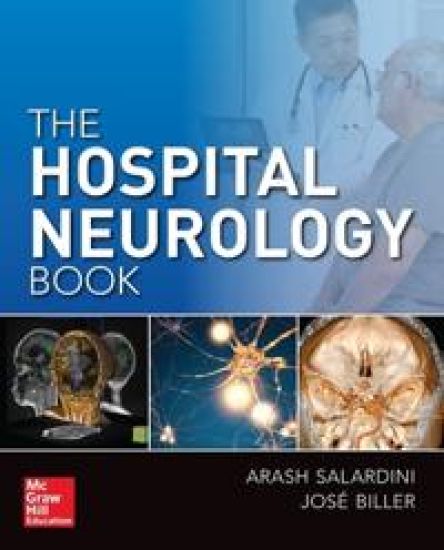
The Hospital Neurology Book

The Hospital Neurology Book

Arash Salardini; Jose Biller

McGraw-Hill Professional
2016
nidottu
Publisher's Note: Products purchased from Third Party sellers are not guaranteed by the publisher for quality, authenticity, or access to any online entitlements included with the product. A practical, protocol-oriented guide to the practice of neurology in the hospital settingA Doody's Core Title for 2019! Designed to meet the need for a practical and pedagogical resource on hospital neurology, The Hospital Neurology Book is a concise and useful work that guides general neurologists, neurohospitalists, and internists in the proper care of patients in the hospital who have neurological diseases and disorders and associated internal medicine conditions. The Hospital Neurology Book features a highly readable format, providing information physicians can act upon, including recipes and protocols for patient care and question-based chapter headings that lead physicians to the exact issue they are dealing with in the moment. Realistic case studies appear throughout chapters alongside practical tables, algorithms, full-color illustrations, radiological images, detailed references, and high yield key points useful for consolidating learning.· A unique practical and pedagogical tool that takes a symptoms-based approach to neurology practice in the hospital setting· Organized around common presentations that a hospital neurologist or a hospitalist with neurology patients would likely encounter· Utilizes a case-based approach for optimum assimilation of information· Concentrates on presenting hospital neurology in a digestible way, focusing on practical information and approach, while providing references to more detailed sources of information· Each chapter is self-contained and can be read in any particular order, based on interest or needIf you are looking for text that bridges the gap between the way neurology is taught and is actually
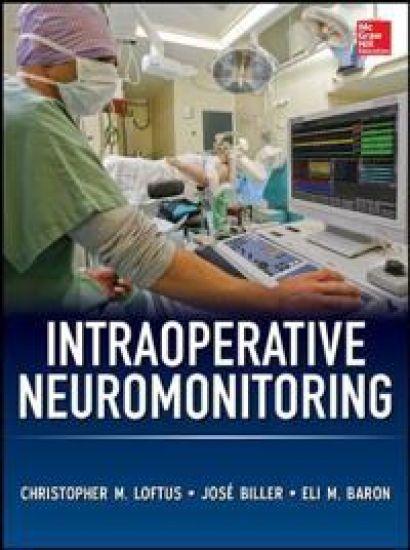
Intraoperative Neuromonitoring

Intraoperative Neuromonitoring

Christopher Loftus; Jose Biller; Eli Baron

McGraw-Hill Medical
2013
sidottu
Publisher's Note: Products purchased from Third Party sellers are not guaranteed by the publisher for quality, authenticity, or access to any online entitlements included with the product. THE ESSENTIAL GUIDE TO MONITORING NEURAL FUNCTION DURING INTRICATE NEUROSURGERY PROCEDURES Intraoperative Neuromonitoring takes you step by step through the proper protocols for measuring and mapping neural function, emphasizing the correct application of intraoperative recordings for improved surgical outcomes. You will learn how to utilize the latest neuromonitoring tools, and familiarize yourself with the full range of topics pertaining to intraoperative monitoring in neurosurgery. The authors also present both common and lesser-known techniques for neural assessment, resulting in a stand-alone reference that helps you master any type of neuromonitoring for virtually every kind of procedure. FEATURES: The most complete intraoperative neuromonitoring resource available, addressing the most current topics, tools, and techniques to enhance your skills Valuable, learn-as-you-go guidance on measuring and mapping neural structures focuses on the proper evaluation of pertinent patient data and provides the surgeon with accurate updates through the duration of the case Logical five-part organization clearly explains must-know topics such as neuromonitoring during cerebrovascular surgery, mapping cerebral and brainstem function, neuromonitoring in spinal surgery, peripheral nerve procedures, and more Numerous illustrations, figures, surgical images, and angiograms Full chapter-ending references provide opportunities for further study and research
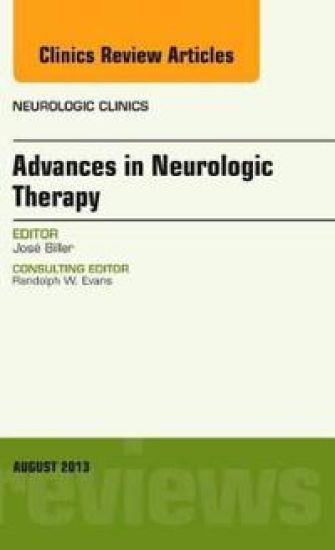
Advances in Neurologic Therapy, An issue of Neurologic Clinics

Advances in Neurologic Therapy, An issue of Neurologic Clinics

Jose Biller

Elsevier - Health Sciences Division
2013
sidottu
This issue of Neurologic Clinics features a review of the latest therapeutic developments in common and less common neurologic disorders and includes the following articles: Latest Data on Platelet Antiaggregants in Stroke Prevention; New Anticoagulants for Atrial Fibrillation Stroke Prevention; Unanswered Questions in Thrombolytic Therapy for Acute Ischemic Stroke; New Strategies for Endovascular Recanalization of Acute Ischemic Stroke; New Developments in the Treatment of Intracerebral Hemorrhage. What is in the horizon?; New Therapies for Unruptured Intracranial Aneurysms; New and Emergency Therapies for Arteriovenous Malformations; Advances and Controversies in the Management of Cerebral Venous Thrombosis in Adults; Epilepsy: Neurostimulation and New Drug Targets; Surgical Treatment of Parkinson's Disease; Deep Brain Stimulation (DBS) in Non-Parkinsonian Movement Disorders and Emerging Technologies, Targets and Therapeutic Promises in DBS; Multiple Sclerosis. New and Emerging Therapies; Advances in the Medical Management of Myasthenia Gravis; Update in the Treatment of Primary Brain Tumors; and Immunotherapy for Alzheimer's Disease.
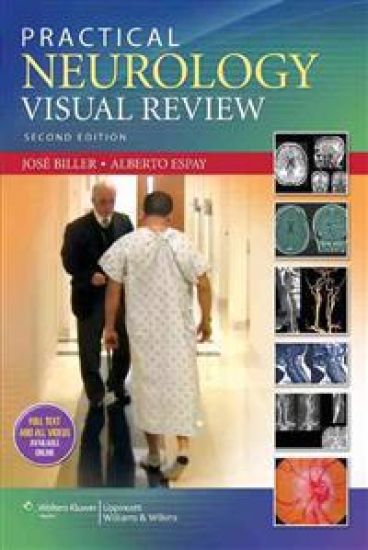
Practical Neurology Visual Review

Practical Neurology Visual Review

José Biller; Alberto Espay

Lippincott Williams and Wilkins
2013
pokkari
Now in a fully revised and updated Second Edition, Practical Neurology Visual Review previously known as (Practical Neurology DVD Review) continues to be a powerful educational tool for mastering the clinical practice of neurologic diagnosis. The book opens new venues for teaching and learning the essentials of neurology by utilizing an interactive patient-based audiovisual electronic format. Discover today’s most practical guide to neurologic diagnosis.• Case-based format includes 131 real-world scenarios to sharpen readers’ critical thinking and diagnostic skills.• Over 370 multiple-choice questions reinforce essential knowledge.• Over 130 online video clips address common and unusual neurologic presentations.• Principles of bedside neurology include description and localization of findings, differential diagnosis, evaluation, management, and counseling. NEW to the Second Edition…• Full-color design facilitates visual learning.• 50 new cases from two institutions provide new diagnostic challenges.• Additional diagnostic images highlight critical pathologic features.• QR codes located in the print book allow easy access to videos via any smartphone or tablet QR reader• Companion website features digital interactive case presentations• Presentations by expert instructors ensure clear and accurate descriptions of neurologic conditions, their signs, and symptoms.
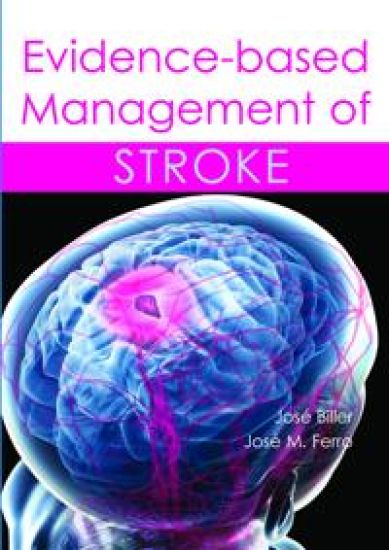
Evidence-based Management of Stroke

Evidence-based Management of Stroke

Jose Biller; Jose M. Ferro

TFM Publishing Ltd
2011
sidottu
Over five million people die from stroke each year. Stroke is also the leading cause of adult disability, affecting over 20 million people world-wide, with two-thirds of stroke victims left permanently disabled. We now know that speed of intervention is critical and patient outcomes are determined by a very narrow therapeutic window, during which physicians need to be able to make their choice of treatment rapidly, based on the best evidence available. The purpose of this book is to review that evidence, for both medical and surgical therapies as well as preventative strategies, drawing on the expertise of leading international authorities to distinguish the issues for which there is a consensus on best practice from those for which the evidence remains inconclusive. For example, for patients with acute ischemic stroke the first choice is intravenous thrombolytic therapy, but does a treatment window of 0-3 hours deliver outcomes significantly better than one of 3-4.5 hours? Arterial hypertension is the single most important modifiable risk factor for ischemic stroke, but what are the effects of blood pressure reduction among acute stroke patients? How effective is blood pressure lowering in primary intracerebral hemorrhage? What are the arguments in favour of continuation versus temporary discontinuation of anti-hypertensive therapy immediately after acute ischemic stroke? Endovascular procedures (carotid angioplasty/stenting) are increasingly important but what do the data tell us about their safety? Or durability? How do they compare with carotid endarterectomy? The management of unruptured intracranial aneurysms is rife with controversies; clip, coil, wait and watch? The authors examine the evidence for and against. Other sections examine the impact of various risk factors, and special populations. A section on stroke after cardiovascular surgeries reviews the incidence and management of stroke following a whole range of procedures including coronary artery bypass grafting, valve replacement surgery, congenital heart disease treatment, aortic surgery, cardiac transplantation and post-carotid endarterectomy. Another examines special risks during pregnancy. Lastly, the book reviews our understanding of childhood stroke -- perinatal, infants and older children, adolescents and young adults - and presents current best practice recommendations for this most challenging group of patients.
Advances in Neurologic Therapy, An Issue of Neurologic Clinics
This issue of Neurologic Clinics offers a rounded view of the latest therapeutic advances for the most common neurologic disorders and contains the following articles: Management Controversy in Chronic Daily Headaches (Rahmadan); Neurostimulation in Headache Patients (Dafer); The Selection of Anti-epileptic Drugs for the Treatment of Epilepsy in Children and Adults (Asconape); Management of Status Epilepticus in Adults (Rabinstein); Management of Blood Pressure in Acute and Hemorrhagic Stroke (Schneck); Modern Management of Brainstem Cavernous Malformations (Duckworth); Endovascular Treatment of Intracranial Dural Arteriovenous Fistulas (Narayanan); Management of Motor Complications of Parkinson's Disease (Espay); Therapeutic Challenges in Dystonias (Kartha); Management of Voltage Gated Potassium Channel Antibody Disorders (Merchut); Management of Critical Care Neuromyopathies (Chawla, Gruener); Approaches to Peripheral Nerve Disorders (Toussaint, Anderson); Management of Idiopathic Intracranial Hypertension (Digre, Spencer); Management of Low Grade Gliomas (Prabhu); Management of Acute, Recurrent, and Chronic Meningitdes in Adults (Venna); and Treatment Options for Adult Parasomnias (Attarian).