Kirjojen hintavertailu – 12 859 819 kirjaa ja 27 kauppaa
Kirjailija
José Saramago
Kirjat ja teokset yhdessä paikassa: 111 kirjaa, julkaisuja vuosilta 1986–2026, suosituimpiin kuuluu Baltasar & Blimunda. Vertaile teosten hintoja ja tarkista saatavuus suomalaisista kirjakaupoista.
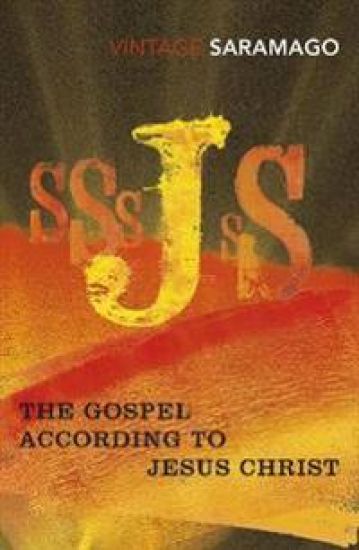
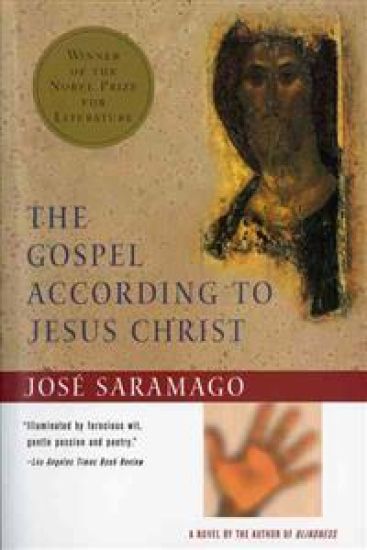
Saramago's Jesus is the son not of God but of Joseph. In the wilderness he tussles not with the Devil â?? a kindly and necessary evil â?? but with God, a fallible, power-hungry autocrat. And he must die not for the sins of the fathers but for the sins of the Father.
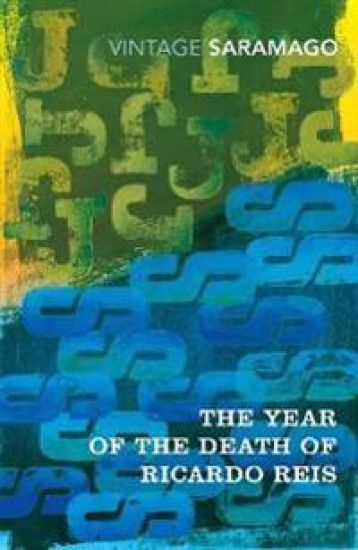
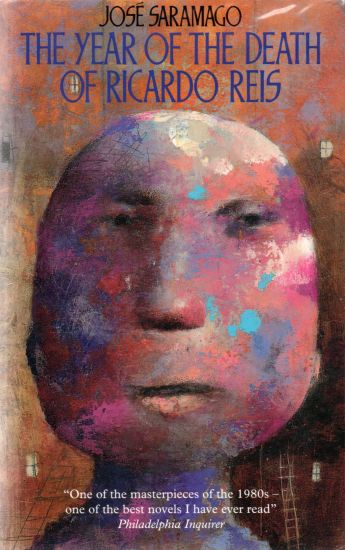
The world's threats are universal like the sun but Ricardo Reis takes shelter under his own shadow. Back in Lisbon after sixteen years practising medicine in Brazil, Ricardo Reis wanders the rain-sodden streets. He longs for the unattainably aristocratic Marcenda, but it is Lydia, the hotel chamber maid who makes and shares his bed. His old friend, the poet Fernando Pessoa, returns to see him, still wearing the suit he was buried in six weeks earlier. It is 1936, the clouds of Fascism are gathering ominously above them, so they talk; a wonderful, rambling discourse on art, truth, poetry, philosophy, destiny and love.
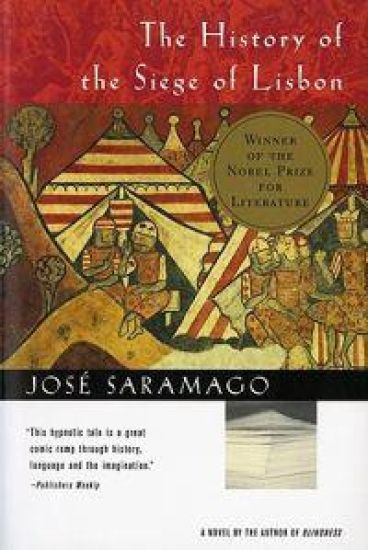
In this "ingenious" novel (New York Times) by "one of Europe's most original and remarkable writers" (Los Angeles Times), a proofreader's deliberate slip opens the door to romance-and confounds the facts of Portugal's past. Translated by Giovanni Pontiero.
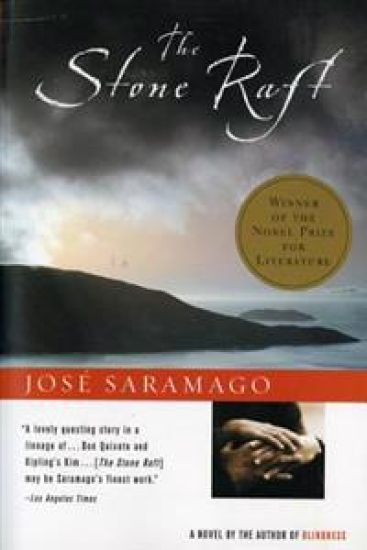
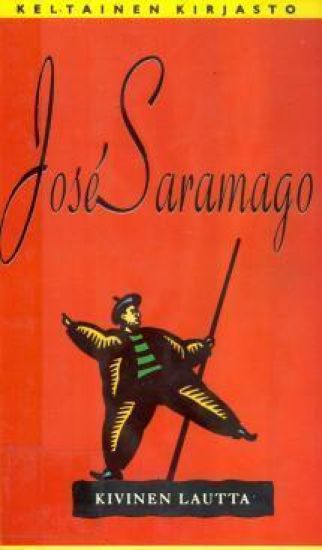
When the Iberian Peninsula breaks free of Europe and begins to drift across the North Atlantic, five people are drawn together on the newly formed island-first by surreal events and then by love. "A splendidly imagined epic voyage...a fabulous fable" (Kirkus Reviews). Translated by Giovanni Pontiero.
A wry, fictional account of the life of Christ by the Winner of the Nobel Prize for Literature, "Illuminated by ferocious wit, gentle passion, and poetry" (Los Angeles Times Book Review). For Jos Saramago, the life of Jesus Christ and the story of his Passion were things of this earth: a child crying, a gust of wind, the caress of a woman half asleep, the bleat of a goat or the bark of a dog, a prayer uttered in the grayish morning light. The Holy Family reflects the real complexities of any family, but this is realism filled with vision, dream, and omen. Saramago's deft psychological portrait of a savior who is at once the Son of God and a young man of this earth is an expert interweaving of poetry and irony, spirituality and irreverence. The result is nothing less than a brilliant skeptic's wry inquest into the meaning of God and of human existence.
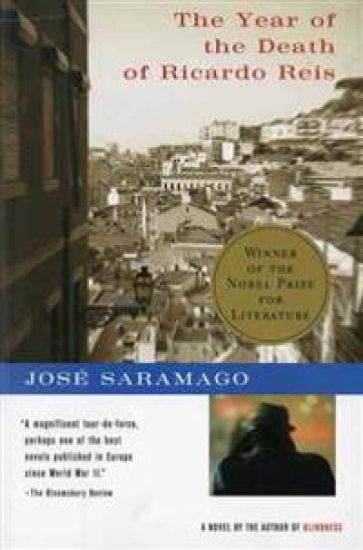
From Nobel Prize-winner Jos Saramago, "a capacious, funny, threatening novel" of wandering souls and political upheaval in 1930s Portugal (New York Times Book Review). The year is 1936, and the dictator Ant nio de Oliveira Salazar is establishing himself in Portugal, edging his country toward civil war. At the same time, Dr. Ricardo Reis has returned home to Lisbon after a long sojourn in Brazil. What's brought him back is word that the great poet, Fernando Pessoa, has died. With no intention of resuming his practice, Reis now dabbles in his own poetry, wastes his days strolling the boulevards and back streets, engages in affairs with two different women -- and is followed through each excursion by Pessoa's ghost. As a fascist revolution roils, and as Reis's path intersects with three relative strangers -- two living, one dead -- Reis may finally discover the reality of his own chimerical existence. Called "a magnificent tour-de-force, perhaps one of the best novels published in Europe since World War II" (Bloomsbury Review) and "altogether remarkable" (Wall Street Journal), The Year of the Death of Ricardo Reis is a PEN Award winner.
Verraton lukuelämys, portugalilainen menestysromaani, jossa herkän kaunista rakkaustarinaa ja runollista kuvitelmaa sielujen paosta vapauteen ympäröi säälimättömän väkevä ja riemastuttavan rehevä kuvaus 1700-luvun Portugalista, ehdottoman yksinvallan ja uskonnollisen fanatismin kukoistuksesta ja mielettömistä ilmentymistä.
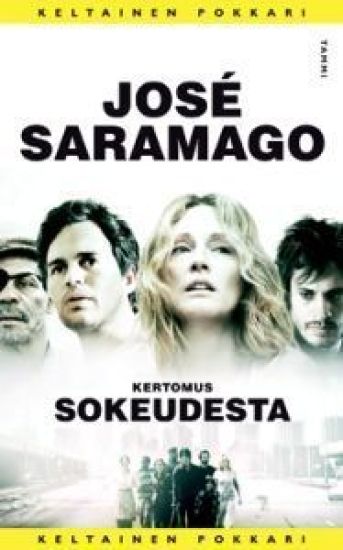
Kaupungissa riehuu outo epidemia. Ihmiset alkavat nähdä pelkkää valkoista. Jotta sairauden leviäminen voitaisiin estää, sokeille perustetaan reservaatteja. Näkevien pelko sokeutumisesta ajaa inhimillisyyden ohi. Reservaateissa syntyy eloonjäämistaistelu. Tilannetta seurataan silmälääkärin vaimon kautta, joka on näkevänä seurannut sokeutunutta miestään eristykseen. Pariskunnan ympärille muodostuu pieni ystävien piiri, joka yrittää säilytttää ihmisyytensä kaaoksen keskellä. Vaimo on ainoa joka näkee reservaatin alennustilan. Ennen pitkää hän alkaa toivoa olevansa itsekin sokea, mutta halu auttaa muita pitää hänet vahvana. Lukija on samassa asemassa kuin ainoa näkevä, todistamassa tapahtumia joihin ei voi vaikuttaa. Pessimistisestä pohjasävystään huolimatta tarina ei lietso toivottomuutta: ystävyys, solidaarisuus ja epäitsekkyys synnyttävät pieniä onnenhetkiä.