
Kirjailija
Joseph Conrad
Kirjat ja teokset yhdessä paikassa: 2 285 kirjaa, julkaisuja vuosilta 1895–2026, suosituimpiin kuuluu Lord Jim. Vertaile teosten hintoja ja tarkista saatavuus suomalaisista kirjakaupoista.
Nimi esiintyy myös muodoissa: Joseph. Conrad
2 285 kirjaa
Kirjojen julkaisuvuodet: 1895–2026.
Heart of Darkness by Joseph Conrad, Fiction, Classics, Literary
Joseph Conrad
Wildside Press
2003
sidottu
The Nigger of the 'Narcissus' by Joseph Conrad, Fiction, Classics
Joseph Conrad
Wildside Press
2003
sidottu

Joseph Conradin (1857–1924) suurromaani sijoittuu kuvitteelliseen eteläamerikkalaiseen Costaguanan valtioon. Intiaanien, kreolien, eurooppalaisten siirtolaisten ja siirtomaaherrojen asuttamaa Sulacon satamakaupunkia hallitsee Charles Gouldin vauras hopeakaivos. Kun vallankumouksen laineet lähestyvät Sulacoa, Gould haluaa toimittaa turvaan laivalastillisen hopeaa. Laivuriksi valitaan genovalainen merimies Nostromo. Ihailtu, kunnioitettu, miltei kansallissankarina pidetty Nostromo joutuu tapahtumien ja oman ahneutensa armoille. Hänestä tulee suunnattoman aarteen isäntä ja orja. "Tällaisia romaaneja ei ole kirjoitettu enää pitkään aikaan. Nostromo onkin muistutus ihmiskunnan kadonneesta suuruuden ajasta." –Hannu Waarala, Keskisuomalainen ”Conradin kerronnalle on tyypillistä tarkka ja eloisa kuvaus, josta Nostromon ensimmäisen luvut ovat hieno esimerkki. -- Mestarillinen romaani.” – Pentti Ohranen, Pohjalainen
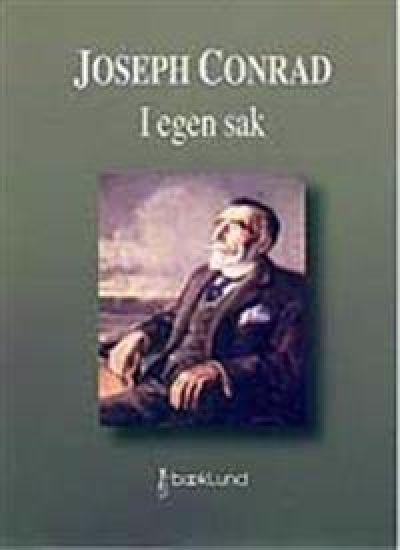
De självbiografiska texterna av Joseph Conrad är synnerligen sparsamma till antalet. Om sin person och sitt liv skrev författaren mycket lite. De romaner och noveller han utgav rymmer å andra sidan åtskillig information om Conrad, fast i indirekt form. Att läsa hans skönlitterära verk är också att färdas i den verklighet som han upplevde under tjugo år av sitt liv. I denna bok har samlats de två verk av Conrad ? Havets spegel & Konfidentiellt ? som återger hans egna upplevelser från återbesök i barndomens Ukraina och från resor på världshaven.
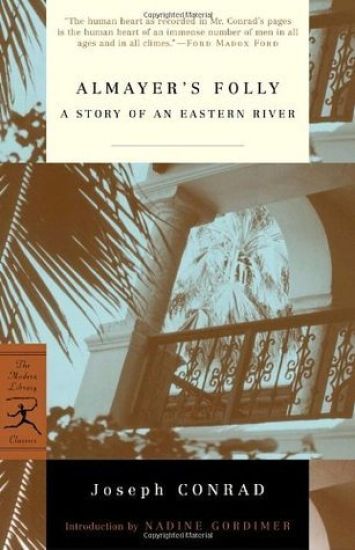
Almayer's Folly, Joseph Conrad's first novel, is a tale of personal tragedy as well as a broader meditation on the evils of colonialism. Set in the lush jungle of Borneo in the late 1800s, it tells of the Dutch merchant Kaspar Almayer, whose dreams of riches for his beloved daughter, Nina, collapse under the weight of his own greed and prejudice. Nadine Gordimer writes in her Introduction, "Conrad's writing is lifelong questioning . . . What was 'Almayer's Folly'? The pretentious house never lived in? His obsession with gold? His obsessive love for his daughter, whose progenitors, the Malay race, he despised? All three?" Conrad established in Almayer's Folly the themes of betrayal, isolation, and colonialism that he would explore throughout the rest of his life and work.
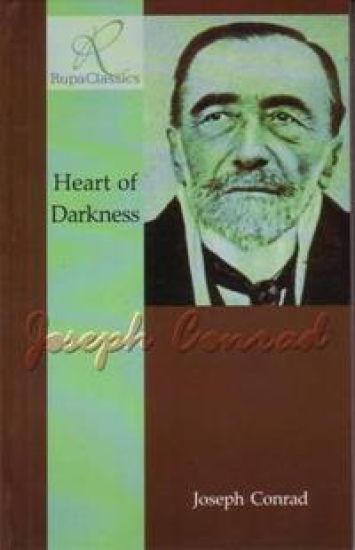
The day I met him, however, something was troubling him greatly. He began to speak as soon as he saw me. Even though I had arrived at the camp after walking 35 kilometres that day, he did not even invite me to sit down. 'The situation,' he told me, 'is very serious. The up-river stations must be relieved. We cannot wait. We don't even know who is alive and who is dead up there.'
Dark allegory describes the narrator's journey up the Congo River and his meeting with, and fascination by, Mr. Kurtz, a mysterious personage who dominates the unruly inhabitants of the region. Masterly blend of adventure, character development, psychological penetration. Considered by many Conrad's finest, most enigmatic story.
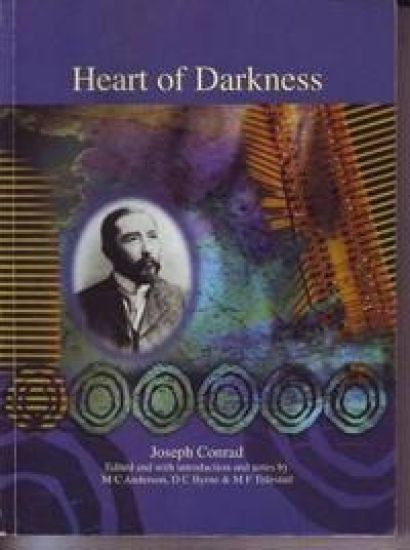
This new annotated and accessible edition of Conrad's classic text has been designed to suit the needs of South African students and readers. Cultural background, as well as semantic and literary information has been provided.
Erleben Sie Woche für Woche ein neues Motiv und verschicken Sie es als persönliche Grußbotschaft. Jedes Kalenderblatt kann mühelos an der Perforation herausgetrennt werden. Genießen Sie Bilder von poetischen Landschaften und lassen Sie sich von klugen Lebensweisheiten aus Literatur und Philosophie inspirieren.
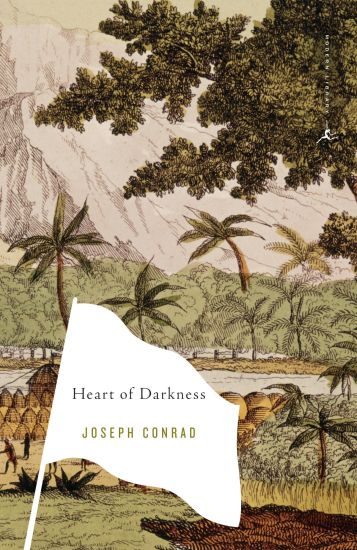
With an Introduction by Caryl PhillipsCommentary by H. L. Mencken, E. M. Forster, Virginia Woolf, Ernest Hemingway, Bertrand Russell, Lionel Trilling, Chiua Achebe, and Philip Gourevitch"Heart of Darkness," which appeared at the very beginning of our century, was a Cassandra cry announcing the end of Victorian Europe, on the verge of transforming itself into the Europe of violence," wrote the critic Czeslaw Milosz. Originally published in 1902, Heart of Darkness remains one of this century's most enduring--and harrowing--works of fiction. Written several years after Conrad's grueling sojourn in the Belgian Congo, the novel tells the story of Marlow, a seaman who undertakes his own journey into the African jungle to find the tormented white trader Kurtz. Rich in irony and spellbinding prose, Heart of Darkness is a complex meditation on colonialism, evil, and the thin line between civilization and barbarity. This edition contains selections from Conrad's Congo Diary of 1890--the first notes, in effect, for the novel which was composed at the end of that decade. Virginia Woolf wrote of Conrad, "His books are full of moments of vision. They light up a whole character in a flash. . . . He could not write badly, one feels, to save his life."
3et in the Malay Archipelago, where Conrad spent much of his youth as an officer in the British Merchant Navy, VICTORY is a sombre yet brilliant study of good and evil in Conrad's mature manner. The characteristic theme of a man reaching out from his apparently total solitude in sympathy for another human being is explored through the story of Axel Heyst's attempt to rescue a girl from the machinations of a brutal gang. Conrad's extraordinary blend of moral profundity, pathos and bitter irony is conjured up in prose which is at once atmospheric and inimitable. The book is published to coincided with the film staring Rufus Sewell Sam Neill, William Defoe and Irene Jacob
Mörkrets hjärta, Joseph Conrads mest berömda verk, skildrar den belgiska exploateringen av Kongo: jakten på elfenben, intriger och korruption, avsigkomna existenser och hänsynslösa exploatörer. Mörkrets hjärta är också berättelsen om elfenbensagenten Kurtz, som tror sig vara en man med höga ideal, men som oundvikligt dras till det grymma barbariet omkring honom och som ställer sig i spetsen för formliga plundringståg längs Kongofloden och den innersta djungeln. Knappast någonstans i den västerländska litteraturen skildras den svarta världsdelen så suggestivt som i denna berättelse; den klibbiga luften dallrar av hetta, infödingstrummorna hörs oavbrutet och ur den förtätade djungeln strömmar ett svart hat från alla håll emot de vita inkräktarna och deras rovdrift.
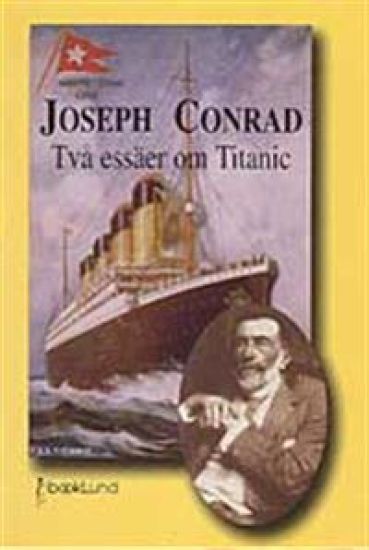
I dessa två essäer om Titanic är det en något annorlunda Joseph Conrad än roman- och novellförfattaren som läsaren möter. Analysen är visserligen lika saklig, skarp och välformulerad som annars, men här framträder också en Conrad som öppet visar sitt humör och sin ilska. I sin kritik av konstruktörer, av ledningen för ägarföretaget White Star Line och kompetensen hos vissa av de i sjöförhören inblandade, upprörs Conrad av vad han uppfattar som en hop krämare och dilettanter som prioriterar kapitalintressena framför passagerarnas säkerhet. Att Titanic gick till botten är, i Conrads ögon, en logisk konsekvens av en från början felplanerad projektering.
En häftig storm utanför Cornwall, vid Englands sydvästkust, leder ett främmande fartyg i skeppsbrott. Yanjo, en ung man från Karpaterna, driver i land med de höga vågorna och lyckas överleva. Bybefolkningen bemöter honom med misstro, antipati och misstänksamhet, endast den tystlåtna och lite enfaldiga tjänsteflickan Amy Foster vågar närma sig honom. Amy Foster är en berättelse om främlingsfientlighet, ensamhet och utanförskap som inte ens kärleken förmår att besegra. Verket utkom första gången 1901 och är en parallell till Conrads egen levnadsbakgrund såsom emigrant från polsktalande Ukraina, boende i England. Ännu ett sekel efter dess tillkomst är berättelsens tema lika aktuell som någonsin.
Introduction and Notes by Gene M. Moore, Universiteit van Amsterdam. Generally regarded as the pre-eminent work of Conrad's shorter fiction, Heart of Darkness is a chilling tale of horror which, as the author intended, is capable of many interpretations. Set in the Congo during the period of rapid colonial expansion in the 19th century, the story deals with the highly disturbing effects of economic, social and political exploitation of European and African societies and the cataclysmic behaviour this induced in some individuals. The other two stories in this book – Youth and The End of the Tether – concern the sea and those who sail upon it, a genre in which Conrad reigns supreme.
Set in eastern Borneo during the 1880s, Almayer's Folley recreates the conflicts of imperial Europe with the colonised East Indies through Joseph Conrad's story of Kaspar Almayer's personal tragedy: his loss of both his daughter of mixed race to her native lover and his dream of finding enough gold to return to Amsterdam in triumph. The introduction gives the history of the composition over almost five years as Conrad went to the Congo, Australia, the Ukraine, Belgium, Switzerland, and France as a seaman and on holiday. The novel has suffered seven layers of unauthorised intervention by typists and publishers, as set out in the essay on the text and the apparatus. The notes explain Malay terms and historical references, and there are two regional maps. This is the text of Almayer's Folley, established through modern textual scholarship, as Conrad would have like it to have appeared in 1895.