Kirjojen hintavertailu – 12 859 829 kirjaa ja 27 kauppaa

Kirjailija

Joseph Lookofsky

Kirjat ja teokset yhdessä paikassa: 7 kirjaa, julkaisuja vuosilta 2009–2024, suosituimpiin kuuluu CISG Part II Conference, Stockholm, 4-5 September 2008. Vertaile teosten hintoja ja tarkista saatavuus suomalaisista kirjakaupoista.

7 kirjaa

Kirjojen julkaisuvuodet: 2009–2024.

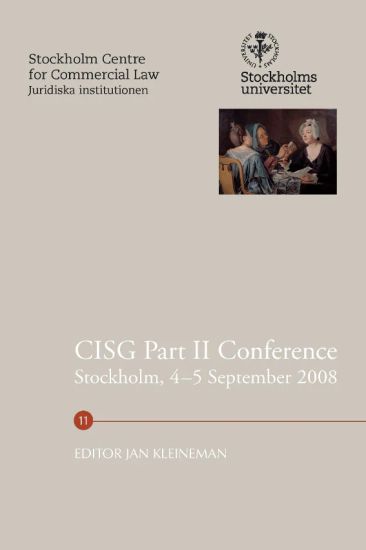
CISG Part II Conference, Stockholm, 4-5 September 2008

CISG Part II Conference, Stockholm, 4-5 September 2008

Jan Kleineman; Michael Bridge; Torsten Iversen; Tom Madell; Joseph Lookofsky; Ulrich Magnus; Jan Ramberg; Carolina Saf; Ingeborg Schwenzer; Pascal Hachem; Leif Sevón; Lena Sisula-Tulokas

Stockholm Centre for Commercial Law
2009
nidottu
The CISG Part II Conference was held in Stockholm on 4–5 September 2008. The Conference was held in honour and remembrance of the late Supreme Court Justice Hans-Gunnar Solerud, the first chairman of the Stockholm Centre for Commercial Law. The Conference was organised by the Stockholm Centre for Commercial Law in co-operation with the Swedish Ministry of Justice. CONTENTS: - The CISG from a Common Law Perspective Michael Bridge - Scandinavian Contract Law and its Implication on CISG – the Danish Approach Torsten Iversen - Changes proposed in the Nordic stance on the CISG Jan Kleineman and Tom Madell - CISG Case Law and the Scandinavian Part II Reservations - Some Reflections on the CISG Part II Conference at the University of Stockholm, 4–5 September 2008 Joseph Lookofsky - The Scandinavian Reservation under Art. 92 CISG Ulrich Magnus - The Effect of CISG on Swedish Contract Law – now and in the Future Jan Ramberg - CISG – a Uniform Law within the Sphere of Conflict of Laws Carolina Saf - The CISG – A Story of Worldwide Success Ingeborg Schwenzer and Pascal Hachem - Scandinavian Contract Law and its Implication on CISG – The Finnish Approach Leif Sevón - Nordic hesitancy regarding Part II of the CISG Lena Sisula-Tulokas

KØB

KØB

Joseph Lookofsky

Jurist- og økonom-
2024
sidottu
Bogen Køb handler om dansk indenlandsk købsret, det vil sige køb af løsøre i henhold til Købeloven af 1906 med senere ændringer, KBL. De første ni kapitler omfatter KBL-reglerne for civilkøb og køb mellem handlende, hvorimod forbrugerkøbets særregler drøftes i et kapitel for sig. I denne 6. udgave har forfatterne taget højde for den på retsområdet vigtigste lovgivning, retspraksis og litteratur, der er kommet siden udgivelse af bogens 5. udgave (2020). Kapitlet om forbrugerkøbets særregler er opdateret med de EU-forbrugerretlige direktiver, som siden januar 2022 har været en del af gældende (købs)ret. Det er fortsat tanken at give en introduktion til de køberetlige regler, der samtidig fungerer som en introduktion til nogle mere almindelige obligationsretlige regler – set i lyset af internationale påvirkninger. Joseph Lookofsky er dr.jur. og professor emeritus i formueret ved Københavns Universitet. Vibe Ulfbeck er dr.jur. og professor i formueret ved Københavns Universitet, hvor hun er leder af CEPRI (Centre for Private Governance).
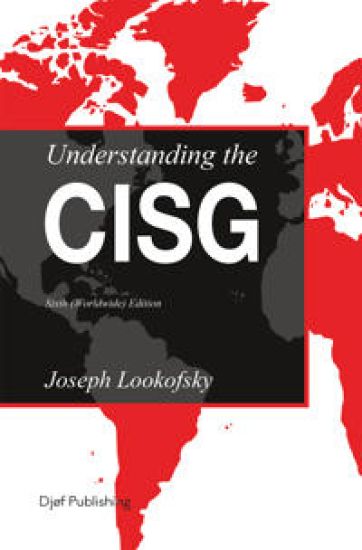
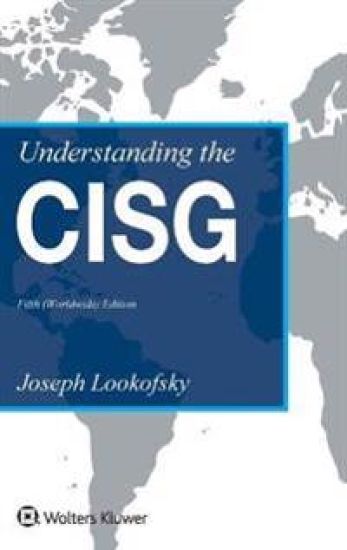
Understanding the CISG

Understanding the CISG

Joseph Lookofsky

Jurist- og økonom-
2022
sidottu
The 1980 United Nations Convention on Contracts for the International Sale of Goods (CISG) regulates the rights of buyers and sellers in international sales. The Convention is the first sales law treaty to win acceptance on a worldwide scale, and the impressive list of nearly one hundred Contracting States accounts for more than three-fourths of all world trade. The importance of the CISG in the international arena is underlined by thousands of reported decisions where the CISG has been held to apply, thus evidencing the conduct of countless international traders who – by default or by express choice – regularly subject their sales contracts to the Convention regime. The CISG treaty demands an international interpretation, and this extensively updated Sixth Edition draws upon the full range of primary as well as secondary sources of CISG law, including clear and concise reports of the latest decisions, arbitral awards and scholarly opinion. Numerous concrete examples are provided throughout. With this book as their guide, lawyers and students who need to understand international sales law will confidently navigate key topic areas such as these: • determining when the CISG applies; • freedom of contract, opting out; • interpretation of CISG treaty and CISG contracts; • formation, validity, defenses to enforcement; • obligations of the parties; • remedies for breach; • liability exemptions, hardship; and • disclaimers, agreed remedies.
Understanding the CISG

Understanding the CISG

Joseph Lookofsky

Kluwer Law International
2022
sidottu

Halvin toimitettuna 183,00 €

The 1980 United Nations Convention on Contracts for the International Sale of Goods (CISG) regulates the rights of buyers and sellers in international sales. The Convention is the first sales law treaty to win acceptance on a worldwide scale, and the impressive list of nearly one hundred Contracting States accounts for more than three-fourths of all world trade. The importance of the CISG in the international arena is underlined by thousands of reported decisions where the CISG has been held to apply, thus evidencing the conduct of countless international traders who - by default or by express choice - regularly subject their sales contracts to the Convention regime. The CISG treaty demands an international interpretation, and this extensively updated Sixth Edition draws upon the full range of primary as well as secondary sources of CISG law, including clear and concise reports of the latest decisions, arbitral awards and scholarly opinion. Numerous concrete examples are provided throughout. With this book as their guide, lawyers and students who need to understand international sales law will confidently navigate key topic areas such as these: determining when the CISG applies; freedom of contract, opting out; interpretation of CISG treaty and CISG contracts; formation, validity, defenses to enforcement; obligations of the parties; remedies for breach; liability exemptions, hardship; and disclaimers, agreed remedies.