Kirjojen hintavertailu – 12 903 725 kirjaa ja 27 kauppaa

Kirjailija

Joseph M. Murphy

Kirjat ja teokset yhdessä paikassa: 4 kirjaa, julkaisuja vuosilta 1995–2015, suosituimpiin kuuluu Botánicas. Vertaile teosten hintoja ja tarkista saatavuus suomalaisista kirjakaupoista.

4 kirjaa

Kirjojen julkaisuvuodet: 1995–2015.

Botánicas

Botánicas

Joseph M. Murphy

University Press of Mississippi
2015
sidottu
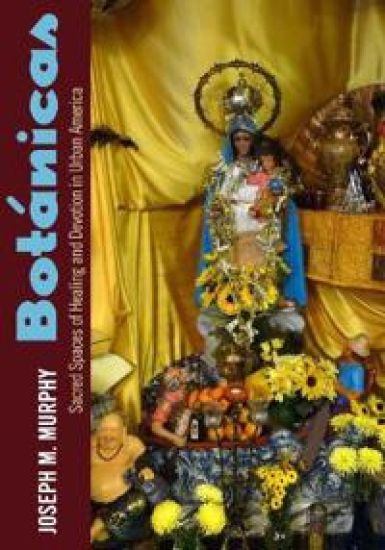
Botánicas is an exploration in text and photographs of spiritual shops found in Latino neighborhoods throughout the United States. Readers discover these marvelous spaces and their alternative spiritualities that help patrons cope with the grind and challenges of city life. Botánicas provide access to an array of invisible powers and sell the ingredients to construct symbolic solutions to their patrons' problems. The stores are bright and baroque, and the powers they invoke come from religious traditions in Africa, Europe, Asia, and the native Americas. In Botánicas, Joseph M. Murphy offers a cultural history of the devotions on display and a reflection on the efficacy of their powers to heal. Readers will come to see that the goods and devotions of botánicas give their patrons--mostly Latino, often immigrants--pathways for empowerment and transformation. The name botánicas comes from the ""botanicals"" for sale, herbs and plants with healing powers. The pharmacopeia of botánicas can be vast, and owners may know hundreds of remedies for treating problems of health, wealth, and love. Botánicas vend herbs for upset stomach, herbs for finding a job, and herbs for wooing back a wayward spouse. Supplementing these medicinal and magical plants, botánicas sell candles, holy statues, and tools for devotion to an array of spiritual powers--Catholic saints, African gods, indigenous spirits, and Asian divinities. Each spirit has its own ritual of petition, and botánica owners can discern the proper offerings and prayers to help the supplicant. Murphy explains the religions of the botánica with subtlety and sensitivity. He gives readers a deep sense of the contexts of the stores and a sophisticated analysis of the religious traditions that suffuse them. Visually fascinating, culturally rich, and religiously profound, Botánicas is a window into a world of beauty and power.

Creole Religions of the Caribbean

Creole Religions of the Caribbean

Lizabeth Paravisini-Gebert; Margarite Fernández Olmos; Joseph M. Murphy

New York University Press
2011
sidottu
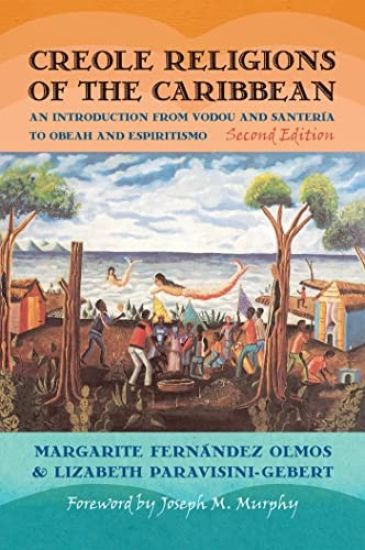
A comprehensive introduction to the syncretic religions developed in the Caribbean region Creolization—the coming together of diverse beliefs and practices to form new beliefs and practices—is one of the most significant phenomena in Caribbean religious history. Brought together in the crucible of the sugar plantation, Caribbean peoples drew on the variants of Christianity brought by European colonizers, as well as on African religious and healing traditions and the remnants of Amerindian practices, to fashion new systems of belief. Creole Religions of the Caribbean offers a comprehensive introduction to the syncretic religions that have developed in the region. From Vodou, Santería, Regla de Palo, the Abakuá Secret Society, and Obeah to Quimbois and Espiritismo, the volume traces the historical–cultural origins of the major Creole religions, as well as the newer traditions such as Pocomania and Rastafarianism. This second edition updates the scholarship on the religions themselves and also expands the regional considerations of the Diaspora to the U. S. Latino community who are influenced by Creole spiritual practices. Fernández Olmos and Paravisini–Gebert also take into account the increased significance of material culture—art, music, literature—and healing practices influenced by Creole religions.
Creole Religions of the Caribbean

Creole Religions of the Caribbean

Lizabeth Paravisini-Gebert; Margarite Fernández Olmos; Joseph M. Murphy

New York University Press
2011
pokkari
A comprehensive introduction to the syncretic religions developed in the Caribbean region Creolization—the coming together of diverse beliefs and practices to form new beliefs and practices—is one of the most significant phenomena in Caribbean religious history. Brought together in the crucible of the sugar plantation, Caribbean peoples drew on the variants of Christianity brought by European colonizers, as well as on African religious and healing traditions and the remnants of Amerindian practices, to fashion new systems of belief. Creole Religions of the Caribbean offers a comprehensive introduction to the syncretic religions that have developed in the region. From Vodou, Santería, Regla de Palo, the Abakuá Secret Society, and Obeah to Quimbois and Espiritismo, the volume traces the historical–cultural origins of the major Creole religions, as well as the newer traditions such as Pocomania and Rastafarianism. This second edition updates the scholarship on the religions themselves and also expands the regional considerations of the Diaspora to the U. S. Latino community who are influenced by Creole spiritual practices. Fernández Olmos and Paravisini–Gebert also take into account the increased significance of material culture—art, music, literature—and healing practices influenced by Creole religions.