Kirjailija
Joseph Roth
Kirjat ja teokset yhdessä paikassa: 397 kirjaa, julkaisuja vuosilta 1983–2027, suosituimpiin kuuluu Lviv : en resa till Europa. Vertaile teosten hintoja ja tarkista saatavuus suomalaisista kirjakaupoista.
397 kirjaa
Kirjojen julkaisuvuodet: 1983–2027.
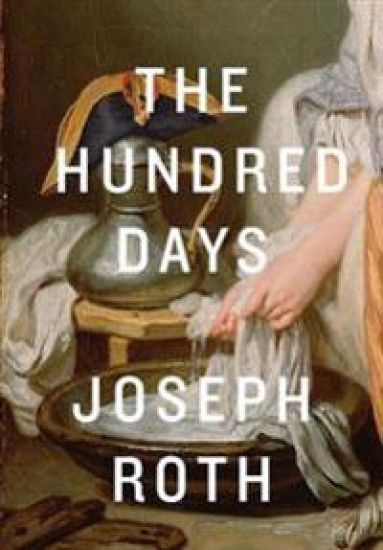
The Hundred Days
Joseph Roth; Richard (TRN) Panchyk
New Directions Publishing Corporation
2014
sidottu
Set during the infamous period between Napoleon s escape from Elba and his second defeat and recapture at Waterloo, The Hundred Days describes the great Emperor s last shot at glory and his final transformation from a godlike ruler into an ordinary, humble man. Roth frames the novel through the perspectives of Napoleon himself as well as his devoted Corsican laundress Angelina, to show the demise of their seemingly intertwined fates. The Hundred Days is enriched with Roth s signature lyrical elegance and haunting atmospheric details."

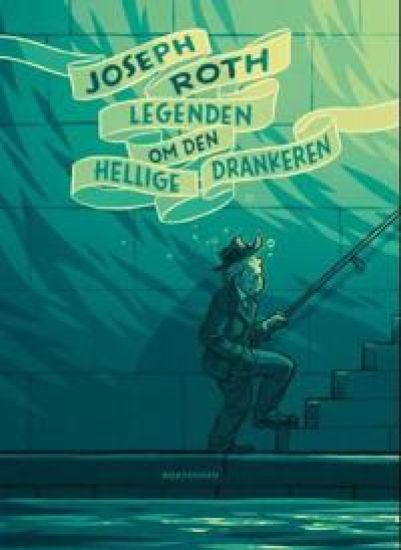
80 år etter at Radetzkymarsjen forelå på norsk, utgis nå for første gang tre av Joseph Roths mest avholdte langnoveller i oversettelse ved Stein Dahl Mathisen. Drankeren Andreas sover under Seinen-broen i Paris, med gamle aviser som dyne. Møtet med en ukjent som låner ham 200 franc, setter i gang en kjede av små undere: et varmt måltid, en grundig barbering, et møte med en forhenværende kjæreste og en gammel venn. Joseph Roth betegnet selv denne uortodokse, melankolske og forsonlige legenden som sitt testamente. Stasjonsmester Fallmerayer, en fortelling om tittelheltens lidenskapelige kjærlighet til en russisk grevinne, som ved en tilfeldig togulykke kommer inn i hans beskjedne liv, er en utsøkt kjærlighetshistorie.
Hiob. Roman eines einfachen Mannes von Joseph Roth - Königs Erläuterungen.
Joseph Roth
Bange C. GmbH
2013
pokkari

English summary: Joseph Roth was perhaps the most gifted correspondent and chronicler of his time, capturing in his sought-after articles the spirit of Weimar Berlin as it spiraled into moral bankruptcy, and the annihilation of a civilization that of the Yiddischland of Central Europe. Forced into exile by the Nazi Regime, he died penniless and alcoholic in Paris in 1939. French description: En 1920, Roth, le correspondant allemand le plus repute de son epoque, arriva a Berlin. Ses articles influencerent toute une generation d'ecrivains, parmi lesquels Thomas Mann. Ces textes, traduits et reunis ici pour la premiere fois, se font l'echo des violents paroxysmes sociaux et politiques qui menacaient sans cesse l'existence de cette fragile democratie qu'etait la Republique de Weimar. Roth s'aventura a Berlin jusqu'au coeur de la cite, ce que ne fit aucun autre ecrivain allemand de son temps, tenant la chronique de la vie qu'y menaient ses habitants oublies, les infirmes de guerre, les immigrants juifs, les criminels, la faune qui hantait les bains publics, sans compter tous les cadavres anonymes qui remplissaient les morgues, et depeignant aussi les aspects plus fantaisistes de la capitale, les jardins publics et l'industrie naissante du spectacle. Un des premiers a comprendre la menace nazie, Roth evoqua un paysage de banqueroute morale et de beaute debauchee, dressant au passage un remarquable portrait de la ville, a un moment critique de son histoire. Roth saisit et resume a lui seul l'Europe de ces temps incertains qui precederent le grand effondrement d'un continent et l'annihilation d'une civilisation. Joseph Roth est ne en Galicie en 1894, sous le regne de l'empereur Francois-Joseph, dans une famille juive modeste de langue allemande. Au debut de la premiere guerre mondiale, il travaille dans le service de Presse des armees imperiales. Apres guerre, il devient chroni- queur aVienne et a Berlin: ses articles, tres demandes, traduisent un regard lucide sur son epoque et un monde qui disparait - ainsi celui du Yiddischland de la Mitteleuropa. Parallelement, il entame une bril- lante carriere de romancier. Son oeuvre la plus connue est La Marche de Radetzky, publie en 1932, histoire de quatre generations d'une famille sous la Monarchie austro-hongroise finissante ou transparait la nostalgie monarchiste de l'auteur. Exile en France des l'arrivee au pouvoir des nazis - qui detruisent ses livres -, il s'installe a Paris en 1934. Malade, alcoolique et sans ressources il y meurt le 27 mai 1939.

Joseph Roth, the greatest European newspaper correspondent of his age, left the splintering Weimar Republic for Paris in 1925 and, as an Austrian Jew, was exiled there for the rest of his life. Collected together here for the first time in English, these exhilarating pieces evoke a world of suppleness, beauty and promise. From the port town of Marseilles to the Riviera of Nice and Monte Carlo, to the exotic hill country around Avignon, from the socialist workers and cattlemen with whom Roth ate breakfast, to prostitutes and Sunday bullfighters, The White Cities is not only a swan song to a European order that could no longer hold but also a beautifully crafted and revelatory work.

A critically acclaimed early work from the author of The Radetzky March-one of the most significant literary German novels ever written After the end of World War I, Gabriel Dan is released from a POW camp in Russia and begins making his way home to Austria. He comes to an industrial town in Poland, and checks in the ramshackle Hotel Savoy while awaiting financial aid from his family. Here he meets a kaleidoscope of characters, a microcosm of society in which rich and poor, itinerants, dissidents, and malcontents live lives of hope, expectancy, and despair in an atmosphere pregnant with revolutionary fervor.


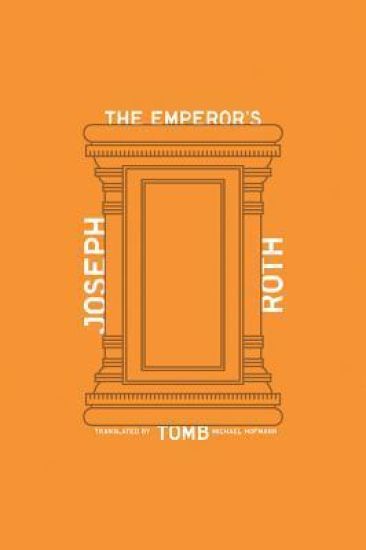
The Emperor's Tomb - the last novel Joseph Roth wrote - is a haunting elegy to the vanished world of the Austro-Hungarian Empire, and a magically evocative paean to the passing of time and the loss of hope. The Emperor's Tomb runs from 1913 to 1938, from the eve of one world war to the eve of the next, from disaster to disaster. Striped with beauty and written in short propulsive chapters - full of upheavals, reversals and abrupt twists of plot - the novel powerfully sketches a time of change and loss. Prophetic and regretful, intuitive and exact, Roth tells of one man's foppish, sleepwalking, spoiled youth and then his struggle to come to terms with the uncongenial society of post-First World War Vienna, financial ruin, and the first intimations of Nazi barbarities.