Kirjojen hintavertailu – 12 903 725 kirjaa ja 27 kauppaa
Kirjailija
Joseph Wolfe
Kirjat ja teokset yhdessä paikassa: 3 kirjaa, julkaisuja vuosilta 1997–2024, suosituimpiin kuuluu Business Simulations, Games, and Experiential Learning in International Business Education. Vertaile teosten hintoja ja tarkista saatavuus suomalaisista kirjakaupoista.
Magic requires sacrifice. Sell your soul for a spell and become an outcast. Who doesn't love a chance to reinvent themselves? But where to begin? Donovan's new beginning involves fur hunting and trading in the wealthy merchant-run city of Nightingale. But like most soulburned, his heart longs for something he cannot remember. The opportunity to fill that longing comes in a way most unexpected-and unwelcome. A bloodthirsty kingdom has invaded the farms and forests near the city, and Donovan signs up to fight with his rivals: the Nightingale Guard. When the attacks are revealed as not only raids, but a full scale invasion, Donovan is sent on a suicide mission to seek help from one of the most unlikely of places: the unpredictable, savage fey. If he does not succeed, Donovan will lose the city and the woman he loves-and prove once and for all that there is no future for those who sacrificed their souls for magic.
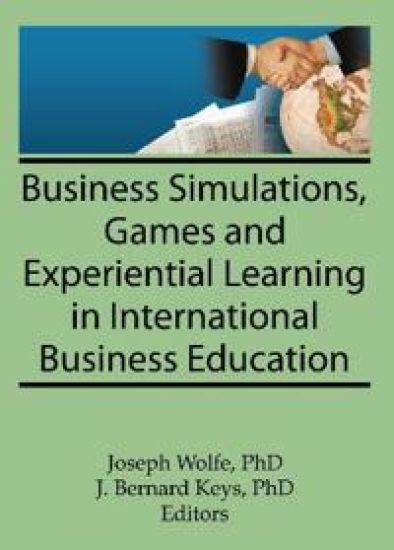
If you find traditional lectures and course material ineffective for teaching students how to develop a sensitivity to cultural differences and apply “home grown” technologies to foreign situations, Business Simulations, Games and Experiential Learning in International Business Education is the guide to help you remedy this predicament! Helpful and easy-to-use, this text teaches you how to use computer-based games and experiential learning exercises to teach international business. You’ll learn how to place students in realistic situations where they can experiment with new behaviors and receive immediate, constructive feedback and then take what they have learned beyond the classroom. Business Simulations, Games and Experiential Learning in International Business Education helps you introduce students to global competition and business cultures as you explore important ethical, political, and social issues with them. You can better prepare your students for the challenges of international business if you pay particular attention to the book’s discussions of:different levels of power-sharing alternatives to traditional international business course materials and methods changing the norms and behaviors of organizations and institutions the role gender plays in effective gaming environments simulating a European Works Council within a classroom environment promoting decisionmaking and flexibility in management style understanding business rules and regulations of different countriesAcademics teaching and researching in international business will find Business Simulations, Games and Experiential Learning in International Business Education an immensely useful tool as you struggle with the challenges of readying students for the international work environment. As you know, it is not enough that students be schooled in the latest developments and technologies. Use this book’s games and learning techniques to emphasize to your students that international businessmen and women must not only know their field, but also be respectful of others’cultures and values, be linguistically flexible, and be aware of foreign business rules and regulations.
If you find traditional lectures and course material ineffective for teaching students how to develop a sensitivity to cultural differences and apply “home grown” technologies to foreign situations, Business Simulations, Games and Experiential Learning in International Business Education is the guide to help you remedy this predicament! Helpful and easy-to-use, this text teaches you how to use computer-based games and experiential learning exercises to teach international business. You’ll learn how to place students in realistic situations where they can experiment with new behaviors and receive immediate, constructive feedback and then take what they have learned beyond the classroom. Business Simulations, Games and Experiential Learning in International Business Education helps you introduce students to global competition and business cultures as you explore important ethical, political, and social issues with them. You can better prepare your students for the challenges of international business if you pay particular attention to the book’s discussions of:different levels of power-sharing alternatives to traditional international business course materials and methods changing the norms and behaviors of organizations and institutions the role gender plays in effective gaming environments simulating a European Works Council within a classroom environment promoting decisionmaking and flexibility in management style understanding business rules and regulations of different countriesAcademics teaching and researching in international business will find Business Simulations, Games and Experiential Learning in International Business Education an immensely useful tool as you struggle with the challenges of readying students for the international work environment. As you know, it is not enough that students be schooled in the latest developments and technologies. Use this book’s games and learning techniques to emphasize to your students that international businessmen and women must not only know their field, but also be respectful of others’cultures and values, be linguistically flexible, and be aware of foreign business rules and regulations.