Kirjojen hintavertailu – 12 903 725 kirjaa ja 27 kauppaa

Kirjailija

Joshua P. Hochschild

Kirjat ja teokset yhdessä paikassa: 5 kirjaa, julkaisuja vuosilta 2008–2022, suosituimpiin kuuluu The Semantics of Analogy. Vertaile teosten hintoja ja tarkista saatavuus suomalaisista kirjakaupoista.

5 kirjaa

Kirjojen julkaisuvuodet: 2008–2022.

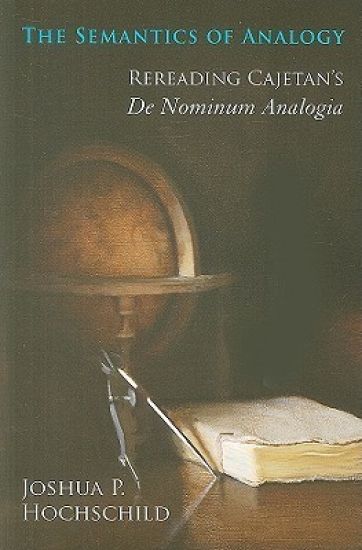
The Semantics of Analogy

The Semantics of Analogy

Joshua P. Hochschild

UNIVERSITY OF NOTRE DAME PRESS
2022
sidottu
The Semantics of Analogy is the first book-length interpretive study in English of Thomas de Vio Cajetan's (1469?-1534) classic treatise on analogy. Written in 1498, De Nominum Analogia (On the Analogy of Names) has long been treated as Cajetan's attempt to systematize Aquinas's theory of analogy. A traditional interpretation regarded it as the official Thomistic treatise on analogy, but current scholarly consensus holds that Cajetan misinterpreted Aquinas and misunderstood the phenomenon of analogy. Both approaches, argues Joshua P. Hochschild, ignore the philosophical and historical context and fail to accurately assess Cajetan's work. In The Semantics of Analogy, Hochschild reinterprets De Nominum Analogia as a significant philosophical treatise in its own right. He addresses some of the most well-known criticisms of Cajetan's analogy theory and explicates the later chapters of De Nominum Analogia, which are usually ignored by commentators. He demonstrates that Cajetan was aware of the limits of semantic analysis, had a sophisticated view of the relationship between semantics and metaphysics, and expressed perceptive insights about concept formation and hermeneutics that are of continuing philosophical relevance.

A Mind at Peace: Reclaiming an Ordered Soul in the Age of Distraction

A Mind at Peace: Reclaiming an Ordered Soul in the Age of Distraction

Christopher Blum; Joshua P. Hochschild

Sophia Institute Press
2017
nidottu
Download a printable Examination of Conscience with special attention to the influence of digital technology HERE. These past two decades, modern technology has brought into being scores of powerful challenges to our interior peace and well-being. We're experiencing a worldwide crisis of attention in which information overwhelms us, corrodes true communion with others, and leaves us anxious, unsettled, bored, isolated, and lonely. These pages provide the time-tested antidote that enables you to regain an ordered and peaceful mind in a technologically advanced world. Drawing on the wisdom of the world's greatest thinkers, including Plato, Aristotle, St. Augustine, and St. Thomas Aquinas, these pages help you identify - and show you how to cultivate - the qualities of character you need to survive in our media-saturated environment. This book offers a calm, measured, yet forthright and effective approach to regaining interior peace. Here you'll find no argument for retreat from the modern world; instead these pages provide you with a practical guide to recovering self-mastery and interior peace through wise choices and ordered activity in the midst of the world's communication chaos. Are you increasingly frustrated and perplexed in this digital age? Do you yearn for a mind that is more focused and a soul able to put down that IPhone and simply rejoice in the good and the true? It's not hard to do. The saints and the wise can show you how; this book makes their counsel available to you.
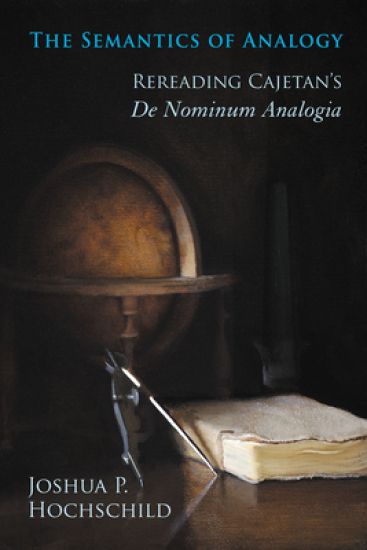
The Semantics of Analogy

The Semantics of Analogy

Joshua P. Hochschild

University of Notre Dame Press
2010
nidottu
The Semantics of Analogy is the first book-length interpretive study in English of Thomas de Vio Cajetan's (1469?-1534) classic treatise on analogy. Written in 1498, De Nominum Analogia (On the Analogy of Names) has long been treated as Cajetan's attempt to systematize Aquinas's theory of analogy. A traditional interpretation regarded it as the official Thomistic treatise on analogy, but current scholarly consensus holds that Cajetan misinterpreted Aquinas and misunderstood the phenomenon of analogy. Both approaches, argues Joshua P. Hochschild, ignore the philosophical and historical context and fail to accurately assess Cajetan's work. In The Semantics of Analogy, Hochschild reinterprets De Nominum Analogia as a significant philosophical treatise in its own right. He addresses some of the most well-known criticisms of Cajetan's analogy theory and explicates the later chapters of De Nominum Analogia, which are usually ignored by commentators. He demonstrates that Cajetan was aware of the limits of semantic analysis, had a sophisticated view of the relationship between semantics and metaphysics, and expressed perceptive insights about concept formation and hermeneutics that are of continuing philosophical relevance.