Kirjojen hintavertailu – 12 903 725 kirjaa ja 27 kauppaa

Kirjailija

Josiah Henson

Kirjat ja teokset yhdessä paikassa: 33 kirjaa, julkaisuja vuosilta 1849–2025, suosituimpiin kuuluu The Life of Josiah Henson, Formerly a Slave, Now an Inhabitant of Canada. Vertaile teosten hintoja ja tarkista saatavuus suomalaisista kirjakaupoista.

33 kirjaa

Kirjojen julkaisuvuodet: 1849–2025.

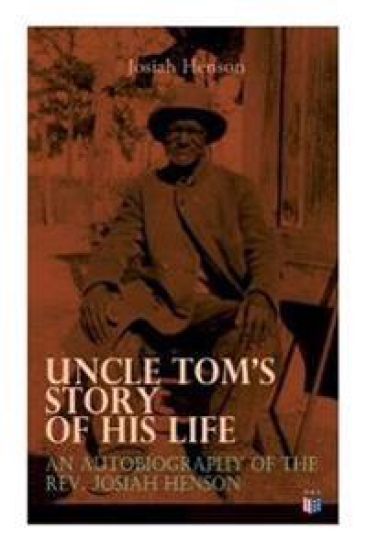
Uncle Tom's Story of His Life: An Autobiography of the Rev. Josiah Henson
Uncle Tom's Story of His Life" is a slave narrative written by Josiah Henson, who would later become famous for being the basis of the title character from Harriet Beecher Stowe's novel Uncle Tom's Cabin. The narrative provides a detailed description of his life as a slave in the south. Josiah Henson (1789-1883) was an author, abolitionist, and minister. Born into slavery, in Port Tobacco, Charles County, Maryland, he escaped to Upper Canada, now Ontario, in 1830, and founded a settlement and laborer's school for other fugitive slaves at Dawn, near Dresden, in Kent County, Upper Canada, of British Canada. Contents: My Birth and Childhood My First Great Trial My Boyhood and Youth My Conversion Maimed for Life A Responsible Journey A New Home Return to Maryland Taken South, Away From Wife and Children A Terrible Temptation Providential Deliverance Escape From Bondage Journey to Canada New Scenes and a New Home Life in Canada Conducting Slaves to Canada Second Journey on the Underground Railroad Home at Dawn Lumbering Operations Visit to England The World's Fair in London Visits to the Ragged Schools Closing Up My London Agency
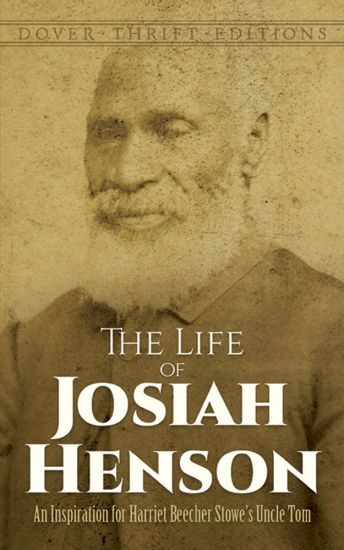
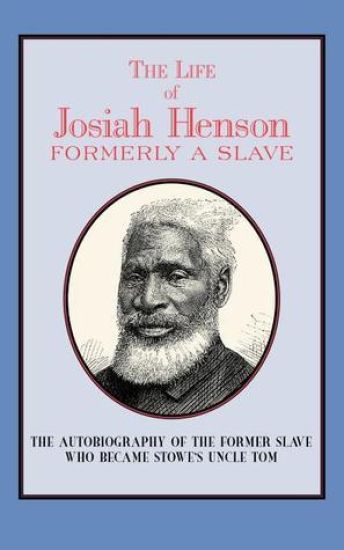
The Life of Josiah Henson

The Life of Josiah Henson

Josiah Henson

Dover Publications Inc.
2016
nidottu
Born into slavery on a Maryland farm, Josiah Henson (1789-1883) worked as a foreman, married, and became a preacher in the Methodist Episcopal Church. Faced with the prospect of separation from his family, Henson fled with his wife and children to Ontario, where he became a leader in the Afro-Canadian community. The Life of Josiah Henson, Formerly a Slave, Now an Inhabitant of Canada, as Narrated by Himself first appeared in 1849. The book's avid readers included Harriet Beecher Stowe, who later acknowledged its influence on her own masterwork, Uncle Tom's Cabin. Henson's narrative recounts the circumstances of his bondage, his conversion to Christianity, and his fruitless attempts to buy his freedom. Risking starvation, exposure, and recapture, the Henson family walked from Kentucky to Ohio. Native Americans assisted the struggling family, as did sympathetic boatmen who ferried them across Lake Erie. Safely established as a tenant farmer and clergyman in a new country, Henson took an active role in organizing a self-sufficient community. His memoirs helped alert his contemporaries to the horrors and heartbreak of slavery, and they offer modern readers an authentic account of one family's triumph over injustice and inhumanity.
Truth Stranger Than Fiction

Truth Stranger Than Fiction

Josiah Henson

Union Square Co.
2008
pokkari
Truth Stranger Than Fiction: Father Henson’s Story of His Own Life stands as a remarkable narrative on its own merits, but even more significant is its relationship to Harriet Beecher Stowe’s Uncle Tom’s Cabin. It is strange that the inspiration for a character whose name is a contemporary curse is based on an escaped slave, one-time soldier, preacher, founder of an independent black settlement, and slave-narrative writer. Unlike Stowe’s derivative character, Henson seized his freedom, made a life for himself in Canada, and freed fellow slaves before publishing his life story and taking the cause of the slaves and fugitives to England and before Queen Victoria herself.
The Life of Josiah Henson

The Life of Josiah Henson

Josiah Henson

Applewood Books
2002
pokkari
The character Uncle Tom, fr om Harriet Beecher Stowe's bestselling novel, "Uncle Tom's Cabin," is based on the life of Josiah Henson (1789-1882). Born in Maryland, Henson escaped and fled to Dresden, Ontario, Canada in 1830. In 1841, a group of abolitionists, including Henson, created a community/school for runaway slaves called the British-American Institute for Fugitive Slaves. On the 200 acre parcel, Henson and his friends built a grist mill and a saw mill. After emancipation, many of the former slaves returned to the United States, though Henson remained in Canada until his death in 1882.