Kirjojen hintavertailu – 12 875 222 kirjaa ja 26 kauppaa

Kirjailija

Juan Tomás Ávila Laurel

Kirjat ja teokset yhdessä paikassa: 3 kirjaa, julkaisuja vuosilta 2014–2017, suosituimpiin kuuluu By Night the Mountain Burns. Vertaile teosten hintoja ja tarkista saatavuus suomalaisista kirjakaupoista.

Nimi esiintyy myös muodoissa: Juan Tomas Avila Laurel

3 kirjaa

Kirjojen julkaisuvuodet: 2014–2017.

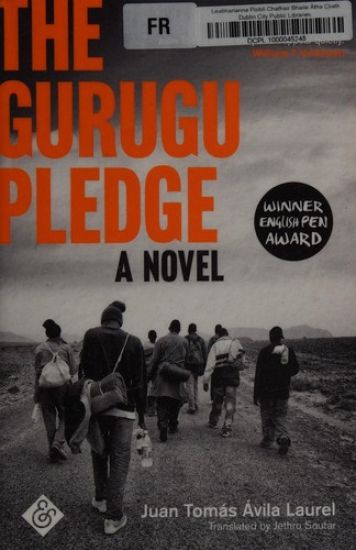
The Gurugu Pledge

The Gurugu Pledge

Juan Tomás Ávila Laurel

And Other Stories
2017
nidottu
On Mount Gurugu, overlooking the Spanish enclave of Melilla on the North African coast, desperate migrants gather before attempting to scale the city's walls and gain asylum on European soil. Inspired by firsthand accounts, Juan Tomas Avila Laurel has written an urgent novel, by turns funny and sad, bringing a distinctly African perspective to a major issue of our time.
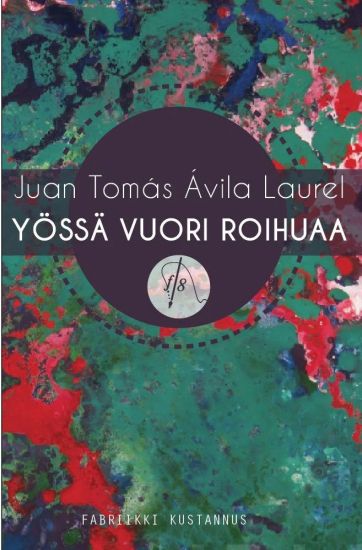
Yössä vuori roihuaa

Yössä vuori roihuaa

Juan Tomás Ávila Laurel

Fabriikki
2017
nidottu
Yössä vuori roihuaa on tarina saaresta, jolta miehet ovat lähteneet laivoilla. Kertoja muistelee lapsuuttaan pienellä Atlantin saarella, epätavallista isoisäänsä ja monia äitejään. Saaren asukkaat noudattavat sinnikkäästi perinteitään, pulaa on niin lamppuöljystä, vaatteista kuin saippuastakin, ja arki on lapsen silmin nähtynä täynnä käsittämättömyyksiä. Kun metsäpalo tuhoaa viljelykset ja koleraepidemia täyttää suuren kylän pienen hautausmaan, ei saarella osata kuin kääntyä taikauskon puoleen. Yössä vuori roihuaa oli vuoden 2015 Independent Foreign Fiction -finalisti, ja se on ensimmäinen suomennettu teos Päiväntasaajan Guineasta. Suullisen tarinankerronnan perinteestä ammentava teos herättää henkiin Annobónin saaren katalat naispaholaiset ja merten nälkäiset kuninkaat.

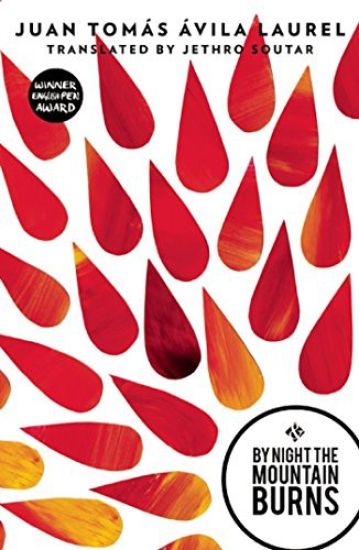
By Night the Mountain Burns

By Night the Mountain Burns

Soutar Jethro; Juan Tomas Avila Laurel

And Other Stories
2014
sidottu
By Night The Mountain Burns recounts the narrator's childhood on a remote island off the West African coast, living with his mysterious grandfather, several mothers and no fathers. We learn of a dark chapter in the island's history: a bush fire destroys the crops, then hundreds perish in a cholera outbreak. Superstition dominates: now the islanders must sacrifice their possessions to the enraged ocean god. What of their lives will they manage to save? Whitmanesque in its lyrical evocation of the island, Avila Laurel's writing builds quietly, through the oral rhythms of traditional storytelling, into gripping drama worthy of an Achebe or a Garcia Marquez.