Kirjailija
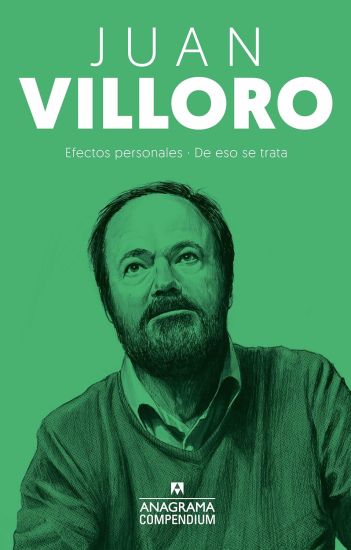
Juan Villoro
Kirjat ja teokset yhdessä paikassa: 21 kirjaa, julkaisuja vuosilta 2006–2026, suosituimpiin kuuluu Vertigo Horizontal, El (Anagrama). Vertaile teosten hintoja ja tarkista saatavuus suomalaisista kirjakaupoista.
21 kirjaa
Kirjojen julkaisuvuodet: 2006–2026.
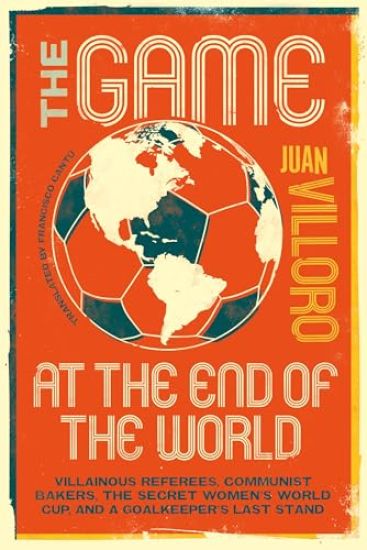
Exuberant, playful, and evergreen, The Game at the End of the World revels in the grass-stained highlights of a sport without borders or boundaries. Soccer (née football) fans will rejoice at this all-new volume of crackling essays from the author of God Is Round. Here, Juan Villoro explores the sport through the elements that make it the world's favorite pastime, from its ancient origins, near-mythic players, exhilarating matches, endemic rivalries, and the unlikely moments in which football has changed history. As a prolific writer and chronicler of World Cup games around the world, Villoro draws on a rich cultural mosaic to inspire readers, players, and fans long after the final whistle blows. With a journalist's ear and a philosopher's outlook, he has produced a collection for curious newcomers and lifelong football buffs alike.
Los Héroes Numerados (Crónica Y Ensayo) / The Numbered Heroes (Chronicles and Essays)
Juan Villoro
Planeta Publishing
2026
nidottu
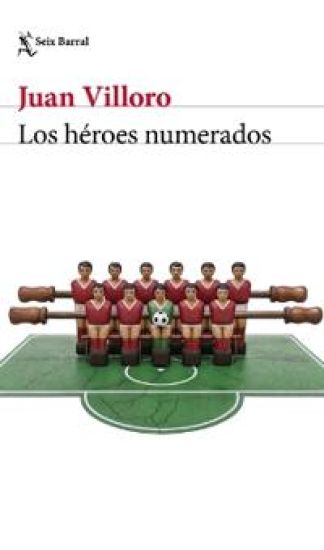
En Los h roes numerados, el futbol se convierte en un juego de las palabras gracias al ingenio de Juan Villoro, un excepcional int rprete y narrador de las realidades sociales, culturales y pol ticas de M xico, Am rica Latina y el mundo , jurado del Premio Gabo 2022. El 10 de Pel , Maradona o Messi; el 7 de Cristiano Ronaldo o lex Aguinaga; el 14 de Johan Cruyff... Los h roes de las canchas llevan n meros en la espalda. Juan Villoro hace un repaso por esas figuras de rango m tico. Cuando los representantes de la tribu saltan al c sped lo que est en juego ya no es un deporte. A partir de ese momento comienza a suceder algo distinto, nico, inclasificable: el misterio que llena los estadios . Villoro aborda las grandes haza as de los mundiales, los casos de sobornos, negocios il citos y violencia deportiva, as como el papel de la tecnolog a y el protagonismo que han asumido las mujeres en el deporte m s popular del mundo. El futbol y la literatura se funden para mirar de frente aquello que m s nos emociona: una exploraci n del juego, pero tambi n de las costumbres p blicas y secretas de la sociedad contempor nea. ENGLISH DESCRIPTION In Los h roes numerados, soccer becomes a game of words thanks to the wit of Juan Villoro, "an exceptional interpreter and narrator of the social, cultural, and political realities of Mexico, Latin America, and the world," juror of the 2022 Gabo Prize. The number 10 of Pel , Maradona, or Messi; the 7 of Cristiano Ronaldo or lex Aguinaga; the 14 of Johan Cruyff... The heroes of the pitch carry numbers on their backs. Juan Villoro revisits these figures of mythical stature. When the tribe's representatives step onto the field, "what is at stake is no longer just a sport. From that moment on, something different, unique, unclassifiable begins to happen: the mystery that fills the stadiums." Villoro explores the great feats of the World Cups, cases of bribery, illicit business, and sports violence, as well as the role of technology and the prominence women have assumed in the world's most popular sport. Soccer and literature merge to confront what moves us most: an exploration of the game, but also of the public and secret customs of contemporary society.
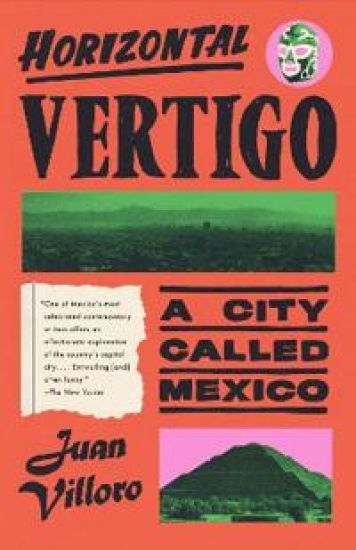
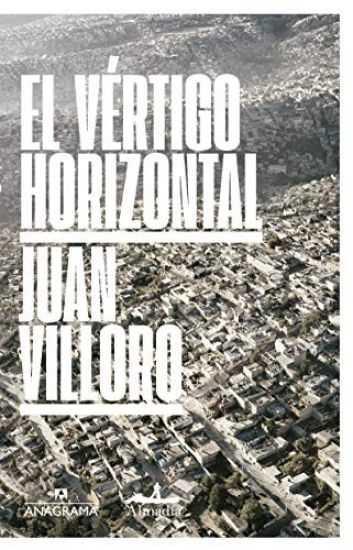
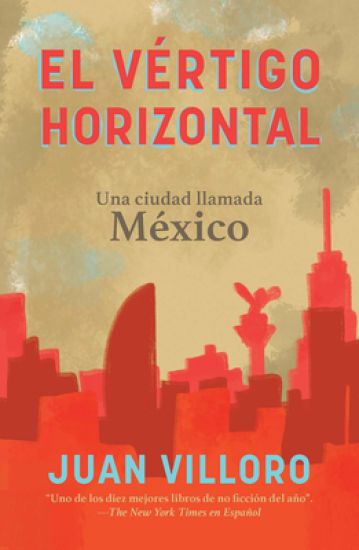
At once intimate and wide-ranging, and as enthralling, surprising, and vivid as the place itself, this is a uniquely eye-opening tour of one of the great metropolises of the world, and its largest Spanish-speaking city. Horizontal Vertigo: The title refers to the fear of ever-impending earthquakes that led Mexicans to build their capital city outward rather than upward. With the perspicacity of a keenly observant flaneur, Juan Villoro wanders through Mexico City seemingly without a plan, describing people, places, and things while brilliantly drawing connections among them. In so doing he reveals, in all its multitudinous glory, the vicissitudes and triumphs of the city 's cultural, political, and social history: from indigenous antiquity to the Aztec period, from the Spanish conquest to Mexico City today--one of the world's leading cultural and financial centers. In this deeply iconoclastic book, Villoro organizes his text around a recurring series of topics: "Living in the City," "City Characters," "Shocks," "Crossings," and "Ceremonies." What he achieves, miraculously, is a stunning, intriguingly coherent meditation on Mexico City's genius loci, its spirit of place.
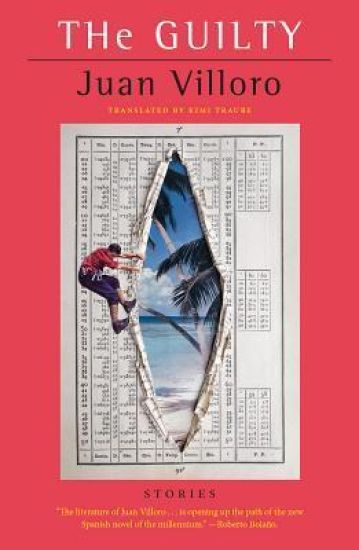
A brilliant, prize-winning collection of stories by Mexico s most important living writer. From the semiotics of pet iguanas to the disillusionment of mariachi singers, Villoro reveals the deep dissatisfactions and absurdities of life in Mexico and its carnivalesque capital. We encounter a border trucker making a movie about illegal migrants, a cuckolded football superstar, and a gluten-free American journalist seeking the authentic Mexican experience. A master of the post-modern narrative, Villoro gives us contemporary Mexico through a complex interplay of culture and character psychology in the most surprising, fresh and humorous ways."
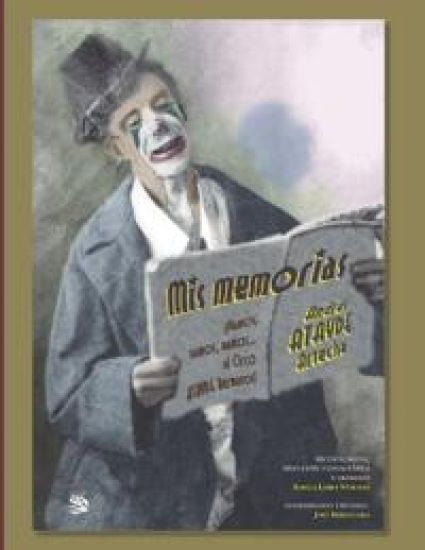
Mis memorias, Andrés Atayde Arteche
Andrés Atayde Guzmán; Juan Villoro
Creatica Editorial
2023
pokkari
El prop sito de escribir Mis memorias es impedir que el olvido cubra los sucesosinteresantes que vivieron nuestros antecesores. Al mismo tiempo, creo un deberde gratitud rendir en esta forma un humilde homenaje a las generaciones pasadasde la familia, a las que mucho debemos. Por otra parte, pretendo que los hechos, sacrificiosy hasta los errores que protagonizaron nuestros padres, y nosotros mismos, sirvan a lasgeneraciones venideras como ejemplos, para seguirlos o rectificarlos. Espero que nuestrosdescendientes acojan estas memorias como la herencia espiritual de quienes nos se alaronel camino, no siempre f cil pero siempre digno, de trabajo constante, esfuerzo permanente, af n de superaci n y, sobre todo, de amor a la familia. La familia Atayde. En estos apuntes introductorios s lo me referir a lo que concierne ala familia, sin hablar del circo, del que me ocupar posteriormente. Hasta donde mi memorialogr retener las narraciones de mi padre y de mis t os, s que mi bisabuelo era DiegoAtayde. De su matrimonio con mi bisabuela -cuyo nombre no recuerdo- naci FranciscoAtayde, mi abuelo. Ignoro si hubo m s hermanos. Francisco Atayde se cas con PatriciaGu zar -desconozco el segundo apellido de mis abuelos. Ellos fueron el tronco de la actualfamilia Atayde. Andr s Atayde Arteche
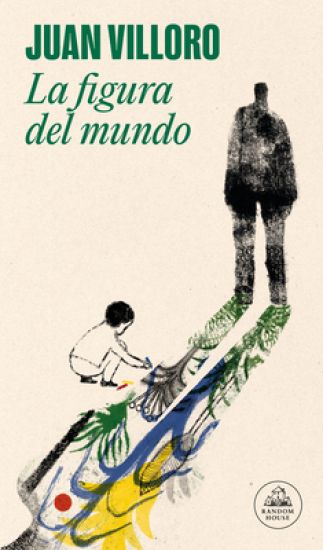
« Hasta d nde podemos recuperar una memoria ajena? Es posible entender lo que un padre ha sido sin nosotros? Ser hijo significa descender, alterar el tiempo, crear un desarreglo, un desajuste que se subsana con pedagog a, a veces con afecto o transmisi n de conocimientos. Juan Villoro relata en La figura del mundo, el orden secreto de las cosas, algunos pasajes memoriosos en torno a su padre, el pensador mexicano-catal n, Luis Villoro. Sin el af n de hacer una biograf a en estricto sentido, Juan evoca aqu la vida singular de quien fuera fil sofo, luchador social, zapatista y autor de una obra fundamental. En este libro hace una aproximaci n a una figura a la vez ntima y p blica, adentr ndose en las complejidades que toda vida tiene, narrando con maestr a instantes que se desdoblan para entender el ubicuo presente. Recupera as , pues, la esencia de un padre quien estuvo presente en la vida familiar de un modo intangible, un padre que debe ser indagado por un hijo que intuye sus afectos y renueva, as , el pasado. Escrito con gran sensibilidad y agudeza, este libro condensa el asombro y la emotividad para quien la escritura se convirti en «una permanente carta al padre ENGLISH DESCRIPTION To what extent can we recover a foreign memory? Is it possible to understand what a father has been without us? Being a son means to descend, to alter the time, to create a disruption, being a mismatch that is fixed with pedagogy, sometimes with affection or with the transmission of knowledge. Juan Villoro recounts in The Figure of The World, the secret order of things, and some memorable passages about his father, the Mexican-Catalan thinker, Luis Villoro. Without the desire to make a biography in the strict sense, Juan evokes the unique life of a former philosopher, social fighter, Zapatista, and author of a fundamental work in his view. With this book, Villoro offers an approach to a figure that is both intimate and public, delving into the complexities that all lives have, and masterfully narrating moments that unfold to understand the ubiquity of the present. Thus, he recovers here the essence of a father who was present in his family life in an intangible way. This is a father who must be investigated by a son who senses his affections and therefore tries to renew the past. Written with great sensitivity and sharpness, this book condenses the astonishment and emotion of an author who feels writing is "a never-ending letter to the father".
Con mirada atenta y pulso firme, Juan Villoro se desdobla en periodista, transe nte, comprador de plumas, adulto nost lgico, padre responsable, brigadista de emergencia, y nos ofrece un testimonio de las m ltiples experiencias que la capital mexicana depara a todos y cada uno de sus agremiados. Convencido de que quiz la Ciudad de M xico no sea el lugar m s aconsejable para vivir, pero tambi n de que es tan intrincada y apasionante que resulta imposible abandonarla, Villoro propone este libro escrito desde la devoci n del urbanita recalcitrante y maravillado que se despliega como un rompecabezas infinito: los atajos viales, el cine de luchadores, los h roes nacionales, el comercio tepite o, la tramitolog a gubernamental, el enigma de las vulcanizadoras, las incontables multitudes, la ingesta de chile, los templos ancestrales. El autor tambi n narra ciertos pasajes autobiogr ficos, como el ltimo paseo con su abuela o el recuerdo de la colonia de casas abandonadas donde creci . Ya sea desde la propia experiencia o a trav s de la escucha y la investigaci n de las realidades ajenas, Juan Villoro compone un gran fresco del caos entra able y eterno que conforma la capital mexicana. El espacio en el que ya nada cabe, pero nada nunca sobra: Chilang polis. ENGLISH DESCRIPTION With a sharp-eyed and attentive look, and with a firm pen, Villoro unfolds into a journalist, a passerby, a street buyer, a nostalgic adult, a responsible father, an EMT, and offers a testimony of the multiple experiences that the city has in stored for each and every one of its residents Convinced that Mexico City may not be the most logical place to live, but also that it is so intricate and exciting that it is impossible to leave, Juan Villoro offers this book written from the devotion and commitment of a stubborn and amazed urbanite and unfolds like an infinite puzzle: the shortcuts within the city, the wrestling fighters, national heroes, the Tepite o open-air market, government red tape, the enigma of the vulcanizers, countless crowds at any given time, the over the top ingestion of chile, the ancestral temples. The author also narrates certain autobiographical events, such as the last stroll he took with his grandmother or his memories of the abandoned houses in the neighborhood where he grew up. Either from his own experience or through listening and investigating other people's realities, Juan Villoro composes a great fresco of the endearing and eternal chaos that makes up the Mexican capital. The space in which nothing else fits, but where nothing is superfluous: Chilangopolis.

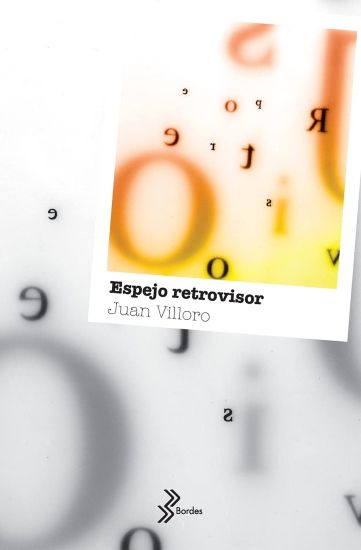
Espejo retrovisor re ne los textos m s representativos de Juan Villoro, escritos a lo largo de treinta a os y seleccionados por l mismo. Este archivo narrativo se divide en dos g neros esenciales: el cuento, donde el humor, la tragedia y la traici n coexisten con naturalidad y trazan senderos nicos; y la cr nica, donde una mirada excepcional revela el sinf n de aristas que conforman la condici n humana y determinan nuestro tiempo: la pol tica, la familia, los viajes, el rock, los misterios de la vida literaria... Adem s, la antolog a incluye cr nicas y cuentos in ditos en libro, que reciben aqu su primer hospedaje. Un mosaico de piezas escogidas, un volumen fundamental tanto para los conocedores como para quienes se acercan por primera vez al trabajo de uno de los escritores contempor neos m s le dos y admirados de Hispanoam rica. Guiado por los favores de la memoria, este libro muestra lo que qued atr s; pero la literatura es una ilusi n de cercan a, donde lo lejano se aproxima de acuerdo con el lema de los espejos retrovisores: Las cosas est n m s cerca de lo que aparentan. JUAN VILLORO Las mejores cr nicas y ficciones seleccionadas por el autor.
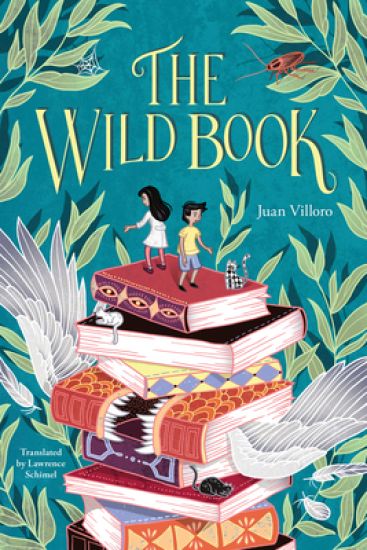
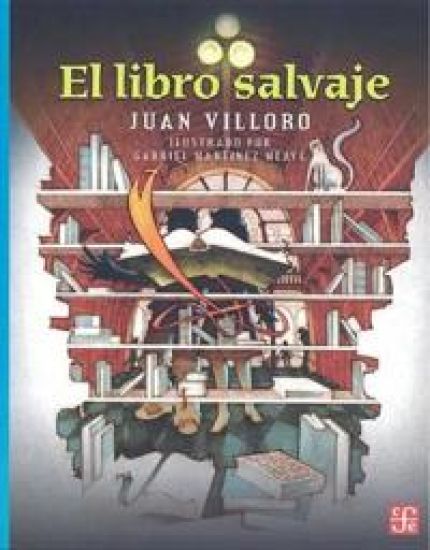
With over one million copies sold in Spanish, Mexican literary legend Juan Villoro's The Wild Book is a fantastical homage to libraries, in which a boy is sent to live with his kooky, book-obsessed uncle in a library where books have supernatural powers and adventure lies behind every cover. Thirteen-year-old Juan's summer is off to a terrible start. First, his parents separate. Then, almost as bad, Juan is sent away to his strange Uncle Tito's house for the entire break Who wants to live with an oddball recluse who has zigzag eyebrows, drinks fifteen cups of smoky tea a day, and lives inside a huge, mysterious library? As Juan adjusts to his new life among teetering, dusty shelves, he notices something odd: the books move on their own He rushes to tell Uncle Tito, who lets his nephew in on a secret: Juan is a Princeps Reader, which means books respond magically to him, and he's the only one who can find the elusive, never-before-read Wild Book. But will Juan and his new friend Catalina get to The Wild Book before the wicked, story-stealing Pirate Book does? An unforgettable adventure story about books, libraries, and the power of reading, The Wild Book is the instant-classic young readers' debut by beloved, prize-winning Mexican author Juan Villoro.
Horizontal Vertigo
Juan Villoro; Alfred MacAdam
Ballantine Books Inc.
2021
sidottu
Halvin toimitettuna 30,00 €
Thirteen-year-old Juan's summer is off to a terrible start. First, his parents separate. Then, almost as bad, Juan is sent away to his strange Uncle Tito's house for the entire holiday! Who wants to live with an oddball recluse who has zigzag eyebrows, drinks fifteen cups of smoky tea a day, and lives inside a huge, mysterious library? As Juan adjusts to his new life among teetering, dusty shelves, he notices something odd: the books move on their own! He rushes to tell Uncle Tito, who lets his nephew in on a secret: Juan is a Princeps Reader, which means books respond magically to him, and he's the only one who can find the elusive, never-before-read Wild Book. An unforgettable adventure story about books, libraries, and the power of reading.
From one of Mexico's foremost authors comes a wondrous adventure story of a boy who goes to live with his kooky, book-obsessed uncle in a library where books have a supernatural power all their own.
The Sorrows of Mexico
Lydia Cacho; Anabel Hernández; Juan Villoro; Diego Enrique Osorno; Sergio González Rodríguez; Marcela Turati; Emiliano Ruiz Parra; Elena Poniatowska
MacLehose Press
2017
pokkari
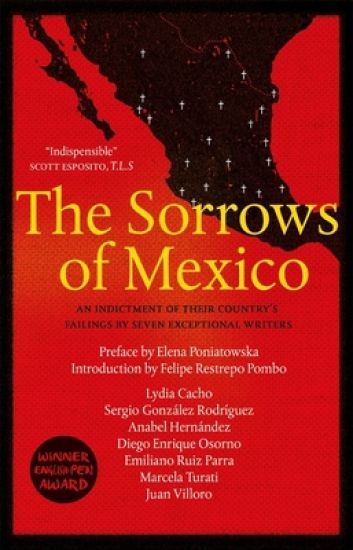
With contributions from seven of Mexico's finest journalists, this is reportage at its bravest and most necessary - it has the power to change the world's view of their country, and by the force of its truth, to start to heal the country's many sorrows. Supported the Arts Council Grant's for the Arts Programme and by PEN PromotesVeering between carnival and apocalypse, Mexico has in the last ten years become the epicentre of the international drug trade. The so-called "war on drugs" has been a brutal and chaotic failure (more than 160,000 lives have been lost). The drug cartels and the forces of law and order are often in collusion, corruption is everywhere. Life is cheap and inconvenient people - the poor, the unlucky, the honest or the inquisitive - can be "disappeared" leaving not a trace behind (in September 2015, more than 26,798 were officially registered as "not located"). Yet people in all walks of life have refused to give up. Diego Enrique Osorno and Juan Villoro tell stories of teenage prostitution and Mexico's street children. Anabel Hernández and Emiliano Ruiz Parra give chilling accounts of the "disappearance" of forty-three students and the murder of a self-educated land lawyer. Sergio González Rodríguez and Marcela Turati dissect the impact of the violence on the victims and those left behind, while Lydia Cacho contributes a journal of what it is like to live every day of your life under threat of death. Reading these accounts we begin to understand the true nature of the meltdown of democracy, obscured by lurid headlines, and the sheer physical and intellectual courage needed to oppose it.
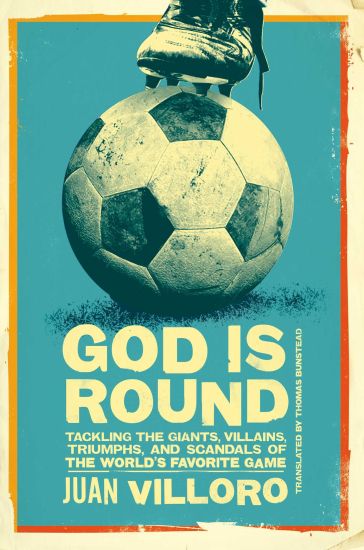
On a planet where FIFA has more members than the United Nations, Juan Villoro's examination of soccer and its 3.5 billion-person fandom has stakes beyond those of such playful questions. Football is more than just a game; it is a catalyst for global unity and even, Villoro suggests, the 'recovery of childhood'. At once serious and fun-loving, Villoro reports from the last World Cup of the 20th century, paints portraits of contemporary football's most prominent stars and teases out the contradictions of the game. A book for football fanatics.
Juan ya tiene planeadas las vacaciones de verano. Sin embargo, su madre ignora sus planes y lo deja en casa de To Tito, un biblifilo empedernido que hace ruido cuando come y que le teme a los osos de peluche. Ah, escondido entre los miles de ejemplares de la biblioteca de su to, Juan tendr que encontrar el Libro Salvaje, un libro rebelde que se resiste a la lectura y que guarda entre sus pginas un secreto destinado al lector que sea capaz de atraparlo.