Kirjojen hintavertailu – 12 903 725 kirjaa ja 27 kauppaa
Kirjailija
Judith A. Hayn
Kirjat ja teokset yhdessä paikassa: 4 kirjaa, julkaisuja vuosilta 2016–2021, suosituimpiin kuuluu Adolescent Realities. Vertaile teosten hintoja ja tarkista saatavuus suomalaisista kirjakaupoista.
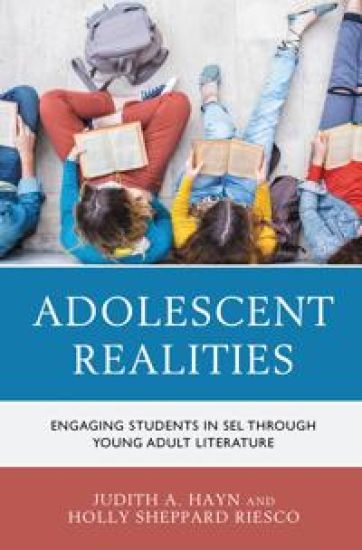
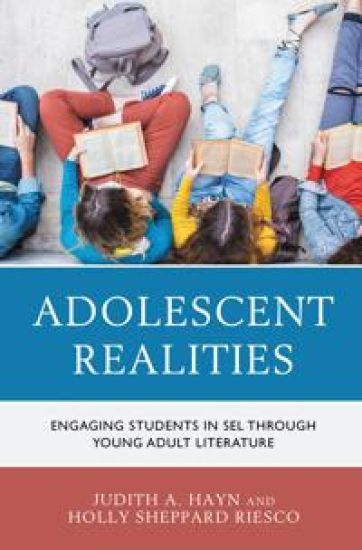
Adolescent Realities: Engaging Students in SEL through Young Adult Literature offers a connection between young adult literatures and social and emotional learning. Students have many SEL needs, and this book focuses on exploring SEL through the experiences of characters in contemporary books published in the last few years. Each chapter offers a specific focus in SEL, a middle school and high school book for teens to read, and a guided plan that can be adapted to fit the needs of educators, counselors, and parents. A great tool for guiding teen book clubs or workshops, Adolescent Realities has the potential to make teens aware of how to apply SEL in their own lives.
Adolescent Realities: Engaging Students in SEL through Young Adult Literature offers a connection between young adult literatures and social and emotional learning. Students have many SEL needs, and this book focuses on exploring SEL through the experiences of characters in contemporary books published in the last few years. Each chapter offers a specific focus in SEL, a middle school and high school book for teens to read, and a guided plan that can be adapted to fit the needs of educators, counselors, and parents. A great tool for guiding teen book clubs or workshops, Adolescent Realities has the potential to make teens aware of how to apply SEL in their own lives.
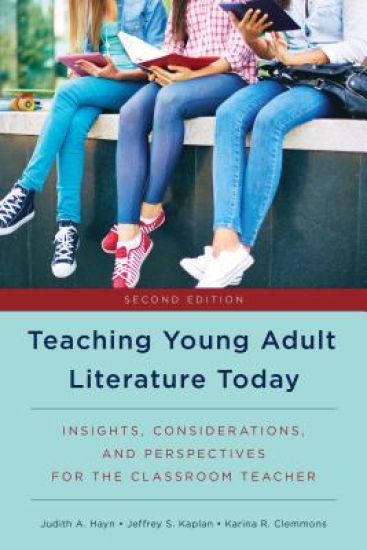
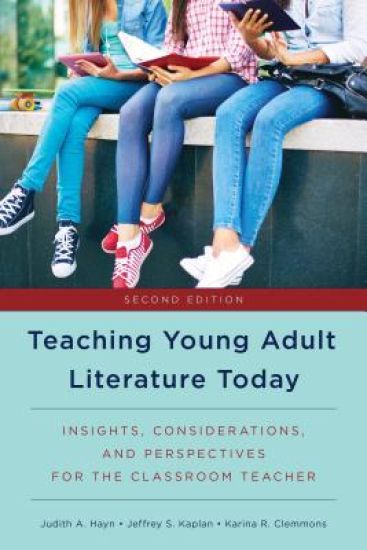
Teaching Young Adult Literature Today introduces the reader to what is current and relevant in the plethora of good books available for adolescents. More importantly, literary experts illustrate how teachers everywhere can help their students become lifelong readers by simply introducing them to great reads—smart, insightful, and engaging books that are specifically written for adolescents. Hayn, Kaplan, and their contributors address a wide range of topics: how to avoid common obstacles to using YAL; selecting quality YAL for classrooms while balancing these with curriculum requirements; engaging disenfranchised readers; pairing YAL with technology as an innovative way to teach curriculum standards across all content areas. Contributors also discuss more theoretical subjects, such as the absence of lesbian, gay, bisexual, transgender and questioning (LGBTQ) young adult literature in secondary classrooms; and contemporary YAL that responds to the changing expectations of digital generation readers who want to blur the boundaries between page and screen. This book has been updated to reflect the wealth of new YA literature that has been published since the first edition appeared in March 2012, and to reflect new trends in technology that influences how adolescents are reading and responding to literature.
Teaching Young Adult Literature Today introduces the reader to what is current and relevant in the plethora of good books available for adolescents. More importantly, literary experts illustrate how teachers everywhere can help their students become lifelong readers by simply introducing them to great reads—smart, insightful, and engaging books that are specifically written for adolescents. Hayn, Kaplan, and their contributors address a wide range of topics: how to avoid common obstacles to using YAL; selecting quality YAL for classrooms while balancing these with curriculum requirements; engaging disenfranchised readers; pairing YAL with technology as an innovative way to teach curriculum standards across all content areas. Contributors also discuss more theoretical subjects, such as the absence of lesbian, gay, bisexual, transgender and questioning (LGBTQ) young adult literature in secondary classrooms; and contemporary YAL that responds to the changing expectations of digital generation readers who want to blur the boundaries between page and screen. This book has been updated to reflect the wealth of new YA literature that has been published since the first edition appeared in March 2012, and to reflect new trends in technology that influences how adolescents are reading and responding to literature.