Kirjojen hintavertailu – 12 903 725 kirjaa ja 27 kauppaa

Kirjailija

Judith Pollmann

Kirjat ja teokset yhdessä paikassa: 4 kirjaa, julkaisuja vuosilta 2011–2021, suosituimpiin kuuluu Memory before Modernity. Vertaile teosten hintoja ja tarkista saatavuus suomalaisista kirjakaupoista.

4 kirjaa

Kirjojen julkaisuvuodet: 2011–2021.

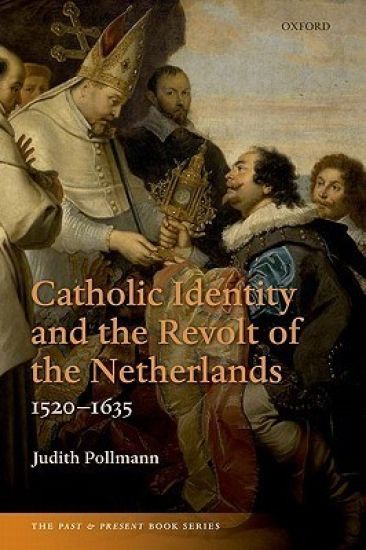
Catholic Identity and the Revolt of the Netherlands, 1520-1635
The Revolt that ripped apart the sixteenth-century Netherlands began as a rebellion against Habsburg authority but it eventually became a war of religion that resulted in the formation of two new states. Although the Southern Netherlands ultimately witnessed the triumph of the militant Catholicism of the Baroque, Catholics throughout the Low Countries found that the Revolt had changed their lives forever. Mining the unusually rich diaries, memoirs, and poems written by Netherlandish Catholics, Judith Pollmann explores how Catholic believers experienced religious and political turmoil in the generations between Erasmus and Rubens. She investigates the initial passivity of Catholics in the face of Calvinist aggression, and asks why they actively supported a Catholic revival after 1585. By listening to the voices of individual Catholics, lay and clerical, Judith Pollmann offers a new perspective both on the Revolt of the Netherlands and on the formation of early modern Catholic identity. Exploring what it took to turn traditional Christians into the agents of their own Counter-Reformation, she sees the dynamic relationship between priests and people as a catalyst for religious change in the sixteenth and seventeenth centuries.
Memory in Early Modern Europe, 1500-1800

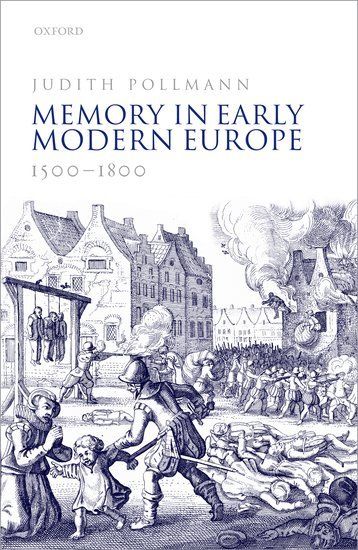
Memory in Early Modern Europe, 1500-1800

Judith Pollmann

Oxford University Press
2017
sidottu
For early modern Europeans, the past was a measure of most things, good and bad. For that reason it was also hotly contested, manipulated, and far too important to be left to historians alone. Memory in Early Modern Europe offers a lively and accessible introduction to the many ways in which Europeans engaged with the past and 'practised' memory in the three centuries between 1500 and 1800. From childhood memories and local customs to war traumas and peacekeeping , it analyses how Europeans tried to control, mobilize and reconfigure memories of the past. Challenging the long-standing view that memory cultures transformed around 1800, it argues for the continued relevance of early modern memory practices in modern societies.
Memory before Modernity

Memory before Modernity

Erika Kuijpers; Judith Pollmann; Johannes Müller; Jasper Steen

BRILL
2013
sidottu
Many students of memory assume that the practice of memory changed dramatically around 1800; this volume shows that there was much continuity as well as change. Premodern ways of negotiating memories of pain and loss, for instance, were indeed quite different to those in the modern West. Yet by examining memory practices and drawing on evidence from early modern England, France, Germany, Ireland, Hungary, the Low Countries and Ukraine, the case studies in this volume highlight the extent to which early modern memory was already a multimedia affair, with many political uses, and affecting stakeholders at all levels of society. Contributors include: Andreas Bähr, Philip Benedict, Susan Broomhall, Sarah Covington, Brecht Deseure, Sean Dunwoody, Marianne Eekhout, Gabriela Erdélyi, Dagmar Freist, Katharine Hodgkin, Jasmin Kilburn-Toppin, Erika Kuijpers, Johannes Müller, Ulrich Niggemann, Alexandr Osipian, Judith Pollmann, Benjamin Schmidt, Jasper van der Steen
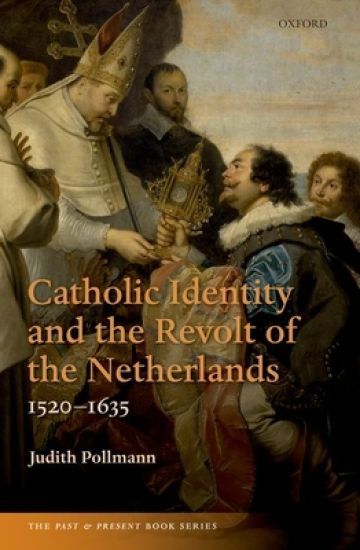
Catholic Identity and the Revolt of the Netherlands, 1520-1635
The Revolt that ripped apart the sixteenth-century Netherlands began as a rebellion against Habsburg authority but it eventually became a war of religion that resulted in the formation of two new states. Although the Southern Netherlands ultimately witnessed the triumph of the militant Catholicism of the Baroque, Catholics throughout the Low Countries found that the Revolt had changed their lives forever. Mining the unusually rich diaries, memoirs, and poems written by Netherlandish Catholics, Judith Pollmann explores how Catholic believers experienced religious and political turmoil in the generations between Erasmus and Rubens. She investigates the initial passivity of Catholics in the face of Calvinist aggression, and asks why they actively supported a Catholic revival after 1585. By listening to the voices of individual Catholics, lay and clerical, Judith Pollmann offers a new perspective both on the Revolt of the Netherlands and on the formation of early modern Catholic identity. Exploring what it took to turn traditional Christians into the agents of their own Counter-Reformation, she sees the dynamic relationship between priests and people as a catalyst for religious change in the sixteenth and seventeenth centuries.